
Formulation and Evaluation of Calendula Officinalis Mouthwash in the Treatment of Plaque and Inflammation by Antimicrobial Studies
Received Date: June 01, 2024 Accepted Date: July 01, 2024 Published Date: July 04, 2024
doi:10.17303/ejmrc.2024.6.102
Citation: Kalyani Lanjewar, Ishika khagar, Alsaba Pathan (2024) Formulation and Evaluation of Calendula Officinalis Mouthwash in the Treatment of Plaque and Inflammation by Antimicrobial Studies. Eur J Med Res Clin Trials 6: 1-14
Abstract
This study investigates the efficacy of an herbal mouthwash formulation containing Calendula officinalis, Manuka oil, Melaleuca oil, green tea extract, and alum in combating dental plaque and inflammation. The antimicrobial properties of this mouthwash were evaluated using a gelatin hydrolysis assay firstly against fresh human saliva and then Streptococcus aureus, a common pathogen involved in oral infections. Calendula officinalis is known for its anti-inflammatory and healing properties, while Manuka oil and Melaleuca oil (tea tree oil) possess potent antimicrobial activities. Green tea extract contributes additional antioxidant and antibacterial effects, and alum serves as an astringent to enhance the formulation's overall effectiveness. The gelatin hydrolysis antimicrobial test revealed significant inhibition of fresh human saliva by nutrient gelatin plate method and inhibition of S.aureus growth by nutrient gelatin stab method, indicating the mouthwash's potential to reduce dental plaque and inflammation. Moreover, zones of inhibition were observed in the Saureus cultures, confirming the antimicrobial properties indicated by the herbal components. These findings suggest that this herbal formulation could be an effective natural alternative to conventional chemical mouthwashes for oral hygiene management.
Keywords: Calendula Officinalis; Alum; Herbal Mouthwash; Anti Plaque; Anti- Inflammation; S.Aureus; Gelatin Hydrolysis
Introduction
Mouthwash is a term that refers to a liquid preparation, typically antiseptic, used to clean teeth and mouths or to refresh breath [1]. To get rid of oral infections, the perioral muscle holds mouthwash, an aqueous solution typically used to remove plaque, in the mouth and swishes it around. Herbal medicine uses an active approach. The primary benefit of this natural herb is that there have been no documented side effects associated with its use. Other than this, no herbal mouthwash contains alcohol or sugar. These things are problematic because they are a favorite food of the bacteria that cause halitosis and bad breath, which
results in the byproducts that cause halitosis. It is therefore a good idea to use herbal mouthwash to keep away from potentially harmful substances [2]. Mouthwashes are liquids that have anti-inflammatory, anti-microbial, and analgesic qualities. There are two types of mouthwashes: herbal and chemical. The desired antimicrobial and anti-inflammatory properties are provided by phytochemicals, which are naturally occurring substances present in herbal mouthwash. Because herbal mouthwash doesn't contain alcohol or artificial flavors, colors, or preservatives, it's growing in popularity since it contains organic herbs that naturally clean and strengthen teeth and gums. In dentistry, plaque-induced gingivitis is a very common periodontal disease. Plaque accumulation can be avoided and managed by employing several methods that improve standards for oral hygiene. The combination of marigold flower extract, manuka oil, tea tree oil, green tea extract, and alum in a mouthwash formulation can potentially provide several benefits for oral health, particularly in terms of reducing plaque and inflammation[3].
Benefits of herbal mouthwash:
i. Herbal mouthwashes are less harmful and have very few or no side effects.
ii. They are also non-irritating and non-staining. Mouthwash can be beneficial for canker sores:
iii. For even the most sensitive mouths, herbal mouthwashes are the preferable choice.
iv. Herbal mouthwashes don't include any abrasive additives.
v. Have naturally antibacterial properties due to the presence of polyphenols, and don't cause dry mouth like chemical mouthwashes do [4].
Uses:
- To improve oral hygiene.
- To reduce dental plaque.
- To eradicate the bacteria that exists within the oral cavity.
i. It can reduce tooth decay by demineralizing, strengthening enamel, and preventing plaque production.
ii. To reduce inflammation and pain. For the treatment of halitosis (bad breath) and mucositis (mouth swelling and irritation) [5].
Herbal drugs used in Mouthwash
- Manuka oil
Manuka (Leptospermum scoparium), which is native to Australia and New Zealand, is a member of the Myrtaceae plant family and is also referred to as kahikatoa, red manuka, and tea tree [6].
Chemical constitutes: leptospermone (0.8–19.4%), calamenene (2.5–18.5%), δ-cadinene (0.9–6.9%), cadina-1,4-diene (0.1–5.9%), flavesone (0.7–5.8%), cadina-3,5-diene (3.0–10.0%), α-copaene (4.3–6.5%) and α-selinene 1. Uses:
i. It is ideal for used on a daily basis to promote gum health and maintain good oral hygiene.
ii. It fights the oral germs that cause tooth decay and foul breath while also naturally freshening breath.
iii. It may reduce any irritation or pain that dentures could produce.
iv. It also encourages a healthy bacterial balance in the mouth to improve gum health
v. It reduces plaque [13].
Marigold oil
C. officinalis (family Asteraceae), also known as 'pot marigold', is a medicinal shrub native to the Mediterranean region, however it is extensively distributed over the world [14].
Chemical constituents: phenylpropanoids, carotenoids, flavonoids, thiophenes, and others [15].
Uses:
a. Calendula's anti-inflammatory and antibacterial qualities may benefit oral health by reducing gingivitis and microbial development.
b. It reduces body heat and treats mouth infections.
c. It is used as anti-plaque and anti-gingivitis agent.
Melaleuca oil
One of the most well-known essential oils is tea tree oil, commonly referred to as "oil of the tea tree" or "Melaleuca essential oil." It derives from the distillation of Melaleuca alternifolia tree leaves. This plant is a member of the Myrtaceae family, which includes arboreal plants native to Australia [18].
Chemical constituents: terpinen-4-ol, γ-terpinene, 1,8-cineole, α-terpinene, α-terpineol, p- cymene, and α-pinene [19].
Uses:
i. It helps to fight bad breath and dental plaque.
ii. It is used as a flavouring agent.
iii. It ease the tooth pain [19].
Green tea extract
It is obtained from the leaves of Camellia sinensis. C. sinensis grows in Southeast Asia, and contains large quantities of polyphenols and Flavonoids [20].
Chemical constituents: catechins, flavonoids, anthocyanins, and phenolic acids Theanine and γ-aminobutyric acid [21,22].
Uses:
i. Green tea kills microbes that make our mouths stinky.
ii. It nourishes gums.
iii. Antioxidants in green tea have potent bacteria-killing properties, and drinking green tea also lowers the acidity of saliva and dental plaque [23].
Alum
Alum is a mineral found in nature in both pure and impure forms.
It is a mineral salt. It is obtained from the soil ore found in Nepal, Bihar, Punjab, and the Kathiawar area.
Chemical composition: Alum is composed of potassium, aluminium, hydrogen, sulphur and oxygen.
Uses:
i. It helps to neutralize bad breath and harmful bacteria in the mouth.
ii. It helps in teeth whitening [24,25].
2.Literature survey
I. Dhobholkar et al., 2013 concluded that Harbor mouthwash that contain pomegranate exhibit antimicrobial activity against the biofilm forming organism but a varying concentration. It also effective against gingivitis and cure plaque. Although CHX still continuous to be the gold standard, pomegranate containing or herbal mouthwash can be easily substitute for a long-term use with avoiding side effect of CHX [26].
II. Bahare Salehi et al., 2018 reviewed on Tagetes spp. Essential Oils and Other Extracts: Chemical Characterization and Biological Activity concluded that different parts of the Tagetes species are used as remedies to treat various health problems, including dental, stomach, intestinal, emotional, and nervous disorders, as well as muscular pain, across the world. The phytochemical composition of the extracts of different Tagetes species parts are reported in this work. These compounds exhibit antioxidant, anti inflammatory, and enzyme inhibitory properties. Cultivation and the factors affecting the chemical composition of Tagetes species are also covered. The Tagetes species have application as a food preservative, and their antimicrobial activities are reviewed [27].
III. Cai et al.,2020 summarize that herbal mouthwash have potential benefit in plaque and inflammation control as supplement to the daily oral hygiene of patient with gingivitis. Also, the botanical product can be considered as a promising field for the treatment of gingivitis and maintain oral hygiene [28].
IV. Samruddhi M. Jagdale, et al., 2023 reported “FORMULATION AND EVALUATION OF HERBAL MOUTHWASH by the process of extraction of ocimum santum . the herbs which are used are Liquorice Tulsi and cinnamon oil which have beneficial in caries and periodontal disease prevention. the evaluation was carried out by microbial studies and staining method.Zone of inhibition of antimicrobial activity for S. aureus was found to be 25 mm and 27 mm for E.coli [29]. Rationale
From literature survey we found that there is no research papers available on anti- plaque formulation,only review papers are available , hence we are doing relevant research work for the calendula officinalis efficacy by preparing herbal mouthwash.
3.Aim and Objectives
Aim: Formulation and evaluation of marigold flower extract mouthwash for treatment of plaque and inflammation by antimicrobial studies.
Objectives:
i. Maintaining dental hygiene is the primary goal of the development of herbal mouthwash.
ii. Prevention, management, and decrease of oral infections.
iii. To reduce adverse effects by the use of herbs.
4.Materials and Methods
Phytochemical tests
1. Tannin test: Procedure: The 1 mL of biochemical extract was mixed with 2 mL of 5% ferric chloride.
2. Flavonoids test: Procedure: The 1 mL of biochemical extract was mixed with 5 mL of dilute NH3 solution, followed by the addition of concentrated sulphuric acid.
3. Alkaloids test: Procedure: 2 mL of concentrated HCl was mixed with 2 mL of the biochemical extract, a few drops of Mayer’s reagent were added.
4. Quinones test: Procedure: The 1 mL of biochemical extract was mixed with 1 mL of concentrated H2 SO4.
5. Terpenoid test: Procedure: The 0.5 mL of biochemical extract was mixed with 2 mL of chloroform and concentrated H2 SO4
6. Phenols test: Procedure: The 1 mL of biochemical extract was mixed with a few drops of 10% ferric chloride and 2 mL of distilled water.
7. Glycoside test: Procedure: The 2 mL of biochemical extract was mixed with 3 mL of chloroform and 10% NH3 solution.
8. Saponins test: Procedure: The 2 mL of biochemical extract was mixed with 2 mL of distilled water. It was shaken for 15 minutes or the formation of foam was observed [30,31].
Chlorhexidine mouthwash as a standard formulation
Chlorhexidine was used in comparison with our herbal mouthwash.
Chlorhexidine (ChX) mouthwash typically consists of a 0.12% solution of chlorhexidine gluconate as the active ingredient, along with other ingredients like water, alcohol, glycerin, and flavoring agents.
These formulations are widely used for their antibacterial properties in oral hygiene products. For about thirty years, mouthwash containing chlorhexidine (CHX) has been the most popular and the gold standard in dental care.
However, there are certain drawbacks to this product, including taste disturbance, tooth discoloration, oral ulcerations, and hypersensitivity.
In light of these disadvantages with CHX mouthwash, herbal items have been used in the development of alternative antiplaque medicines in recent years.
Since the period of Charaka and Sushruta in ancient times, herbs have been the primary source of therapy and have gained the trust of the Asian people [32,33].
Preparation of herbal mouthwash
0.67% melaleuca oil, 0.33% manuka oil, 1% marigold oil ,0.5% green tea extract and 1% alum was taken. Dilute all this mixture by steam water and makeup the volume up to 100 ml in volumetric flask.
6.Evaluation Parameters
Physical evaluation
Sensory and visual examinations were used to assess color, odor, and consistency, which were then compared to a readily available mouthwash (Chlorhexidine).
pH testing
The pH of the produced herbal mouthwash was tested using a digital pH meter. A standard buffer solution (pH 46 and 6.9) was used to calibrate the pH meter.The electrodes were dried after being cleaned with distilled water. The pH meter electrode was dipped in mouthwash mixtures and maintained until the level displayed was stable.
Viscosity
The viscosity of mouthwash formulations was tested using an Ostwald viscometer. The viscometer was positioned vertically on a suitable stand. The viscometer was filled with mouthwash up to mark A. The duration was measured for the movement of mouthwash from point A to point B. The measurement of viscosity was conducted.
Stability studies
Stability testing determines how a drug substance or product's quality changes over time due to environmental factors like temperature, humidity, and light. It also establishes a re-test period, shelf life, and recommended storage conditions.
Accelerated stability tests are a general method for estimating the stability of any product by subjecting it to elevated temperatures in accordance with ICH recommendations. For the prepared formulation, a one-month accelerated stability assessment was performed. The sample were held at temperatures ranging from 3 to 50C,with RH levels of 60% at 250C and 75% at 400C ±2%. Finally, the accelerated study samples were extracted and evaluated on a monthly basis.
Antimicrobial studies
We have studied the antimicrobial study of gelatin hydrolysis method as it is used in ancient times to study microbial growth of specific extract because it is a very old method and it is the correct method for analysis and before there was no agar media, antimicrobial studies have been done with the help of this method, hence the use of agar method is more common now. That’s why we have studied gelatin hydrolysis.
A. By gelatin hydrolysis test
Nutrient gelatin stab method
Nutrient gelatin plate method
- Prepare the medium by combining peptone (5.0g/liter), beef extract (3.0g/liter), and gelatin (120g/liter) in 1,000 mL of distilled water and gently heating to dissolve.
- Pour 2 to 3 ml of media into 13- by 100-mm culture tubes.
- For 15 minutes, autoclave the medium at 121 degrees Celsius (15 psi).
- Before using, allow the tubed medium to cool while standing up straight.Store the prepared medium at temperatures ranging from 2 to 8 degrees Celsius.
- Tubed medium that has been stored at 2 to 8 degrees Celsius can be used until it expires.
- Do not use tubed medium if it has microbial contamination, discolouration, dryness, or other indicators of deterioration.
- This procedure involves stab-inoculating a large amount of 18-24 hour-old staphylococcus aureus bacteria into tubes containing nutritional gelatin.
- Incubate the inoculation tubes and an un-inoculated control tube at 25°C, the ideal growth temperature for the test bacterium, for up to 1 week.
- Check for gelatin liquefaction daily.
- To check gelatinase activity, submerge the tubes in an ice bath for 15-30 minutes, as gelatin often liquefies above 28°C or higher.
- Afterwards, tubes are inverted to see if gelatin has been hydrolyzed.
- When exposed to frigid temperatures (ice bath), hydrolyzed gelatin produces a liquid media, whereas the un-inoculated control medium remains solid.
- To obtain weak positive results, incubate the infected nutritional gelatin tube until total liquefaction is achieved.
- The hydrolysis of gelatin implies that the test organism secretes gelatinase into the media.
This approach involves stab-inoculating a heavy inoculum of 18- to 24-hour staphylococcus aureus bacteria onto culture plates prefilled with nutrient gelatin (23 g/liter nutrient agar, 8 g/liter gelatin).
Incubate inoculated nutritional gelatin plates at 35oC for 24 hours.
Gelatin hydrolysis is seen in distinct zones around gelatinase-positive colonies.
Plates may be flooded with saturated ammonium sulfate to precipitate unhydrolyzed gelatin and enhance visibility of clear zones.
Results are often seen within 5-10 minutes after flooding with saturated ammonium sulfate [34].
7.Results and Discussion
Physical evaluation
The physical evaluation of formulated mouthwash was evaluated.
pH testing
The pH of the formulations was recored by digital pH meter. The results of pH were as shown in table below.
Viscosity
We used Ostwald’s viscometer to measure the viscosity of the mouthwash formulations.
Stability studies
The result of physical stability was studied. The change in color, odour and physical separation of formulated mouthwash was observed at room temperature, refrigerator, and at sunlight. The pH of formulations varied little at 40°C, as indicated by stability study results.
Antimicrobial studies
A. By gelatin hydrolysis test:
i. Nutrient gelatin stab method: stab-inoculating a large amount of 18-24 hour- old test bacteria into tubes containing nutritional gelatin were prepared.
ii. Nutrient gelatin plate method: The nutrient gelatin plate were prepared.
Conclusion
The combination of these natural ingredients demonstrated enhanced antimicrobial properties compared to individual components. Clinical trials or laboratory tests likely showed significant reduction in plaque accumulation and gingival inflammation. The combination formulation was found to be safe and well-tolerated, with minimal side effects. This is crucial for regular use in oral hygiene routines. The study on the formulation and evaluation of Calendula officinalis (marigold) for the treatment of plaque and inflammation, aimed at assessing its antimicrobial efficacy. The study found that the combination of Calendula officinalis, Melaleuca oil, green tea, alum, and Manuka oil offers a promising, safe, and effective alternative to conventional antimicrobial agents for the treatment of plaque and gingival inflammation. This formulation provides a natural and holistic approach to oral health care.
Acknowledgement
Cumulation of the work is right time to thank all the people for their helpful services throughout the life. I feel highly honored to express my gratitude to Mr. Nitin M. Deshmukh Sir, Honorable Secretary, Late Madhukarrao Deshmukh Education Society, Nagpur for providing all the facilities to carry out research work successfully. I express my sincere thanks to Dr. Dipak L. Kale, Principal and Mr. Anil G. Dhawade, Associate Professor, Shri Sadguru Datta Institute of Pharmacy, Kuhi, Nagpur, for his encouragement, motivation and timely help.
My sincere thanks to my research guide Mrs. Kalyani A. Lanjewar, Assistant Professor for her masterly guidance, invaluable suggestions, her blessings and perceptive criticism while carrying out present work. I also thankful to all teaching staff especially Mr. Komal R. Thakre Sir, Ms. Disha G. Patel Mam, Ms. Vibha M. Bante Mam and Ms. Ishika R. Vaidya of Shri Sadguru Datta Institute of pharmacy, Kuhi, Nagpur for their valuable and technical help during this work. I express my special thanks to my dear friends Krtik Dandekar, Janvi Lakhmapure and beloved friends from SSDIP, Kuhi, Nagpur, for their direct and indirect help for completion of this work. This note would not complete without bowing low in reverence to my beloved family members who stood my side through the days of my hard work with them unconditional love, moral support, understanding and confidence that they infused in me without which this momentous work could not have completed.
- Shrikrishna K. Harkal, Dr. Shailee V. Tiwari, Dr. Md Rageeb Md. Usman, A textbook of Cosmetic Science.
- Lee EJ, Lee MO (2010) Analysis on the Effect of the Dental Health Characteristics of Adult on the Status of Recognition and Practical Application of Dental Hygiene Devices. J. Dent. Hyg. Sci. 10: 241-50.
- Fischman SL (2000) The history of oral hygiene products: how far have we come in 6000 years? Periodontology, 15: 7-14.
- Renuka S, Muralidharan NP (2017) Comparison in benefits of herbal mouthwashes with chlorhexidine mouthwashes: a review. Asian J Pharm Clin Res. 10: 3-7.
- Reddy HT, Preethi (2020) Herbal mouthwashes. Eur J Mol Clin Med. 7: 6655-61.
- Wilson PG, O’Brien MM, Gadek PA, Quinn CJ, Quinn PAGJ (2001) Myrtaceae revisited: A reassessment of infrafamilial groups. Am. J. Bot. 88: 2013-25.
- Christoph F, Kubeczka KH (1999) Stahl-Biskup, E. The Composition of Commercial Manuka Oils from New Zealand. J. Essent. Oil Res. 11: 705-10.
- Porter NG, Smale PE, Nelson MA, Hay AJ, Van Klink JW, Dean CM (1998) Variability in essential oil chemistry and plant morphology within a Leptospermum scoparium population. N. Z. J. Bot. 36: 125-33.
- Douglas MH, Van Klink JW, Smallfield BM, Perry NB, (2004) Anderson RE Essential oils from New Zealand manuka: Triketone and other chemotypes of Leptospermum scoparium. Phytochemistry, 65: 1255-64.
- Christoph F, Kaulfers PM, Stahl-Biskup E (2001) In vitro evaluation of the antibacterial activity of β-triketones admixed to Melaleuca oils. Planta Med. 67: 768-71.
- Christoph F, Stahl-Biskup E, Kaulfers PM (2001) Death Kinetics of Staphylococcus aureus Exposed to Commercial Tea Tree Oils s.l. J. Essent. Oil Res. 13: 98-102.
- Fang F, Candy K, Melloul E, Bernigaud C, Chai L, Darmon C et al. In vitro
- E.S.C.O.P. (Ed) Monographs (Monographs on Medicinal Uses of Plants Drug) Exeter (Uk) 1997 V 01-12/06.
- Deb S, Dutta A, Phukan BC, Manivasagam T, Justin Thenmozhi A, Bhattacharya P, Paul R, et al. (2019) Neuroprotective attributes of L-theanine, bioactive amino acid of tea, and its potential role in Parkinson’s disease therapeutics. Neurochem. Int. 129: 104478.
- Marotti M, Piccaglia R, Biavati B, Marotti I (2004) Characterization and yield evaluation of essential oils from different tagetes species. J. Essent. Oil Res. 16: 440-4.
- Khairnar MS, Pawar B, Marawar PP, Mani A (2013) Evaluation of Calendula officinalis as an anti-plaque and anti-gingivitis agent. J Indian Soc Period onto l, 17: 741-7.
- Babaee N, Moslemi D, Khalilpour M, Vejdani F, Moghadamnia Y, Bijani A, et al. (2013) Antioxidant capacity of Calendula officinalis flowers extract and prevention of radiation induced oropharyngeal mucositis in patients with head and neck cancers: a randomized controlled clinical study. Daru. 21: 18.
- Jung-Eun Park, Jong-Hwa Jang, Su-Yeon Hwang, Da-Hui Kim, Ja-Won Cho (2019) Changes in Saliva Composition before and after Use of Mouthwash Containing Green Tea Extract. Int J Clin Prev Dent, 15: 103107.
- Du JY, Bai L, Bai BZ (2003) The main chemical composition of tea. Agric. Technol. 23: 535.
- https://www.zendentalcenterseattle.com/post/go-green-for-a-healthy-mouth-oral-health-benefits-of-green -tea-general-dentist-in-seattle
- https://pharmeasy.in/blog/ayurveda-uses-benefits-side-effects-of-alum/#Introduction
- Vignesh K, Niresh SJ, Saravanasingh K, Uma AP (2019) Padikaram (alum)–a unique drug and its utilization in Siddha medicine: a pharmacological review. Siddha Papers. 14: 1-2.
- Charuta Sadanand Dabholkar, Mona Shah, Rahul Kathariya, Monika Bajaj, Yogesh Doshi, (2016) Comparative Evaluation of Antimicrobial Activity of Pomegranate-Containing Mouthwash Against Oral-Biofilm Forming Organisms: An Invitro Microbial Study, Journal of Clinical and Diagnostic Research. 10: ZC65-ZC69.
- Bahare Salehi, Marco Valussi, Maria Flaviana Bezerra Morais-Braga, Joara Nalyda Pereira Carneiro, Antonio Linkoln Alves Borges Leal, et al. (2018) Tagetes spp. Essential Oils and Other Extracts: Chemical Characterization and Biological Activity, 2018, 23: 2847.
- He Cai, Junyu Chen, Nirmala K, Panagodage Perera and Xing Liang (2020) Effects of Herbal Mouthwashes on Plaque and Inflammation Control for Patients with Gingivitis: A Systematic Review and Meta-Analysis of Randomised Controlled Trials Hindawi Evidence-Based Complementary and Alternative Medicine, Article ID 2829854, 16.
- Samruddhi M. Jagdale, Harshada S. Nawale, Prof. Vikas D. Kunde, (2023) “FORMULATION AND EVALUATION OF HERBAL MOUTHWASH” IJNRD, 8: 2456-4184
- Jain A, Joshi A, Joshi J, Tatawat M, Saeed S, Telang S, et al. (2019) Comparative study of phytochemical screening and antibacterial activity of four medicinal plants. J Med Plants. 7: 81-9.
- Pandey A, Tripathi S (2014) Concept of standardization, extraction and pre phytochemical screening strategies for herbal drug. J Pharmacogn Phytochem. 2: 115-9.
- Santos A (2003) Evidence-based control of plaque and gingivitis. J Clin Periodontol, 30: 13-6.
- Kulkarni P, Singh DK, Jalaluddin M, Mandal A (2017) Comparative evaluation of antiplaque efficacy between essential oils with alcohol-based and chlorhexidine with nonalcohol-based mouthrinses. J Int Soc Prev Community Dent, 7: S36-41.
- Difco Laboratories (2009) Difco & BBL manual: manual of microbiological culture media, 2nd ed, p 402-3.
FIGURE 1
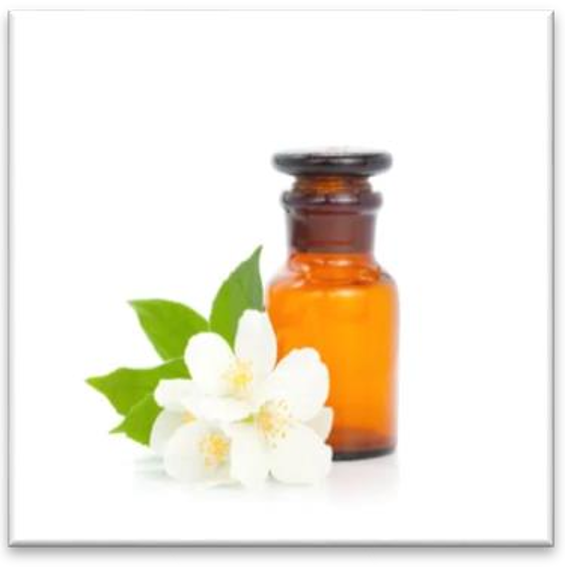
Figure 1: Manuka oil
FIGURE 2
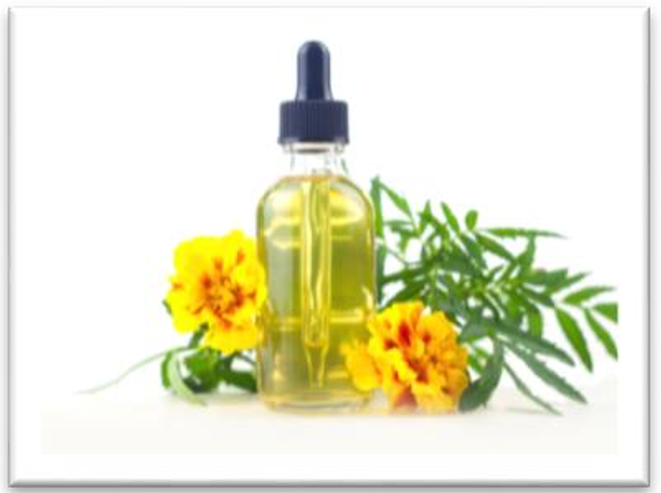
Figure 2: Marigold oil
FIGURE 3
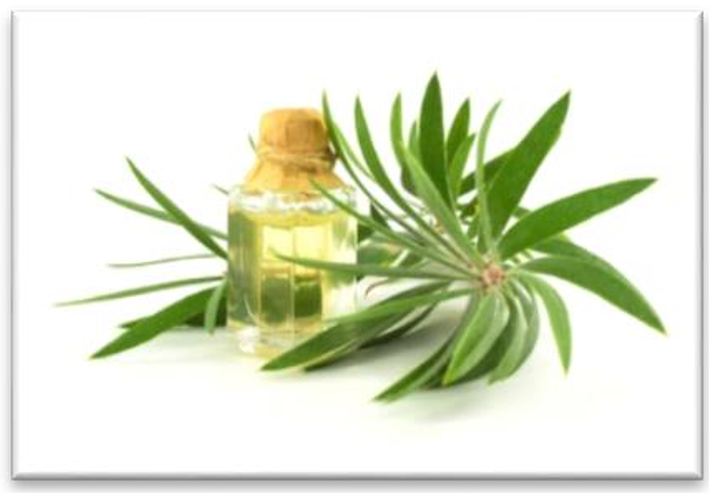
Figure 3: melaleuca oil
FIGURE 4
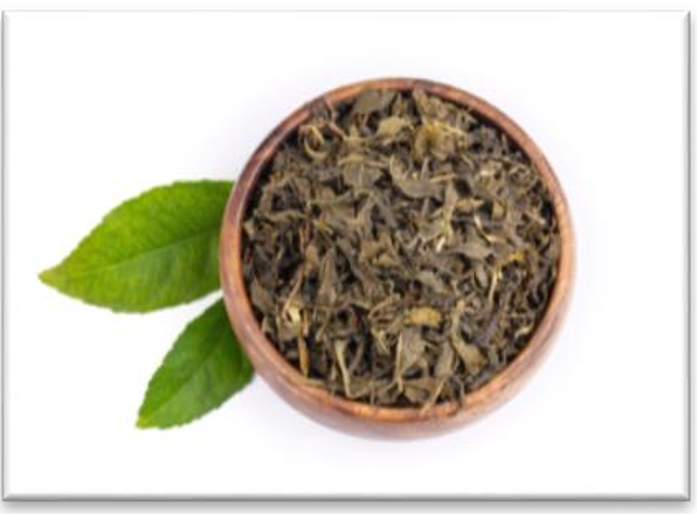
Figure 4: Green tea extract
FIGURE 5
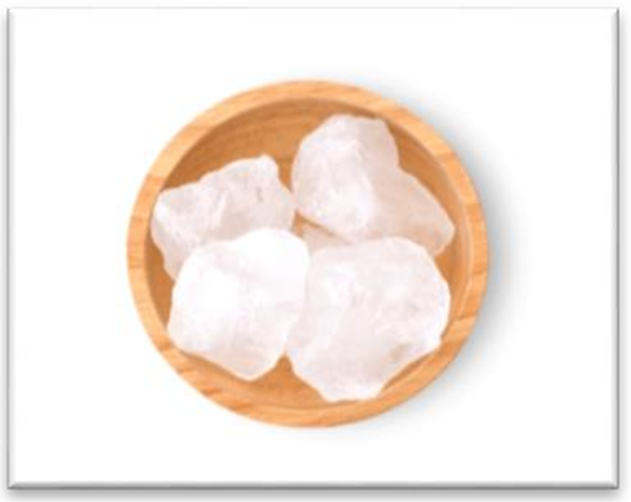
Figure 5: Alum
FIGURE 6
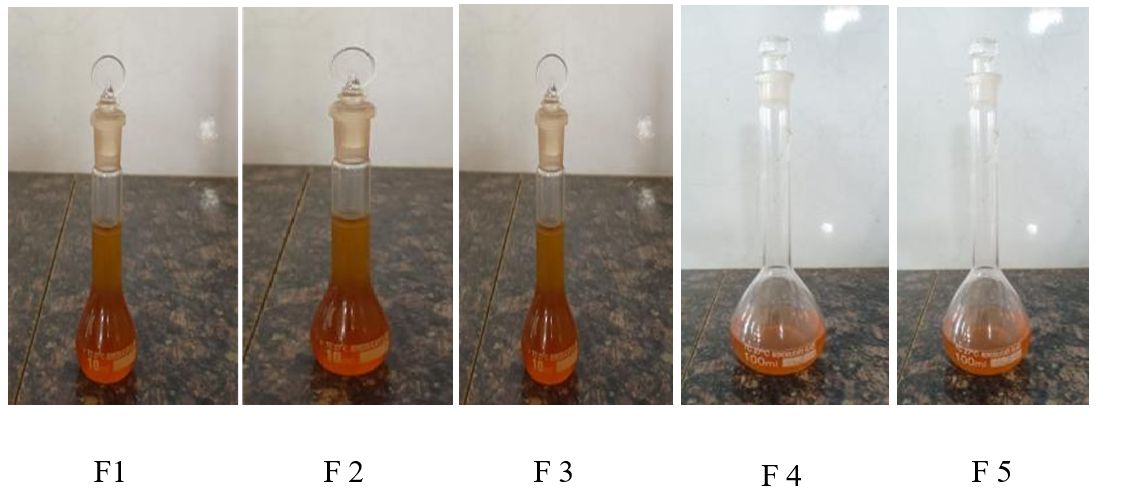
Figure 6: Formulations of herbal mouthwash
FIGURE 7
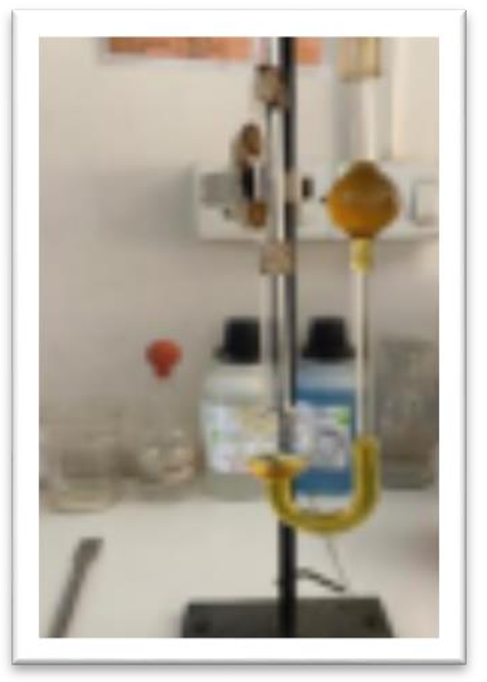
Figure 7: Ostwald’s viscometer
FIGURE 8
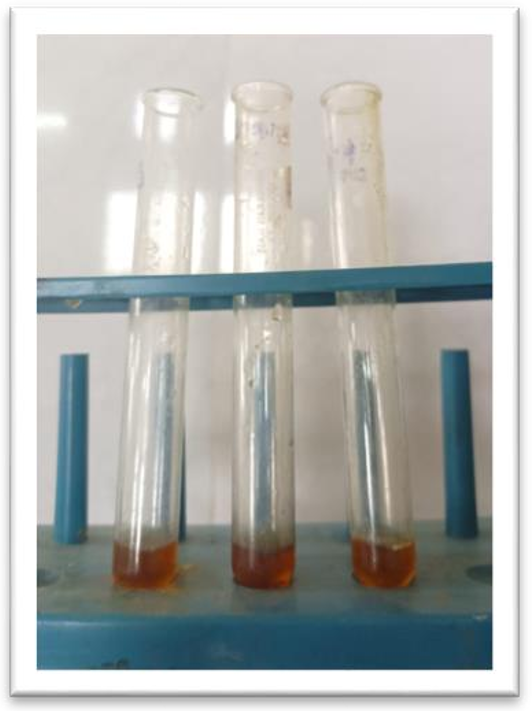
Figure 8: stability study
FIGURE 9
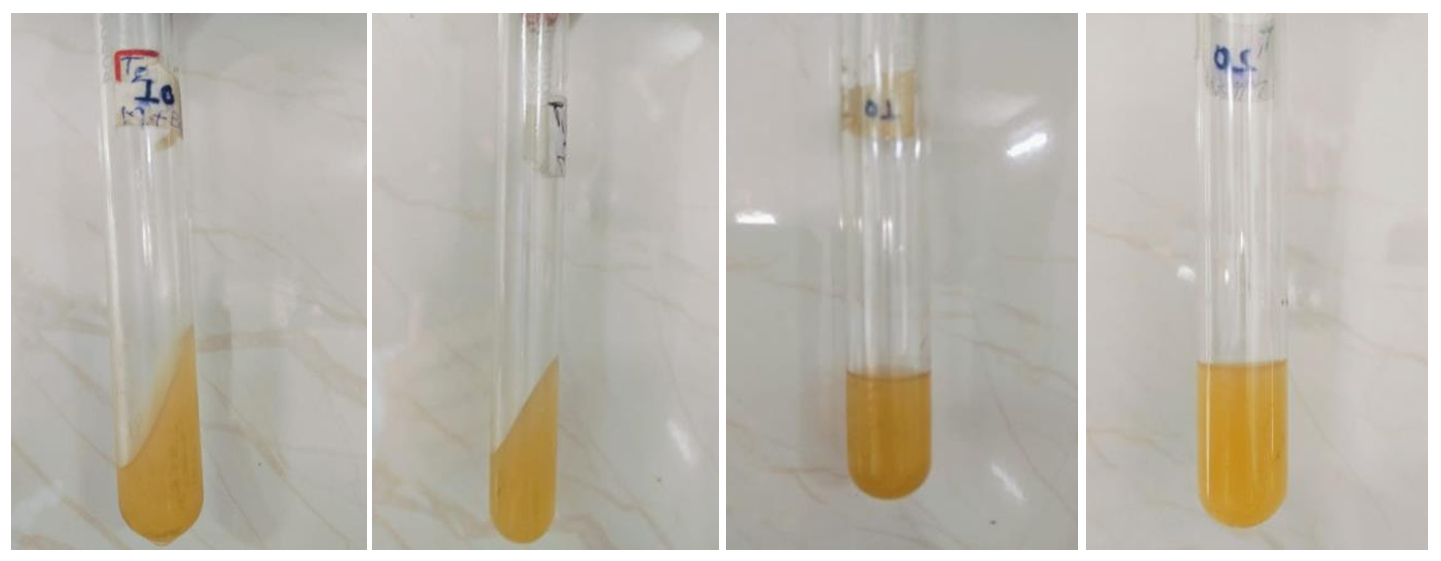
Figure 9: Nutrient gelatin stab
FIGURE 10
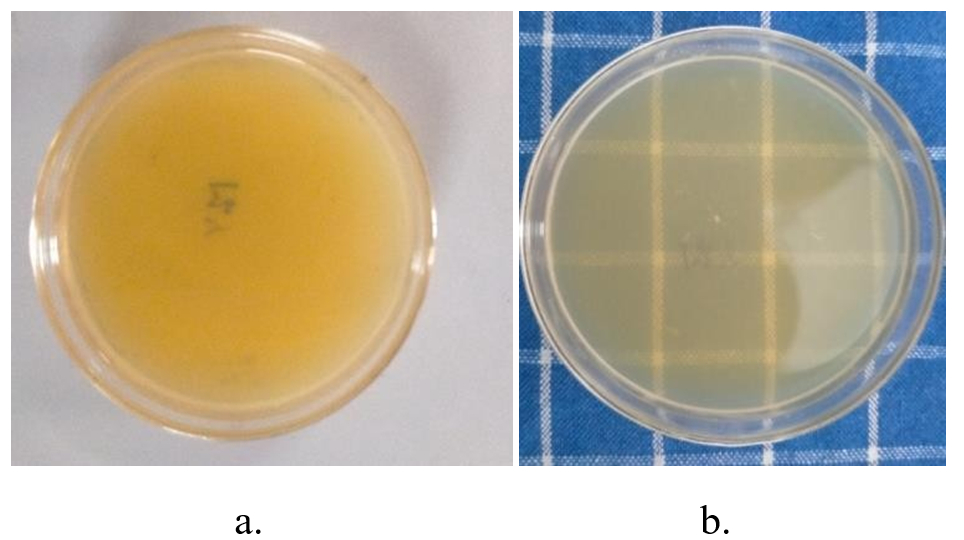
Figure 10: Nutrient gelatin plate a. solidified b. liquified
Tables at a glance
Figures at a glance