
A Review - Global Shift to Regenerative Agriculture
Received Date: May 23, 2025 Accepted Date: June 23, 2025 Published Date: June 26, 2025
doi:10.17303/jacs.2025.4.201
Citation: Mankotia Siya (2025) A Review - Global Shift to Regenerative Agriculture. J Adv Agron Crop Sci 4: 1-10
Abstract
Conventional farming can lead to soil degradation and less productivity in the field. Regenerative agriculture can help in solving the problem like soil degradation and carbon footprint in the environment. Besides lowering carbon footprint, the system approach results in lower input cost because biological inputs are less expensive than agrochemicals. The main aim of regenerative agriculture is to keep the so il covered, minimize soil disturbance, preserve living roots in the soil year-round, increase species diversity, integrate livestock and limit or eliminate the use of synthetic compounds. Despite of so many advantages, a vast majority of growers are hesitating to adopt these practices due to lack of empirical evidences on the claimed benefits and profitability. Excessive use of synthetic chemical can lead to biodiversity loss and ecosystem degradation. Regenerative agriculture practices can decrease greenhouse gases emission, reduce climate changes, improve yield and can create drought resistant soil. Regenerative agriculture approaches on techniques such as crop rotation, agroforestry and combing livestock with cropping, no till farming. Regenerative agriculture techniques must be adopted as a part of shift to sustainability global food supply that alleviates climate change, ecological destruction and malnutrion. By using advanced technologies such as GIS (geographic information system), GPS (geo-positioning system), on ground sensors and remote sensing through which farmers can generate data to manage their crop more efficiently, which will reduce the use of excessive water and fertilizers that will improve soil nutrients and reduce greenhouse emissions. The farmers can freely select appropriate practices and principles with the condition that will lead to improved performances against outcomes. Regenerative agriculture varies widely, depending on the regional, climate, and crop specific needs of each farm. The level of improvement will be context-specific and will be set at a local level by agronomists/technicians or technical subject matter experts and it can be externally verified. Adapting to regenerative agriculture techniques can create much needed resilience in the agricultural value chain. When multiple regenerative practices are used together it could sequester more carbon at a faster rate than previous expectations. Regenerative agriculture is an outcome-based farming approach that protects and improves soil health, biodiversity, climate and water resources while supporting farming business development.
Keywords: Regenerative Agriculture; Geo-Positioning System; Sustainability; Carbon Footprint; Reduce Climate Changes; No till Farming
Introduction
As the nouns "agriculture" and "farming" have been closely linked to the adjective "regenerative" since the late 1970s, the terms "regenerative agriculture" and "regenerative farming" gained popularity in the early 1980s after being popularized by the US-based Rodale Institute. The Rodale Institute has been at the pioneering of the organic agricultural movement for many years through its publications and research, which includes the periodical Organic Gardening and agricultural activities [1]. Regenerative agriculture is a faring technique that employs natural processes to boost biological activity, improve soil health, better nutrient cycling, restore landscape function and produce food and fiber while retain or increasing farm profitability [2]. To feed such a large population there were various advancements done like mechanization, improved crop verities, intensive practice in monoculture farming which lead to the degradation of soil and environment which shifted he attention towards finding more suitable methods. Regenerative agriculture is one of the farming systems that offers the potential in restoring the landscape and conserving the biodiversity [3].
Regenerative agriculture and sustainability are almost interrelated but the main difference is that regenerative agriculture mainly approaches in restoring soil and ecosystem with the idea of improving its agricultural production where as in sustainability we aim at maintain the existing systems [4]. Regenerative agriculture is a method that attempts to grow plenty of food using few resources as possible in a way to strengthen the soil rather than depleting it, while also contributing to the solution of carbon sequestration. Utilization of A.I. techniques inundated with proximal sensing devices (e.g., spatiotemporal imagery, unmanned aerial vehicles) and predictive modeling (e.g., big data, machine learning) which envalves on-site bioeconomic analysis, supporting the development of context specific and region-specific models for regenerative agriculture [5].
The idea of regenerative agriculture comprises basic ideas like minimizing synthetic inputs, integrating livestock, supporting soil fertility, understanding the farm-specific context (including local environment, local land use and topography) and imitating natural processes. Common regenerative agricultural methods include reducing external inputs, utilizing cover crops, maintaining roots all year long and minimizing tillage [6]. The most often appearing concerns related to Regenerative Agriculture in an analysis of published research are enhancements regarding soil health, the environment as a whole, human health, and economic prosperity. According to the authors, Regenerative Agriculture is "an approach to farming that uses soil conservation as the entry point to regenerate and contribute to multiple provisioning, regulating and supporting ecosystem services," with the aim to boost sustainable food production from an environmental, social, and economic perspective [7].
While there are certain interpretations of Regenerative Agriculture which favor the use of agrochemicals, many argue for their reduction and minimal use. Surprisingly little emphasis is given to alternate methods of controlling pests and diseases in literature on Regenerative Agriculture, despite the fact that this seems to be one of the main obstacles’ farmers will have to overcome in order to reduce or phase out chemical control methods. Despite the possibility that genetic engineering could provide plant resistance and lessen the need for chemical sprays, some interpretations of regenerative agriculture are flatly anti-genetically modified organisms [8]
Crop yield, crop-soil dynamics, and crop phenological stages can all be simulated in cropping systems using well-known biophysical models like APSIM, CROPSYST, EPIC, STICS, and DSSAT. But incompatibilities between various models have been detected [9]. The ultimate objective of regenerative agriculture is not to be restored to the natural ecology and biological function that prevailed prior to agricultural system, but to use natural ecological processes within an agricultural system to enhance the health of the farming system. Although there are many different definitions of regenerative agriculture, there isn't a widely recognized definition, which makes it difficult for researchers, farmers, agriculture advisers, policy makers, and consumers to properly understand and use regenerative agricultural concepts. In an effort to define regenerative agriculture and educate future research and policy developers, scholars and policymakers have recently tried. Based on qualitative analysis a definition was given in which it states that “an approach to farming that uses soil conservation as an entry point to regenerate and contribute to multiple provisioning, regulating, and supporting services with the objective that this will enhance not only the environmental but also social and economic dimension of sustainable food production [10]”
In order to boost output and restore landscape function, regenerative agriculture practitioners employ a variety of approaches that integrate biological and ecological systems. Taking use of natural processes is the main objective, which can be achieved in the following ways:
- Using plants with high biomass production to capture carbon from the soil through photosynthesis.
- Enhancing plant-micro biota symbiotic relationships in the soil.
- Improving the water-retention and soil structure with biological systems.
- Including animals, which should have a favorable effect on ecosystem services [11].
A new paradigm needs to be adaptable and provide options for management practices that meet the intended results. It also needs to be tied to a premium to compensate the grower for the practices and acknowledge regional variations in needs and practices. Finally, a clear list of certification requirements and a third-party verification system are necessary for the new paradigm to succeed. Although growers don't think such a program would replace organic, they do see chances for new marketing initiatives, especially in the areas of water management and carbon sequestration. In an effort to "increase soil organic matter over time and sequester carbon below and above ground, which could be a tool to mitigate climate change, improve animal welfare, and provide economic stability and fairness for farmers, ranchers, and workers," this framework aims to promote holistic agriculture practices [12].
Historical Context
Traditional Agricultural Practices
Feeding the expanding global population has been made possible in large part by conventional industrial agriculture. As a result, there is now more food security; worldwide rates of undernourishment fell from 14.7% in 2000 to 9.9% in 2020. Improvements to the distribution network, mechanization, enhanced crop varieties, synthetic agrochemicals, and intensive monoculture cropping techniques were some of the innovations that contributed to this achievement [13]. Agriculture was a practice of early human communities that naturally promoted ecological balance. Crop rotation, polyculture, and the use of compost and manure as natural fertilizers were prevalent practices in ancient Mesopotamian, Egyptian, and Chinese civilizations. built the groundwork for agriculture by indicating the shift from nomadic hunting and gathering communities to permanent cultivation. Crop rotation and fallow field management were two techniques employed by early farmers to preserve soil fertility [14].
Rise of Industrial Agriculture
Introduction of the green revolution, High-yielding crop types, artificial fertilizers, insecticides, and sophisticated irrigation methods were all developed by the Green Revolution. Although many regions of the world experienced a large decrease in hunger as a result of these developments, they also caused soil erosion, loss of biodiversity, and environmental degradation. The Green Revolution's intensive agricultural methods led to an over-reliance on chemical inputs and monocultures, which exacerbated ecological imbalances and long-term problems with soil health. As a counter-movement that prioritized natural inputs and ecological balance, organic farming evolved in response to the adverse impacts of industrial agriculture. While avoiding synthetic chemicals is the main goal of organic farming, not all regenerative agriculture concepts are consistently applied [15].
Emergence of Regenerative Agriculture
As researchers and practitioners realized the need of agricultural systems that improve and restore ecosystem processes, the term "regenerative agriculture" started to gain traction. During this time, regenerative concepts like biodiversity, soil health, and carbon sequestration were codified. Regenerative agriculture gained popularity and growth due in part to the work of influential people such as Allan Savory, who advocated for planned grazing and holistic management, as well as others who supported agricultural ecology and perm culture. Global regenerative agriculture was becoming more and more popular in the early 2000s, and policy leaders, research groups, and environmental organizations were beginning to recognize this trend. During this time, a number of networks and certifications supporting regenerative techniques were established. The effectiveness of regenerative agriculture has been reinforced by increased study into ecosystem services, soil health, and mitigating the effects of climate change. Though adoption is still uneven, policies and incentives have started to take regenerative concepts into consideration [16].
As shown in Figure 1 These phrases were first common in books around the middle of the 1980s, but by the middle of the 2000s, they had all but vanished. Then, after 2015, Regenerative Agriculture became much more common. Regenerative agriculture is a term that appears in books significantly less frequently than terms like sustainable agriculture, organic farming, agroecology, and organic agriculture between 1972 and 2018.
Principles of Regenerative Agriculture
Regenerative agriculture prioritizes environmental sustainability and human wellness. It suggests that all farms should make contributions to environmental preservation in addition to producing crops that may be sold. The primary advantages incorporate enhanced soil properties, increased biodiversity, and improved environmental circumstances.
1. Soil Health and Carbon Sequestration
Enhancing Soil Organic Matter: Regenerative agriculture places a strong emphasis on methods that raise soil organic matter, which enhances soil nutrient availability, water retention, and structure.
Fostering Soil Micro biota: Fertile soils are rich in advantageous microorganisms. Microbial activity and variety are supported by techniques like cover crops and composting.
Carbon Sequestration: Capturing and storing atmospheric carbon in the soil is one of the main objectives. By lowering the atmospheric concentration of greenhouse gases, this helps to moderate climate change.
Carbon farming techniques: Agro forestry, cover crops, and no-till farming are some of the practices that help enhance the amount of carbon stored in soil.
2. Biodiversity and Ecosystem Health
Different Plant and Animal Species: Including livestock, cover crops, and a range of crops fosters a diversified ecosystem that increases resistance to environmental stressors like pests and diseases.
Habitat Creation: Various beneficial organisms and natural predators are supported by actions like establishing hedgerows, keeping up wildflower strips, and building wetlands.
Natural Pest Management: Regenerative agriculture supports natural pest control systems and minimizes dependency on synthetic pesticides by promoting biodiversity.
Pollination and Soil Fertility: Biodiverse systems promote nutrient cycling and pollination services, which boost crop yields and soil health.
3. Water Management and Conservation
Erosion Reduction: Practices including contour plowing, cover crops, and no-till farming contribute in reducing soil erosion and enhancing water infiltration.
Water Harvesting: Methods like building ditches (contour trenches) and collecting rainfall are used to collect and store water for usage in dry seasons
Precision Irrigation: Using technology that maximize water utilization and minimize waste contributes to more efficient water resource management.
Minimizing Runoff: Regenerative agriculture minimizes surface runoff and avoids water contamination by improving soil structure and utilizing ground cover.
4. Reduced Chemical Inputs and Synthetic Fertilizer
Organic Inputs: Using natural insecticides and fertilizers—like compost, manure, and biopesticides—instead of synthetic ones is prioritized.
Biological, physical, and cultural techniques are combined in integrated pest management (IPM) strategies to manage diseases and pests with the least amount of chemical input.
Crop rotation, cover crops, and composting are examples of practices that improve soil nutrient cycle and lessen the demand for synthetic fertilizers.
Maintaining Soil pH: Organic amendments aid in the natural pH balance of the soil, which guarantees ideal growing conditions for plants.
Conservation of Live Roots of Perennial Crops
Systems Thinking: Regenerative agriculture employs a comprehensive strategy that takes into account all aspects of the farm system and how they interact. This involves being aware of the interactions and effects that exist between different elements, including soil, plants, and animals.
Adaptive Practices: Farmers modify their methods in response to new information and conditions by keeping an eye on events and keeping track of them.
Building Resilience: The goal is to develop farming systems that can withstand external pressures such as economic volatility, climate change, and other shocks.
Continuous Improvement: To enhance methods and results over time, regenerative agriculture promotes constant learning and experimentation [17].
Current Global Practises
North America
Management of Soil Health-No-till farming: Mostly used in the Midwest region, no-till farming promotes better water retention, erosion control, and soil structure maintenance. Prominent farmers have proven its benefits. Cover Cropping: To improve soil fertility, lower erosion, and control weeds, farmers utilize cover crops in places like Pennsylvania, Ohio, and Iowa. It is conventional to employ species such as legumes, rye, and clover.
Integrating Livestock
Holistic Planned Grazing: To improve soil health and restore grasslands, several areas employ Allan Savory's controlled grazing technique. The strategy improves carbon sequestration and nutrient cycling by imitating the movements of a wild herd.
Polyculture and Agroecology
Diversified farming systems: To improve soil health, lower insect strain, and boost resilience, farmers use crop rotation and polyculture. To interfere with the cycles of pests and diseases, techniques include alternating fields and integrating diverse crop types.
Innovation and Technology
Precision agriculture makes use of cutting-edge technologies like GPS, sensors, and drones to monitor soil health, optimize resource utilization, and enhance farming techniques.
Data-Driven Decisions: Regenerative techniques are being supported more and more by platforms and apps that offer data on crop performance, weather forecasts, and soil conditions.
Asia
Methods and Advancements
INDIA-Subhash Palekar has been associated with creating the well-known Zero Budget Natural Farming (ZBNF) approach, which places an emphasis on natural inputs and conventional methods. ZBNF focuses on enhancing soil health through natural processes and uses as little outside resources as possible.
Agroecology: Used in a number of states to combine cutting-edge farming methods with age-old wisdom. Crop diversification, organic pest control, and soil fertility management are some of the practices.
CHINA-Conservation tillage is used in northern areas to preserve moisture, lessen erosion, and enhance soil health.
Integrated farming systems combine the production of crops and livestock with an emphasis on resource efficiency and sustainability. Nutrient cycling and intercropping are two techniques.
Africa
Kenya- In order to increase the productivity and health of the soil, conservation farming uses techniques including crop rotation, cover crops, and little tillage.
Agroforestry: combines trees with livestock and crops to increase soil fertility, boost biodiversity, and create extra revenue streams.
SOUTH AFRICA- Several areas have embraced holistic planned grazing as a means of managing grazing systems and restoring rangelands. This technique enhances pasture quality and aids in soil regeneration.
Smallholder farmers and communities use permaculture, which is a design approach that imitates natural ecosystems, to build resilient and sustainable agricultural systems.
Europe
GERMANY- Organic farming places a strong focus on methods that support regenerative principles, such as improved soil health, increased biodiversity, and less use of chemicals.
Agroecology is the application of ecological concepts to agriculture with an emphasis on crop variety, sustainable land management, and ecosystem services.
FRANCE- Agroforestry: Using trees to improve biodiversity, soil health, and water management in different parts of the world.
Regenerative viticulture: To enhance soil health and sustainability, techniques used in wine production include cover crops, decreased tillage, and organic additions.
Latin America
BRAZIL- Agroforestry: Used in the Amazon and other areas to improve soil health, boost biodiversity, and repair degraded lands.
Crop-Livestock Integration: This approach integrates cattle and crops to increase soil fertility, decrease deforestation pressure, and increase yield.
ARGENTINA- To enhance soil health and lessen erosion, conservation agriculture practices include crop rotation, cover crops, and no-till farming.
Regenerative Grazing: Uses controlled grazing techniques to increase pasture health and sequester carbon [18].
Benefits of Regenerative Agriculture
Why do we need regenerative agriculture?
Regenerative agriculture improves the land by using technology that replenishes the ecosystem and soil. It supports biodiversity, preserves the watershed, maintains the soil rich and healthy, and strengthens the economy. It also increases the soil's capacity to retain water. One of the best approaches to address this problem through the use of diverse tools and technology is regenerative agriculture. The increased usage of chemical fertilisers today will lead to a loss in soil fertility, thus this is an issue that needs to be addressed [19].
Potential Benefits of RA in Soil Health
The ability of soil to continue functioning as an essential living system within ecological and land-use boundaries is known as soil health. This ability helps to maintain biological productivity, air and water quality, and plant, animal, and human health. The ideal physical (texture, water-holding capacity), chemical (pH, soil organic matter; SOM), and biological (microbial diversity, N mineralization, and soil respiration) characteristics of soil are what are responsible for its health and ability to produce productive, healthy crops. Considered a living, dynamic ecosystem, soil is home to a diverse range of micro- and macrobiota that control its characteristics. Modern technology-induced agricultural intensification has reduced soil's ability to sustain its functions, which has an impact on long-term production and results in the loss of ecosystem services. The main goal of RA is to improve soil health by raising organic matter levels and enhancing fertility and productivity. Minimal or no tillage is a crucial technique employed by RA farmers to reduce soil disturbance. One of the additional advantages of minimizing soil disturbance is that it promotes the growth of fungal hyphae, which improves soil nutrient cycling. Carbon dioxide (CO2) fluxes to the atmosphere and water resources are caused by soil disturbance brought on by intensive tillage. Some nations have embraced minimal or no tillage not only as a cost-saving strategy but also to offer advantages in regions vulnerable to soil and water erosion risk. In addition to these advantages, some specialists think that conservation tillage techniques can improve carbon sequestration, reducing the effects of global warming. The retention of living roots in the soil throughout the year is a requirement of the second and third RA principles. Including cover crops in the farming system is one way. In order to retain living plants on the soil during times when cash crops are not being cultivated, cover crops are usually planted in between primary crops. This is done by either underseeding cash crops, usually grains, with perennial crops that will grow to maintain soil cover post-harvest into the following season, or by planting cover crops after harvest. Single-species or mixtures of many species can be used as cover crops. Even though it is simple to manage a single species of cover crop, a combination of species may offer all the advantages of each species together [20].
Promote Biodiversity
Crop rotation and cover crops are two essential components of sustainable agriculture that increase biodiversity. Farmers plant cover crops with no plans to harvest them in order to protect the soil. In the absence of cover crops, soil is vulnerable to weather erosion, which causes the soil to dry out and lose important nutrients through washing or blowing away. Farmers rotate their crops by planting a new crop in the same spot each growing season. This enables nitrogen-fixing plants, such legumes, to enrich the soil with nutrients that can be absorbed by other plants.
Eliminate or Decrease Tillage
Creating healthy soil is one of the primary goals of the regenerative agriculture movement, and one of the most regenerative methods for achieving this is to reduce tilling. Tilling contributes significantly to atmospheric carbon dioxide emissions and soil erosion. Reducing global warming via increasing carbon sequestration, which is the process by which plants absorb carbon from the atmosphere into the soil.
Use of Regenrative Grazing Management for Livestock
Conventional livestock feedlots result in low-nutrient feed, increased greenhouse gas emissions, and water contamination. In contrast, a regenerative grazing system mimics the grazing patterns of natural animals. Techniques like time-controlled grazing allow rangeland to recover sufficiently between grazing seasons. As a result, there is a rise in soil carbon deposits, improved grazing conditions, water retention, and diversification of plants and insects [21].
Nutrient Dense Food
Practitioners of RA believe that increased yields have led to a reduction in plant nutrients and that implementing RA techniques can enhance the nutritional value of food. The nutritional value of grains may be negatively impacted by climate change, especially by increased CO2. Human health and nutritional security are closely related, and global food production depends on both. Food crops' nutritional levels are significantly influenced by the fertility and quality of the soil. Depletion of micro- and macronutrients in the soil has been connected to poor dietary nutrient content. It has been reported that over the past century, the mineral content of soil has decreased by up to 85% in several countries. It has been discovered that the number of mineral elements in fruits and vegetables is much lower than expected [22].
Enviromental Benefits
Regenerative agriculture also aims to increase biodiversity by reducing inputs that are harmful to biodiversity, increasing the diversity of on farm species (e.g. through use of perennials, agroforestry, cover crops, and crop rotations), and improving soil quality in a manner that can increase microbial biodiversity. Agricultural diversification has an economic neutral effect on crop yield, according to a second-order meta-analysis review, but it improves biodiversity, pollination, pest control, and soil health outcomes like improved fertility and water regulation (although crop yield response was highly variable and context dependent) According to this, farms that diversify—which is consistent with regenerative agriculture in terms of crop and non-crop diversification as well as organic amendments—better sustain biodiversity and may also experience increased ecosystem services at the same time. Research on regenerative systems has revealed notable rises in biodiversity. According to a study on rangeland systems in the USA, dung pat arthropod communities in regenerative systems had 19% more species than in conventionally managed rangelands. Regenerative systems were defined by higher stocking densities, shorter rotations, longer rest periods, and no or minimal ivermectin use. This shows that cover crops alone may not provide the same benefits for SOC as a mix of regeneration methods, crop rotation, no-till, and greater perennialization. A study that used a variety of regeneration techniques to convert degraded cropland to multispecies pasture rotation. The focus needs to be on both land sparing and agricultural practices that conserve biodiversity, given the rate at which biodiversity is being lost and the amount of land used for agriculture. While some research indicates that using regenerative agriculture techniques can enhance farm more systematic research comparing particular regenerative practices to conventional practices, for their relative effectiveness in reducing biodiversity losses of species that are threatened by agricultural practices and landscapes, is needed to compare biodiversity with more conventional practices [23].
Ecological Benefits
Each season after they set out on the path of regeneration, they saw incredible changes occur on their land, sometimes rather quickly. They saw increases in crop health and yields, a sign of better soil fertility. Farmers and ranchers observed that their soil was wetter and more pliable, and that soil aggregates with a chocolate hue were adhering to the long roots of their plants. The cornerstone of good water, nutrient, and carbon cycling is located in the soil, where rich microbial communities were established through soil tests and visible indicators such as earthworms. Improved soil biodiversity was followed by biodiversity on land, in the air, and in the water. Water quantity and quality both benefit from regenerative farming. Regenerative farms and ranches use fewer chemicals and pesticides, which reduces chemical contamination of surface and ground water, dangerous algal blooms, and pollution of drinking water. Better soil health results in increased soil water holding capacity, recharge of groundwater, increased water conservation on farms and ranches, and increased resilience to floods and droughts. We met with a number of farmers and ranchers who were driven to go on a regenerative journey or to become first-time farmers or ranchers in order to contribute to the fight against climate change [24].
Economic Benefits
Although ecological, communal, and individual values drove the majority of our interviewees, the financial rewards of regenerative agriculture also served as a primary driver and result for many. Our interviewees discovered that their regenerative farming practices enhanced the overall health and yields of their crops, in part because of better soil health. Profitability of farms and ranches benefited from lower costs resulting from the use of chemicals, such as antibiotics, herbicides, and insecticides, as well as fertilizers. Success as a farmer was also influenced by good fortune in circumstances and good old-fashioned luck. Nevertheless, we believe it's reasonable to state that regenerative agricultural principles and practices offer financial advantages after talking with so many people from a wide range of backgrounds and farm kinds across the nation. Regenerative agriculture has the potential to boost rural economic growth on a large scale. Regenerative economies are a concept that encompasses the wider food supply system in addition to farms. The goal of regenerative agriculture is to create wealth and life along the networks that connect food production, distribution, infrastructure, and processing. While we are still learning, we have heard a lot of exciting things from producers who are joining this web by putting money into value-added products, processing facilities, or even founding their own food obtaining organizations. All of these moves are intended to give producers more clout in the web and guarantee that they receive a larger portion of every dollar sold of food [25].
Challenges and Barriers
Economic and Market
The Haber-Bosch interpret, a technique for making synthetic nitrogen fertilizer, was discovered and scaled up, leading to one of the most significant changes in food production. After 1913, food production expanded rapidly due to the capacity to add nitrogen to the field, which is a limiting ingredient for many plants and, as many would argue, considerably contributed to greater food security. Although science had made it possible to increase productivity, there were still disadvantages to using synthetic fertilizers. These included nitrogen runoff pollution and other practices like tillage that did not show a thorough understanding of or appreciation for soil dynamics and soil health [26].
"The application of a set of cultural, biological, and mechanical practices that support the cycling of on-farm resources, promote ecological balance, and conserve biodiversity" is how the USDA defines organic agriculture. These include preventing the use of artificial fertilizers, sewage sludge, radiation, and genetic engineering; preserving or improving the quality of the soil and water; and protecting wetlands, woods, and animals. Much of the current study focuses on how these activities relate to sequestering carbon to fight climate change. With all of the variables in the system, the usefulness of this strategy is still being debated. One producer used rice water management systems as an illustration of a system that satisfied these prerequisites for success. Growers acknowledged that the environmental community and consumers are interested in soil health, but for the initiative to be successful, there would need to be a defined set of indicators, such as soil organic matter, and a suitable time frame (such as five years) to measure changes. Additionally, other components of the data collection process, claim certification, and financial return mechanism would need to be established [27].
Policy and Regulatory
It is useful to quickly go over the history of the organic standard and think about how the developing regenerative agriculture paradigm can benefit from some of the lessons learned in order to put regulatory challenges into perspective. The Haber-Bosch process, a technique for making synthetic nitrogen fertilizer, was discovered and scaled up, leading to one of the most significant changes in food production. After 1913, food production expanded rapidly due to the capacity to add nitrogen to the field, which is a limiting ingredient for many plants and, as many would say, considerably contributed to greater food security [28].
Over the following decades, there was an increase in the use of synthetic inputs such chemical fertilizers and pesticides which protected plants from insects, weeds, and disease. Lord Northbourne first used the term "organic" agriculture in the 1940s to describe the emergence of "life-giving" food as an alternative to chemically produced food. The initiative to establish a nationwide organic standard was sparked by the need to level the playing field for interstate marketing. In order to create a nationwide standard for the production of organic food and fiber, Congress approved the Organic Foods Production Act (OFPA) in 1990. The USDA was tasked with creating rules that would standardize certification and apply to producers; such rules were put into effect in 2002. Additionally, OFPA formed the National Organic Standards Board (NOSB) as an advisory body to provide suggestions on materials that might be utilized in organic operations. While certain techniques may be demonstrated to generate a desired outcome, that may not always be the case. Regenerative agriculture models that combine suggested practices with an emphasis on desired outcomes may offer some flexibility for farmers [29].
Market and Profitability
Profitability has been highlighted by participants as the main justification for cultivating certified organic food, a claim maintained by customer demand for organic goods. Customers do believe that foods produced conventionally and organically are less safe than those produced organically, even in spite of the regulatory standards being equivalent and the USDA's specific statement that certified organic food is a marketing initiative. Funk and Kennedy noted that industrialized nations exhibit a particularly marked disparity in this regard. According to a survey, Boston consumers felt that conventionally farmed food had comparatively higher dangers when compared to other public health threats including the chance of death from motor vehicle accidents in the United States [30]. According to a survey, Boston consumers felt that conventionally farmed food had comparatively higher dangers when compared to other public health threats including the chance of death from motor vehicle accidents in the United States. When compared to conventionally grown food, over 90% of consumers felt that choosing organically grown product reduced the danger of pesticide residues. The vast majority of growers in this poll did not believe that organic had significant environmental benefits or cutting-edge leadership (i.e., employing the most advanced methods within peer group), which is a stark contrast to consumer attitudes. Alternatively, a grower noted that growing organic was necessary to sustain good connections with product consumers who demanded a blend of conventional and organic products. Price and market accessibility were noted as the two biggest obstacles facing growers of certified organic produce in the. Growers in the present study talked about the difficulties associated with organic production, which has a lower marketable yield and requires more labor and equipment, in line with previous studies [31]. A few producers were able to cover this extra expense by obtaining contracts at a higher price. Others were reliant on the harvesting season's market price. Growers found that producing organic food carried a considerable risk to profitability in both cases. According to this report, organic producers face particular difficulties with labor costs and availability as well as with securing price premiums to maintain profitability. According to the authors' conjecture, these answers demonstrate how important livelihood is to sustainability for both smallholder and largeholder farmers. According to the growers questioned, organic farming will not be substantially impacted in the near future by regenerative agriculture trends. They mentioned the accreditation's potential benefits for consumers' health and the environment as well as its value as a recognized certification. Growers believed that several of the issues noted in should be resolved in order to facilitate expansion in that market. One intriguing observation made by a grower who participated in the poll was that under certain conditions, certified organic growers may benefit from derogations that permit emergency use of an IPM strategy for pest management. Growers think the development of outcome-based programs and process-based organic farming will continue to coexist for the foreseeable future. It remains to be seen if the latter will grow into an integrated notion of regenerative agriculture [32].
Future Perspectives
Technological Innovations
It appears that regenerative agriculture principles and the cutting edge capabilities of modern science must be combined to redefine the future of agriculture. Agritecture's team and other industry professionals expect an agricultural revolution that combines digital tools, agrivoltaics, and green technologies with traditional farming practices. This harmonious fusion of cutting-edge technology and traditional knowledge has the potential to build a highly productive and long-lasting agricultural system. It facilitates the best use of land. As the United Nations projects that global food production would need to rise by almost 70 percent by 2050, it is evident that efficient land use is now a need rather than a choice. The urgent need for more food production can be met by implementing regen ag methods that are supported by digital tools and can boost crop yield per acre. Moreover, enhanced resistance against climate change can be achieved through a hybrid approach that combines sustainable agriculture and technology. The Fermentation Process using regenerative agriculture are more resilient to the whims of irregular weather patterns because they have restored soil health and increased biodiversity. This is particularly important since that farming communities around the world are facing previously unheard-of difficulties due to climate change [33].
Policy and Recommendations
Efficiency, production, and sustainability have all been shown to increase when cutting-edge technology like IoT, AI, automation, greenhouses, and satellite imaging are included into regenerative agriculture techniques. Here are five more instances that illustrate this creative methodology. Our guiding principles as we address the climate catastrophe should be action and urgency. Technology advancement has given rise to regenerative agriculture, which not only gives hope but also a practical, doable way forward. We can achieve sustained improvements now, rather than later, by balancing the inherent strengths of regenrative agriculture with the power of technology. This strategy is more than a wishful thought. It has its roots in environmental imperative and is strongly entrenched in economic viability. It's a ground-breaking guide for an agricultural future that is wealthy and sustainable—a vision that inspires optimism. Technology advancements, such as artificial intelligence and the Internet of Things, are contributing to the benefits of regenerative agriculture. Farmers, consumers, and the environment all benefit from the increased crop yields, decreased environmental degradation, and improved operating efficiencies. By putting money into regenerative agriculture and combining it with cutting-edge technology, we are planting the seeds for a resilient, nourished, and prosperous future in addition to growing a solution for the problems of today. Now is the moment to embrace the revolution in regen-tech! [33].
Conclusion
The global move towards regenerative agriculture is a significant and hopeful change in how we approach farming. This review shows that regenerative agriculture, which focuses on improving soil health, boosting biodiversity, and capturing carbon, has the potential to make a real difference compared to conventional farming. By adopting practices like cover cropping, reduced tillage, and agroforestry, we can tackle some of the biggest challenges facing agriculture today. Regenerative agriculture offers a fresh perspective on how we grow our food. Unlike traditional methods that often prioritize short-term yields, regenerative practices aim to build healthy soil, conserve water, and create more resilient farming systems. These benefits extend beyond the farm: healthier soil means better water retention and reduced erosion, while more diverse ecosystems can lead to fewer pests and less need for chemical inputs. One of the most exciting aspects of regenerative agriculture is its potential to combat climate change. By capturing carbon in the soil, these practices help reduce greenhouse gases in the atmosphere, which is crucial for addressing global warming. This makes regenerative agriculture a valuable tool in our efforts to meet climate goals However, making this shift isn’t without its challenges. Farmers may face initial costs and a learning curve when adopting new practices. To support this transition, we need to rethink policies, provide financial incentives, and offer training and resources. Collaboration among governments, researchers, and local communities will be key to overcoming these hurdles and scaling up regenerative practices. Moreover, adopting regenerative agriculture can have far-reaching benefits. It not only helps the environment but can also enhance food security and support rural economies. By aligning with broader sustainability goals, regenerative practices can contribute to a more equitable and resilient food system.
- Giller KE, Hijbeek R, Andersson JA, Sumberg J (2021) Regenerative agriculture: an agronomic perspective. Outlook on agriculture, 50: 13-25.
- Clapp J, Moseley WG (2020) This food crisis is different: COVID-19 and the fragility of the neoliberal food security order. The Journal of Peasant Studies, 47: 1393-417.
- Khangura R, Ferris D, Wagg C, Bowyer J (2023) Regenerative agriculture—A literature review on the practices and mechanisms used to improve soil health. Sustainability, 15: 2338.
- Brown K, Schirmer J, Upton P (2021) Regenerative farming and human wellbeing: Are subjective wellbeing measures useful indicators for sustainable farming systems?. Environmental and Sustainability Indicators, 11: 100132.
- McLennon E, Dari B, Jha G, Sihi D, Kankarla V (2021) Regenerative agriculture and integrative permaculture for sustainable and technology driven global food production and security. Agronomy Journal, 113: 4541-59.
- Olsson S, Ameen M, Bajpai S, Gudasalamani G, Gajjar C, Gupta S, Subaharan K (2022) Framework for a Collective Definition of Regenerative Agriculture in India. Ecology, Economy and Society–the INSEE Journal, 5: 23-30.
- Schreefel L, Schulte RP, De Boer IJM, Schrijver AP, Van Zanten HHE (2020) Regenerative agriculture–the soil is the base. Global Food Security, 26: 100404.
- Lotz LA, van de Wiel CC, Smulders MJ (2020) Genetic engineering at the heart of agroecology. Outlook on Agriculture, 49: 21-8.
- Jones JW, Hoogenboom G, Porter CH, Boote KJ, Batchelor WD, Hunt LA, Ritchie JT (2003) The DSSAT cropping system model. European journal of agronomy, 18: 235-65.
- Newton P, Civita N, Frankel-Goldwater L, Bartel K, Johns C (2020) What is regenerative agriculture? A review of scholar and practitioner definitions based on processes and outcomes. Frontiers in Sustainable Food Systems, 4: 577723.
- Li M, Guo J, Ren T, Luo G, Shen Q, Lu J, Ling N (2021) Crop rotation history constrains soil biodiversity and multifunctionality relationships. Agriculture, Ecosystems & Environment, 319: 107550.
- Lemke S, Smith N, Thiim C, Stump K (2024) Drivers and barriers to adoption of regenerative agriculture: cases studies on lessons learned from organic. International Journal of Agricultural Sustainability, 22: 2324216
- Anderson MD, Rivera-Ferre M (2021) Food system narratives to end hunger: extractive versus regenerative. Current Opinion in Environmental Sustainability, 49: 18-25.
- Sands B, Machado MR, White A, Zent E, Gould R (2023) Moving towards an anti-colonial definition for regenerative agriculture. Agriculture and Human Values, 40: 1697-716.
- Yadav S, Anand S (2019) Green revolution and food security in India: a review. Nat Geogr J India, 65: 312-23.
- McKeon CS, Tunberg BG, Johnston CA, Barshis DJ (2015) Ecological drivers and habitat associations of estuarine bivalves. PeerJ, 3: e1348.
- Yadav A, Prajapati J, Kumar R, Upadhyay A (2023) Regenerative Agriculture-A Review. Vigyan Varta, 4: 107-9.
- Jayasinghe SL, Thomas DT, Anderson JP, Chen C, Macdonald BC (2023) Global Application of Regenerative Agriculture: A Review of Definitions and Assessment Approaches. Sustainability, 15: 15941.
- Lal R (2020) Regenerative agriculture for food and climate. Journal of soil and water conservation, 75: 123A-4.
- Chabbi A, Lehmann J, Ciais P, Loescher HW, Cotrufo MF, Don A, Rumpel C (2017) Aligning agriculture and climate policy. Nature climate change, 7: 307-9.
- Elevitch CR, Mazaroli DN, Ragone D (2018) Agroforestry standards for regenerative agriculture. Sustainability, 10: 3337.
- Baumhardt RL, Stewart BA, Sainju UM (2015) North American soil degradation: Processes, practices, and mitigating strategies. Sustainability, 7: 2936-60.
- Tamburini G, Bommarco R, Wanger TC, Kremen C, Van Der Heijden MG, Liebman M, Hallin S (2020) Agricultural diversification promotes multiple ecosystem services without compromising yield. Science advances, 6: eaba1715.
- Zomer RJ, Neufeldt H, Xu J, Ahrends A, Bossio D, Trabucco A, Wang M (2016) Global Tree Cover and Biomass Carbon on Agricultural Land: The contribution of agroforestry to global and national carbon budgets. Scientific reports, 6: 29987.
- Al‐Kaisi MM, Lal R (2020) Aligning science and policy of regenerative agriculture. Soil Science Society of America Journal, 84: 1808-20.
- Fedoroff NV (2015) Food in a future of 10 billion. Agriculture and Food Security 4: 11.
- Some S (2024) Unlocking synergies and managing trade-offs: how climate actions in Indian agriculture support the Sustainable Development Goals. Discover Sustainability, 5: 207.
- Kopittke PM, Menzies NW, Wang P, McKenna BA, Lombi E (2019) Soil and the intensification of agriculture for global food security. Environment international, 132: 105078.
- Kuehne S, Roßberg D, Röhrig P, Von Mehring F, Weihrauch F, Kanthak S, Gitzel J (2017) The use of copper pesticides in Germany and the search for minimization and replacement strategies. Organic Farming, 3: 66-75.
- Funk C, Kennedy B (2016) The new food fights: US public divides over food science. Pew Research Center, 1.
- Meemken EM, Qaim M (2018) Organic agriculture, food security, and the environment. Annual Review of Resource Economics, 10: 39-63.
- Seufert V, Ramankutty N, Foley JA (2012) Comparing the yields of organic and conventional agriculture. Nature, 485: 229-32.
- Benne B, Mang P (2015) Working regeneratively across scales—Insights from nature applied to the built environment. Journal of Cleaner Production, 109: 42-52.
FIGURE 1
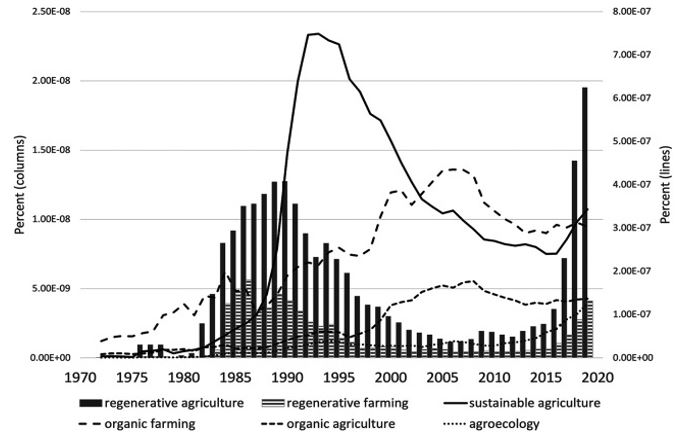
Figure 1
Source: Google NGram Viewer, Corpus ‘English 2019’ which includes books predominantly in the English language published in any country.
FIGURE 2
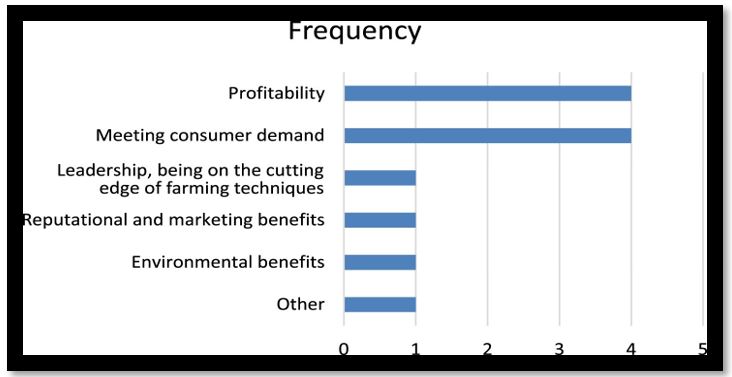
Figure 2
FIG- Lemke, S., Smith, N., Thiim, C., & Stump, K. (2024). Drivers and barriers to adoption of regenerative agriculture: cases studies on lessons learned from organic. International Journal of Agricultural Sustainability, 22(1), 2324216.
Figures at a glance