
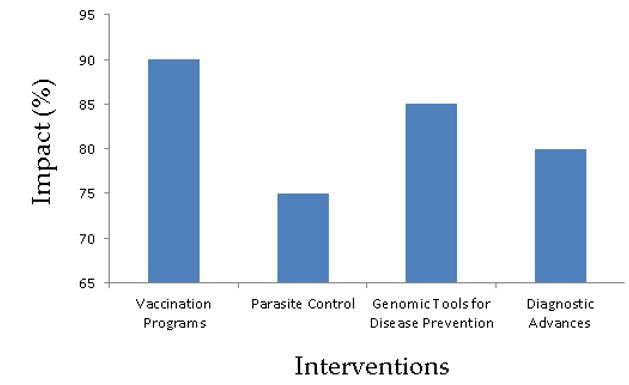
Figure 1: Impact of Various Disease Prevention Strategies on Effectiveness (%)
| Sustainable Veterinary Practice | Description | Impact Level (%) |
| Disease Prevention (Vaccination & Biosecurity) | Reducing disease incidence through immunization and improved hygiene | 90 |
| Proper Antibiotic Use | Minimizing antibiotic resistance by responsible prescription practices | 85 |
| Environmental Pathogen Control | Managing animal waste to reduce contamination and disease spread | 80 |
| Alternative Therapies (Herbal, Acupuncture, Low-Invasive Surgery) | Reducing reliance on pharmaceuticals by using natural and minimally invasive treatments | 75 |
| Sustainable Agriculture (Organic Farming, Rotational Grazing) | Reducing environmental impact and improving animal welfare | 70 |
| Waste Management & Recycling in Veterinary Clinics | Proper disposal and recycling of medical waste to reduce pollution | 75 |
| Energy-Efficient & Eco-Friendly Veterinary Facilities | Using renewable energy, reducing carbon footprint, and minimizing resource use | 70 |
| Sustainable Feed & Nutrition | Promoting eco-friendly, non-GMO, and ethically sourced animal feed | 78 |
| Biodiversity Conservation & Wildlife Protection | Protecting natural habitats and reducing negative impacts on ecosystems | 85 |
Table 1: Sustainable Veterinary Practices and Their Impact on Animal Health and the Environment
| Sustainable Approach | Description | References |
| One Health Approach | An interdisciplinary approach recognizing the link between human, animal, and environmental health. | [1], [2], [6] |
| Antibiotic Stewardship | Strategies to address the overuse and misuse of antibiotics in veterinary practice to combat antimicrobial resistance. | [3], [7], [9] |
| Natural and Alternative Medicine | Exploration of alternative therapies like herbal medicine and acupuncture for supporting animal health. | [4], [5], [8] |
| Preventive Care | Emphasis on vaccination, biosecurity measures, and regular veterinary check-ups in disease prevention. | [10], [11], [12] |
Table 2: Sustainable Approaches in Animal Health Management: Key Strategies and References
| Challenges | Description | Impact | Future Directions | References |
| Economic Barriers | High costs of adopting sustainable technologies. | Limits innovation and practice adoption. | Develop cost-effective technologies and policies. | Forlani (2008) [1], Smith et al. (2001) [2]. |
| Political Barriers | Lack of global standards and supportive policies for sustainability. | Slow policy development in favor of sustainability. | Advocate for better policies and regulations for sustainable practices. | Jones et al. (2008) [3], Kumar et al. (2012) [4]. |
| Technological Barriers | Slow adoption of new tech due to infrastructure gaps and high costs. | Limits use of advanced diagnostics and preventive technologies. | Increase accessibility to new technologies for rural clinics. | Zhang et al. (2015) [5], Abdullah et al. (2016) [6]. |
| Emerging Diseases | New diseases due to climate change and global trade. | Increased disease outbreaks and higher control costs. | Develop rapid-response systems and surveillance networks. | Hossain et al. (2019) [7], Basha et al. (2017) [8]. |
| Climate Change | Altered disease patterns due to environmental shifts. | Changes in disease transmission dynamics. | Research adaptive strategies for animal health management. | Umar et al. (2020) [9], El-Toukhy et al. (2012) [10]. |
| Antibiotic Resistance | Overuse of antibiotics in veterinary practice leading to resistance. | Treatment failure, economic burden, and increased health risks. | Promote antibiotic stewardship and alternative treatments. | Järup (2003) [11], Wang et al. (2017) [12]. |
| Public Education | Lack of awareness regarding sustainable veterinary practices. | Poor adoption of sustainable practices in animal health. | Conduct education campaigns for farmers and animal owners. | Terry et al. (2000) [13], Li et al. (2013) [14]. |
| Interdisciplinary Collaboration | Insufficient collaboration between veterinarians, researchers, and public health professionals. | Fragmented approach to animal health. | Encourage interdisciplinary collaborations for more comprehensive disease management. | ATSDR (2019) [15], FAO/WHO (2001) [16]. |
| Regulation of New Technologies | Challenges in regulating fast-evolving veterinary technologies. | Slow adoption of beneficial technologies. | Streamline approval processes for new veterinary practices and technologies. | Smith et al. (2001) [2], Zhang et al. (2015) [5]. |
| Economic Barriers | High costs of adopting sustainable technologies. | Limits innovation and practice adoption. | Develop cost-effective technologies and policies. | Forlani (2008) [1], Smith et al. (2001) [2]. |
Table 3: Challenges and Future Directions in Sustainable Veterinary Medicine

Figure 1: Impact of Various Disease Prevention Strategies on Effectiveness (%)
Tables at a glance
Figures at a glance