
The GLP-1 Neurorecovery Paradigm: Implications for Post-intensive Care Syndrome and Mental Health Recovery
Received Date: July 19, 2026 Accepted Date: July 27, 2026 Published Date: July 30, 2026
doi:10.17303/jbb.2026.3.102
Citation: João Rêgo Araújo, Amália Cinthia Meneses Rêgo, Irami Araújo Filho (2026) The GLP-1 Neurorecovery Paradigm: Implications for Post-intensive Care Syndrome and Mental Health Recovery. J Biotechnol Biol 3: 1-21
Abstract
Critical care prevents death far better than it restores function, leaving a growing group of survivors with cognitive, psychiatric, and physical disability—the post-intensive care syndrome (PICS). Its most disabling dimension is cognitive impairment, accompanied by mood and trauma-related symptoms; no current therapy is disease-modifying. A single mechanism increasingly ties these outcomes together: persistent neuroinflammation, wherein blood-brain barrier breakdown, sustained microglial activation, NLRP3-inflammasome signaling, mitochondrial failure, and complement-mediated synaptic loss drive long-term morbidity. Glucagon-like peptide-1 receptor agonists (GLP-1 RAs), developed for metabolic disease, act on these exact nodes. Across independent models, semaglutide, tirzepatide, liraglutide, dulaglutide, and exenatide lower neuroinflammation, shift microglia toward repair, protect the barrier, restore bioenergetics, and support synaptic plasticity. The mechanistic case is strongest for cognition, where complement-mediated synaptic loss is a defined target; any benefit for psychiatric symptoms would plausibly be a downstream consequence of reduced neuroinflammation. We bring these previously separate literatures together to propose the GLP-1 Neurorecovery Paradigm: the hypothesis that GLP-1 RAs are candidate neuroimmunometabolic therapies able to modify cognitive recovery after critical illness. The evidence base that bears on PICS specifically consists of experimental models and observational human data; no interventional clinical study of any kind has evaluated a GLP-1 RA in ICU survivors, and the negative phase 3 exenatide, evoke, and evoke+ trials counsel caution. The framework is therefore biologically plausible but clinically unproven. We set out the biomarker, mechanistic, observational, and randomized studies needed to test it.
Key Messages
Post-intensive care syndrome carries a heavy, underrecognized neuropsychiatric burden—cognitive impairment, depression, anxiety, and posttraumatic stress disorder—for which intensive care unit and postdischarge care remain supportive rather than disease-modifying.
Persistent neuroinflammation—blood-brain barrier disruption, microglial activation, NLRP3-inflammasome signaling, mitochondrial failure, and synaptic loss—is a unifying, targetable mechanism linking critical illness to long-term cognitive and psychiatric disability.
The proposed GLP-1 Neurorecovery Paradigm reframes GLP-1 receptor agonists as candidate neuroimmunometabolic therapies for recovery after critical illness—a biologically plausible but unproven hypothesis that calls for biomarker-enriched, convalescent-phase trials.
In the PICS setting the supporting evidence is confined to experimental models and observational human data; no randomized, controlled, or otherwise interventional clinical study has tested a GLP-1 receptor agonist in ICU survivors. Every therapeutic statement in this article should be read at that evidentiary level.
Key Words: critical illness; delirium; glucagon-like peptide-1 receptor agonists; neuroinflammation; post-intensive care syndrome; sepsis-associated encephalopathy
Introduction
Critical care has become very good at preventing death. Lung-protective ventilation, balanced resuscitation, timely source control, and protocolized sepsis care now carry patients through insults that were routinely fatal a generation ago, and more people leave the intensive care unit (ICU) alive each year. That success has changed the question rather than answered it. Many survivors never get their old lives back. In one prospective cohort followed for three years after ICU-treated sepsis, a striking proportion remained functionally dependent, and much of that new disability was neither pulmonary nor muscular but cognitive [1]. The clinician’s responsibility, in other words, no longer ends at ICU discharge; it now extends into months and years of cognitive and psychological morbidity that acute care neither anticipates nor treats.
We call this syndrome PICS, the post-intensive care syndrome: new or worsening impairment in cognition, mental health, or physical function that begins with critical illness and persists afterward [2,3]. Of its three domains, the neuropsychiatric one is the most disabling and the hardest to treat. Survivors report failing memory, slowed thinking, and trouble with planning and attention, often alongside depression, anxiety, and posttraumatic stress disorder (PTSD); in sepsis survivors, posttraumatic symptoms can wax and wane for at least two years rather than resolve on their own [4].
Depression and anxiety after sepsis are common, tend to travel together, and correlate with circulating markers of immune activation [5,6]. Delirium, once dismissed as a transient nuisance of the critically ill, is now understood as a warning sign of later cognitive decline and death [7,8]. Pooled data confirm that neurologic complications during sepsis predict worse long-term cognition [9], and that recovery, when it happens, is slow, partial, and very uneven between patients [10]. With populations aging and critical illness becoming more common, PICS has quietly grown into a public-health problem: a large group of survivors left newly vulnerable to cognitive and psychiatric disability that we can describe but cannot yet modify.
What links these outcomes is increasingly thought to be persistent, maladaptive neuroinflammation. Sepsis-associated encephalopathy (SAE), the acute brain dysfunction that accompanies systemic infection, has become the reference model for how inflammation in the body injures the brain, and its mechanisms converge on a surprisingly small set of cellular events [11]. Activation of the cerebral endothelium and breakdown of the blood-brain barrier (BBB) let cytokines, damage-associated molecular patterns, and immune cells reach the neuropil [12], where microglia take over as the principal effector cell [13]. Beyond releasing neurotoxic cytokines, activated microglia do something more specific: they prune working connections. In experimental SAE they engulf C1q-tagged synapses and produce measurable cognitive deficits, which recasts postsepsis cognitive impairment as a problem of pathological synaptic loss rather than vague “toxic” injury [14]. NLRP3-inflammasome activation and microglial pyroptosis amplify the process [15], and alarmins such as HMGB1 carry the signal that strips synapses and degrades memory [16]. Beneath it all sits a bioenergetic failure. Mitochondrial dysfunction and oxidative stress in neurons and glia both license inflammasome activity and starve the energy supply that plasticity demands [17]. Plasticity falters and repair stalls; when plasticity is rescued directly in preclinical SAE, cognition recovers, which marks it as a modifiable endpoint rather than a fixed deficit [18].
This program does not switch off when the infection clears. Sepsis-surviving animals show long-lasting, P2X7-dependent neuroinflammation and cognitive impairment well after the acute insult resolves [19], and systemic sepsis hastens Alzheimer-type pathology and chronic glial activation in vulnerable brains [20]. Central injury markers, amyloid-β and caspase-1 among them, rise with sepsis severity [21], and survivors settle into a state of persistent inflammation, immunosuppression, and catabolism that can sustain immunometabolic disturbance both peripherally and centrally [22].
A single thread therefore runs through these patients: critical illness opens the barrier and ignites neuroinflammation; sustained microglial activation, inflammasome signaling, and mitochondrial failure strip synapses and blunt plasticity; the clinical result is cognitive impairment and psychiatric illness—depression, anxiety, PTSD—and, in those already at risk, accelerated neurodegeneration and lasting disability. Seen this way, PICS is not a grab-bag of unrelated deficits but the chronic neuropsychiatric face of a neuroimmunometabolic injury.
Our therapeutics have not kept pace with this understanding. Almost everything we offer for PICS is supportive: follow-up clinics, cognitive and physical rehabilitation, psychological therapy, and attention to nutrition [23]. None of it touches the underlying neuroimmune process. The few attempts to interrupt the cascade pharmacologically have largely failed; in the MIND-USA trial, antipsychotics for ICU delirium changed neither survival nor long-term outcomes, a reminder that quieting symptoms is not the same as protecting the brain [24]. So, the field is left with a well-mapped, mechanistically coherent injury and no agent that engages it.
That gap is what makes glucagon-like peptide-1 receptor agonists (GLP-1 RAs) worth a second look from the intensivist. Built for type 2 diabetes and obesity, they are now understood as pleiotropic drugs whose reach extends well past glucose and weight [25], and a sizable preclinical and translational literature lands squarely on the pathways that drive post-critical-illness brain injury. GLP-1 receptors sit on microglia and neurons, and activating the central receptor directly dampens Toll-like-receptor-driven inflammation [26], which makes these drugs a brake on the very signaling that defines SAE. In model after model they lower neuroinflammation [27], push microglia from a proinflammatory toward a reparative state [28], and block NLRP3-inflammasome activation while cognition improves [29]. Semaglutide curbs A1-astrocyte conversion and protects the BBB after ischemia [30]; liraglutide tempers astrocytic neuroinflammation [31] and, most relevant to our setting, eases postoperative cognitive impairment through NRF2/NLRP3 signaling [32] and blunts delirium-like behavior in aged surgical animals by restoring microglial mitophagy [33]. The same drugs restore mitochondrial bioenergetics [34], enhance autophagy [35], support neurogenesis [36], and raise brain-derived neurotrophic factor [37], acting on neuroinflammation, microglial state, neuroprotection, plasticity, and mitochondrial function at once. Tirzepatide, a dual GIP/GLP-1 agonist, carries the antineuroinflammatory and antioxidant effects further in early work [38]. Human signals are beginning to appear: a post hoc analysis of EXSCEL found that a GLP-1 RA lowered inflammatory proteins linked to Alzheimer’s disease [39], and large psychiatric syntheses report favorable effects on mood and anxiety with no excess suicidality [40,41].
None of this licenses overstatement. The best clinical evidence still comes from metabolic and neurodegenerative disease, and it is mixed: the phase 3 trial of exenatide in Parkinson’s disease was negative [42], and the pivotal cognitive trials in Alzheimer’s disease [have since reported without demonstrating clinical benefit [43,85,86]. Most of the neuroprotection data come from animal models of uncertain relevance to human PICS, the human associations are largely uncontrolled, and we do not know what central exposure or dose a critically ill patient would need. These are limits on what can be claimed, not reasons to dismiss the hypothesis; they set the research agenda.
What no one has done is bring these two literatures together. The contemporary record holds two mature but separate bodies of work: one on the neuroimmunometabolic pathology of sepsis, SAE, delirium, and PICS, the other on the neuroprotective and neuroimmunomodulatory pharmacology of GLP-1 RAs in metabolic, neurodegenerative, and psychiatric disease. [Despite rapidly expanding evidence for the neuroprotective and neuroimmunomodulatory effects of GLP-1 receptor agonists, no review connects this drug class to PICS, to mental-health recovery after critical illness, or to cognitive recovery after sepsis, and none has proposed a framework that joins them.
We argue that the overlap between these fields is not accidental but mechanistically grounded, and we name it the GLP-1 Neurorecovery Paradigm. The paradigm treats GLP-1 RAs not as glucose-lowering drugs with incidental brain effects, but as neuroimmunometabolic modulators that act on the very nodes—microglial activation, inflammasome signaling, BBB integrity, mitochondrial bioenergetics, and synaptic plasticity—through which critical illness inflicts lasting neuropsychiatric harm. If PICS is the chronic expression of a neuroimmunometabolic insult, then GLP-1 RAs are, almost uniquely among available drugs, able to engage that insult at several points simultaneously. The paradigm reframes the goal from managing symptoms to changing the biological trajectory.
The central hypothesis of this review follows directly: GLP-1 receptor agonists may represent a new class of neuroimmunometabolic therapies capable of modifying the trajectory of cognitive and psychiatric recovery after critical illness. We advance it as a hypothesis to be tested, not a conclusion; its worth lies in the specific, falsifiable predictions it generates.
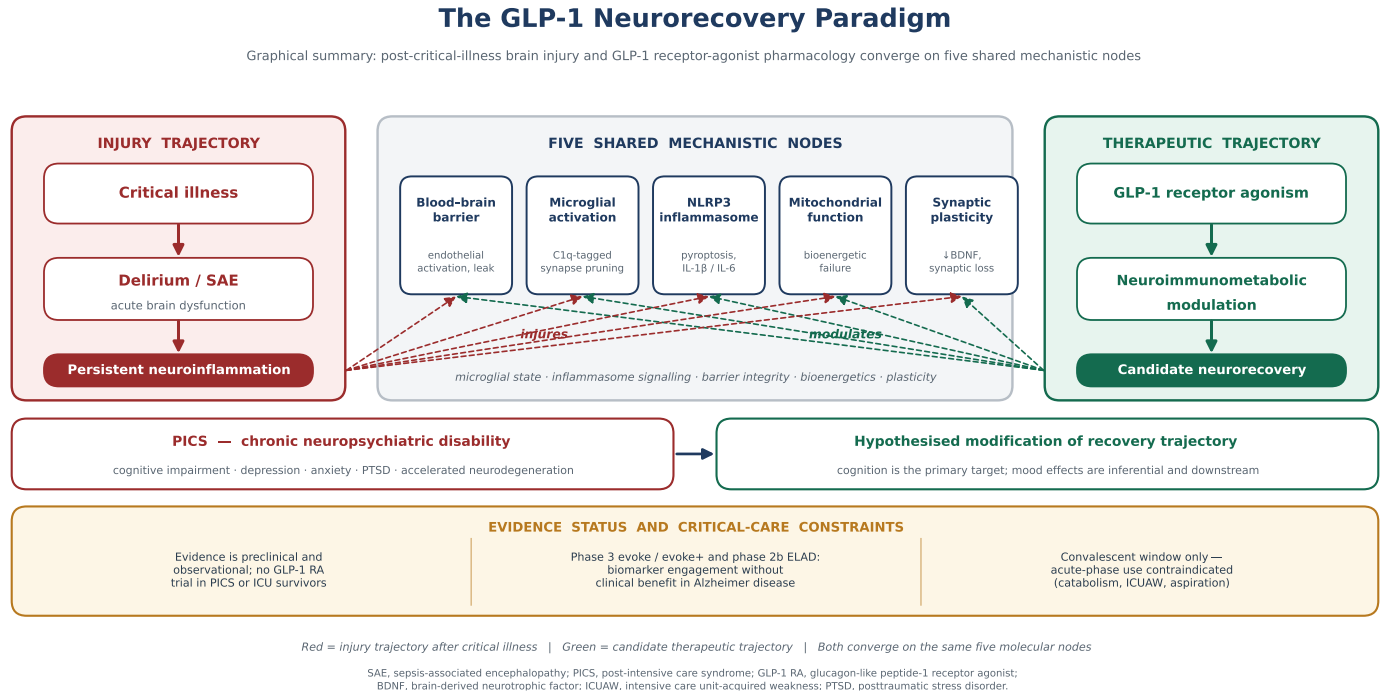
Our aim, then, is to build and stress-test the GLP-1 Neurorecovery Paradigm by joining the mechanisms of post-critical-illness brain injury to the neuroprotective pharmacology of GLP-1 RAs, to weigh supporting and contradictory evidence even-handedly, and to set out the translational and clinical research needed to learn whether a familiar metabolic drug class can help restore the minds of those who survive critical illness. A concise visual synthesis of the argument is provided as the Graphical Abstract.
Evidence Sources and Selection Strategy
This article is conceived as a perspective and hypothesis, not as a systematic review, and it was neither registered in PROSPERO nor conducted according to PRISMA. Rather than cataloguing a field, it advances a falsifiable argument: that two mature but largely separate bodies of evidence—the neuroimmunometabolic pathology of critical illness and the neuroprotective pharmacology of GLP-1 receptor agonists—converge closely enough to constitute a testable therapeutic hypothesis. Because the transparency of a hypothesis-generating review depends on how its evidence was assembled, we describe that process explicitly.
We searched PubMed/MEDLINE, Embase, Scopus, Web of Science, and the Cochrane Library from database inception to July 2026, and screened ClinicalTrials.gov and the EU Clinical Trials Register for completed and ongoing interventional studies. Four thematic blocks of terms were combined with the Boolean operator AND, with terms within each block combined with OR, using controlled vocabulary (MeSH/Emtree) and free-text variants: (i) clinical setting—“critical illness”, “sepsis”, “septic shock”, “intensive care”, “ICU survivor”, “post-intensive care syndrome”, “sepsis-associated encephalopathy”, “delirium”; (ii) mechanism—“neuroinflammation”, “microglia”, “NLRP3”, “inflammasome”, “blood-brain barrier”, “mitochondrial dysfunction”, “synaptic plasticity”, “complement”, “neurofilament light chain”; (iii) intervention—“GLP-1”, “glucagon-like peptide-1 receptor agonist”, “incretin”, “semaglutide”, “liraglutide”, “tirzepatide”, “exenatide”, “dulaglutide”; and (iv) outcome—“cognition”, “cognitive impairment”, “neuroprotection”, “depression”, “anxiety”, “posttraumatic stress disorder”, “quality of life”. The search was supplemented by backward and forward citation tracking of key articles and by hand-searching the reference lists of relevant reviews. No date or design restriction was applied; screening was limited to records with an English-language full text or abstract.
Records were screened by title and abstract and then in full text against a single criterion: whether the study informed either the mechanistic architecture of post-critical-illness brain injury or the neuro-relevant pharmacology of GLP-1 receptor agonism. Priority was given, in descending order, to randomized clinical trials and systematic reviews or meta-analyses, to prospective human cohorts, and to mechanistic preclinical work addressing one or more of the five nodes around which the paradigm is built. Studies were retained irrespective of the direction of their findings, and null, negative, and discordant results—most importantly the phase 3 exenatide trial in Parkinson disease, the evoke and evoke+ trials, the ELAD trial, and the GDF15 data that run counter to the hypothesis—were deliberately kept in view and are cited explicitly, precisely because an attractive new framework invites confirmation bias.
Two limitations of this approach should be stated plainly. First, no formal risk-of-bias appraisal and no quantitative synthesis were undertaken, because the heterogeneity of designs, species, models, agents, and outcome measures rules out meaningful pooling. Second, the final citation set was selected to be representative and argument-bearing rather than exhaustive; other investigators applying the same searches would legitimately retain a different, overlapping set of articles. The value of the synthesis therefore lies not in completeness but in the specific, refutable predictions it generates and in the research agenda it defines.
The Neuropsychiatric Legacy of Critical Illness
In modern critical care, survival and recovery have come apart. Patients who would once have died now leave the ICU carrying a neuropsychiatric burden the acute illness neither predicted nor resolved [1]. Three years on from ICU-treated sepsis, many remain functionally dependent, and the dependence is disproportionately cognitive and psychological [1]. When survivors are followed over time, their cognitive courses diverge—sepsis survivors do worse than other ICU survivors, and modifiable exposures such as benzodiazepine sedation track with poorer outcomes—a finding that makes at least part of post-critical-illness cognitive injury iatrogenic, and therefore partly preventable [10,44]. Posttraumatic symptoms can run a fluctuating, multiyear course [4], and depression and anxiety are frequent, usually comorbid, and increasingly seen as something to screen for rather than stumble upon [5,6,45].
This triad of new cognitive, psychiatric, and physical impairment that outlasts discharge is PICS [3]. Its overlap with postsepsis syndrome and the postacute sequelae of COVID-19 hints at a shared biology of inflammatory brain injury rather than three separate diseases [2], an idea supported by the persistent cognitive slowing and neuroaxonal injury seen in COVID-19 survivors [46,47]. Yet PICS is still routinely missed. It falls between specialties and slips past the acute metrics by which we judge our ICUs, often surfacing only when a patient cannot return to work or is started on a new psychiatric drug months later [48]; cognitive reserve hides it further in higher-functioning people [49]. The consequence is a growing population newly prone to cognitive decline, mood and trauma-related disorders, and accelerated neurodegeneration—people for whom everything we currently offer is supportive and nothing is disease-modifying.
Neuroinflammation as a Unifying Mechanism After Critical Illness
The simplest account of this convergence is a shared substrate: persistent, maladaptive neuroinflammation. SAE has become the working model for how inflammation in the periphery damages the brain, and its mechanisms collapse onto a limited set of cellular events with notable consistency [11]. Systemic inflammation activates the cerebral endothelium and degrades the BBB, with endothelial TREM-1 signaling helping cytokines, alarmins, and immune cells cross into the neuropil [12,50]; microglia then take over as the effector cell and the hub onto which otherwise diverse insults converge [13,51].
What matters most is the specificity of the injury. In experimental SAE, activated microglia eat complement-tagged synapses and leave lasting cognitive deficits, which reframes postsepsis cognitive impairment as targeted synaptic loss rather than diffuse toxicity [14]. NLRP3-inflammasome activation and microglial pyroptosis spread the damage, with several regulatory nodes—TRIM45, OTUD1, and HDAC3/STING—feeding the same axis [15,52,53], while HMGB1 and related alarmins carry out the synaptic stripping that erodes memory [16]. The cytokine load matters too: IL-1β, IL-6, TNF-α, and IFN-γ disturb neural oscillations and drive neurodegeneration through microglial nitric oxide and oxidative stress [54,55,56]. Underneath sits bioenergetic failure, in neurons, glia, and even circulating platelets, which simultaneously permits inflammasome activation and removes the fuel that synaptic maintenance requires [17,57]. Plasticity suffers as a result; yet restoring plasticity directly rescues cognition in preclinical SAE, which again marks it as a tractable target [18,58].
Three observations move neuroinflammation from bystander to candidate driver. First, it outlives the infection: sepsis-surviving animals show long-lasting, purinergic-receptor-dependent neuroinflammation and cognitive impairment [19]. Second, sepsis accelerates Alzheimer-type pathology and sustained glial activation in vulnerable brains, connecting an acute infection to long-term neurodegenerative risk [20,21]. Third, the inflammation is systemic as well as central; survivors enter a state of persistent inflammation, immunosuppression, and catabolism that can keep immunometabolic disturbance alive along the adipose–brain axis [22,60].
A single chain therefore links critical illness to disability: barrier breakdown and neuroinflammation; sustained microglial activation, inflammasome signaling, and mitochondrial failure; synaptic loss and blunted plasticity; cognitive and psychiatric illness; and primed neurodegeneration. Whether neuroinflammation is the central driver or simply the dominant node in a multifactorial network is unsettled, and the heterogeneity of inflammatory subphenotypes warns against monocausal thinking [61]. [It should also be stated at the outset that this entire chain has been assembled from experimental models and from observational human cohorts: the mechanistic steps are demonstrated almost exclusively in rodents, and the human evidence linking them to PICS outcomes is associative rather than interventional. Even so, it is the most promising shared target we have, and it is exactly the target GLP-1 pharmacology engages. Table 1 summarizes these nodes, their mediators, the candidate GLP-1 receptor-agonist action at each, and the level of evidence currently supporting that action.
GLP-1 Receptor Agonists as Neuroimmunometabolic Agents
GLP-1 RAs were built for metabolic disease, but the weight of evidence now makes “purely metabolic” untenable as a description [25]. The receptor is present on neurons and glia, and central GLP-1R activation directly suppresses Toll-like-receptor-driven inflammation, placing these drugs upstream of the innate-immune signaling that starts SAE [26,62]. Across models they reduce neuroinflammation and nudge microglia toward a reparative phenotype [27,28]—the same nodes that define post-critical-illness brain injury.
A mechanism easy to overlook for an enterocrine hormone is the gut-brain axis. Native GLP-1 is released by intestinal L cells and acts substantially through GLP-1 receptors on vagal afferent terminals, relaying enteric and immune signals to the nucleus tractus solitarius and onward to hypothalamic and limbic circuits; this vagal-brainstem route complements direct central receptor activation and engages the cholinergic anti-inflammatory pathway, a recognized brake on systemic and neural inflammation [26,68]. For the critically ill—in whom gut barrier failure, dysbiosis, and vagal dysautonomia are common—this axis is not a peripheral curiosity but a plausible conduit through which GLP-1 receptor agonism could dampen the neuroinflammatory signaling that drives sepsis-associated encephalopathy, and it may help explain central effects that exceed what blood-brain barrier penetrance alone would predict.
Read drug by drug, the picture holds together. Semaglutide blocks NLRP3-inflammasome activation while cognition improves, shifts microglia from M1 to M2, targets osteopontin-expressing microglia to limit perioperative stroke injury, and curbs neurotoxic A1-astrocyte conversion while protecting the BBB after ischemia [29,28,63,30]. The barrier protection appears to be active repair rather than passive sparing: in preclinical models GLP-1 receptor activation upregulates the endothelial tight-junction proteins claudin-5, occludin, and zonula occludens-1 and suppresses matrix metalloproteinase-9, restoring paracellular sealing through PI3K/Akt signaling and reduced oxidative and VEGF-driven permeability [30]. Liraglutide is the most directly relevant to our setting: it reduces postoperative cognitive impairment through NRF2/NLRP3 signaling and dampens delirium-like behavior in aged surgical animals by restoring microglial mitophagy—about as close to the clinical problem as preclinical work gets [32,33]—and it also reshapes astrocyte polarization and limits vascular and neuronal injury in mixed models [31,64]. Tirzepatide extends the antineuroinflammatory and antioxidant effects [38,65]; exenatide shows immune-resolving actions through spinal microglial β-endorphin/IL-10 signaling [66]; and dulaglutide has been argued, on mechanistic grounds, to share the class’s neuroprotective potential [67]. The shared machinery is consistent: GLP-1 RAs restore mitochondrial bioenergetics, enhance autophagy, support neurogenesis, and raise brain-derived neurotrophic factor through identifiable brainstem GLP1R–BDNF circuits [34,35,36,68], a convergence on glial biology coherent enough to be reviewed as one pharmacology [69]. The early human signals run the same way: a post hoc EXSCEL analysis showed lower circulating Alzheimer-associated inflammatory proteins [39], and large psychiatric syntheses report favorable or neutral—though modest and heterogeneous—effects on mood and anxiety with a reassuring suicidality profile [40,70], plausibly tracking neuroinflammatory modulation rather than weight loss alone, though a primary psychiatric action remains unproven [71,72]. [It bears emphasis that every drug-level statement in this paragraph, with the sole exception of the EXSCEL post hoc analysis and the psychiatric syntheses, derives from animal models.
Table 2 compares the five agents by receptor target, reported CNS-relevant actions, highest level of neuro evidence, and relative central penetrance; the class-level claim rests most firmly on semaglutide and liraglutide, with tirzepatide, exenatide, and dulaglutide more thinly supported. The most consequential clinical data have now arrived, and they demand caution: the phase 3 evoke and evoke+ trials of oral semaglutide in early Alzheimer’s disease, reported in 2026, did not slow clinical progression, even though Alzheimer-related and neuroinflammatory biomarkers improved on treatment [43,85]; the phase 2b ELAD trial of liraglutide likewise missed its primary metabolic endpoint while showing supportive secondary signals on brain atrophy and cognition [86]. This dissociation—biological engagement without confirmed clinical benefit—is the central cautionary lesson the paradigm must absorb. No other available class engages this combination of mechanistic actions, but no trial has yet shown that engaging them changes a hard clinical outcome.
Could GLP-1 Receptor Agonists Modify the Trajectory of PICS?
The question that matters is whether this pharmacology can be turned from metabolic and neurodegenerative disease toward recovery after critical illness. The case is best made by laying the GLP-1 profile over the SAE/PICS cascade one node at a time. For persistent neuroinflammation, central GLP-1R-mediated TLR inhibition and NLRP3 suppression hit the two upstream events that start and sustain SAE [26,29], with the potential to break a self-feeding loop that supportive care never reaches [19]. For cognitive decline, the drugs’ support of neurogenesis, BDNF signaling, and mitochondrial bioenergetics targets the synaptic and metabolic substrate whose failure underlies postsepsis impairment [34,36,68]. Most provocatively, by restraining the complement-dependent synapse elimination that produces deficits in SAE [14], a GLP-1 RA could tip the balance from pathological pruning back toward preservation. For psychiatric outcomes the claim must be the most guarded: the reported antidepressant and anxiolytic signals are modest and largely associative, and are best read as a downstream, inferential consequence of reduced neuroinflammation rather than evidence of a primary psychiatric effect; the mechanistic weight of this paradigm rests on cognition, not mood [5,71,72]. The metabolic angle is not a distraction either: acute hyperglycemia worsens neuroinflammation and cognition in SAE, so the glycemic and immunometabolic actions of these drugs may add to, rather than dilute, any neuroprotection [73].
This case has to be disciplined by what cuts against it, and the human record is sobering. The phase 3 exenatide trial in Parkinson’s disease was negative [42]; the phase 3 evoke and evoke+ trials of semaglutide in early Alzheimer’s disease did not slow clinical progression despite improving neuroinflammatory and disease biomarkers [85]; and the phase 2b ELAD trial of liraglutide missed its primary metabolic endpoint [86]. Taken together, these results show that engaging the mechanistic nodes—even demonstrably, at the level of biomarkers—has not yet translated into a hard clinical benefit in neurodegenerative disease, and central exposure differs from agent to agent [74].
The biology has internal tension, too: GDF15, a mediator partly engaged by GLP-1-associated pathways, itself worsens sepsis-induced cognitive impairment, and GDF15 and semaglutide act through largely separate routes—so the incretin–stress-cytokine interface is not uniformly benign [75,76]. Most important, no study has tested a GLP-1 RA in PICS, in ICU survivors, or in human sepsis-associated cognitive recovery; the closest evidence, the liraglutide delirium and postoperative-cognition models, is suggestive but neither clinical nor PICS-specific [32,33]. [The asymmetry is worth stating in one line: the mechanistic case is strong, internally consistent, and almost entirely preclinical; the human case is entirely inferential.
THE GLP-1 Neurorecovery Paradigm
These observations support a reframing we call the GLP-1 Neurorecovery Paradigm: GLP-1 receptor agonists are neuroimmunometabolic modulators that act on the shared mechanistic nodes—microglial activation and polarization, NLRP3-inflammasome signaling, blood-brain barrier integrity, mitochondrial bioenergetics, and synaptic plasticity—through which critical illness produces lasting cognitive and psychiatric injury, and therefore stand as candidate disease-modifying agents for neurorecovery after critical illness. It joins two trajectories that have been studied apart: the pathological one, running from critical illness through neuroinflammation and neuroimmune dysfunction to cognitive impairment, psychiatric sequelae, and disability; and the therapeutic one, running from GLP-1 receptor agonism through neuroimmunomodulation and neuroprotection to plasticity and recovery. The claim is that the two meet at identifiable molecular nodes, densely enough to count as a testable hypothesis rather than a loose analogy. Figure 1 maps this convergence, showing the red injury trajectory of critical illness and the green candidate therapeutic trajectory of GLP-1 receptor agonism meeting on five shared molecular nodes; the Graphical Abstract presents the same convergence in condensed form, together with the evidentiary caveats that bound it.
It departs from current thinking in three ways. It is mechanistic rather than symptomatic: where PICS care today supports patients as they decline, the paradigm proposes to engage the biology of the decline. It is deliberately pleiotropic rather than single target: most experimental neuroprotectants in SAE address one node [15,53], whereas this approach rests on partial, simultaneous modulation of several interacting nodes, which better fits an injury that is itself distributed. And it is ready for repurposing, since it redirects a well-characterized drug class with a known safety profile, shortening the usual distance from mechanism to trial. It remains, explicitly, a framework for generating and organizing hypotheses, not a claim of proven efficacy.
Clinical and Translational Implications for the Intensivist
The target populations are easy to name. ICU and sepsis survivors carry both the heaviest neuropsychiatric burden and the strongest mechanistic rationale [1,10]; delirium survivors form an enriched high-risk subgroup [45]; and older patients with existing metabolic disease, obesity, or diabetes—already candidates for [GLP-1 RAs—offer the most favorable benefit-to-risk balance and the most feasible route to real-world target-trial emulation [59]. Yet the same physiology that makes these survivors a rational target also imposes hard constraints, and these deserve to be stated plainly rather than buried among the opportunities.
The Catabolic Paradox: Sarcopenia, ICU-Acquired Weakness, and Safety Constraints
The central safety problem is a paradox at the heart of the paradigm. The drugs proposed to protect the brain are, by design, agents of weight loss—and the patients in question are already wasting. ICU-acquired weakness (ICUAW), sarcopenia, and progressive muscle catabolism are not incidental to PICS; they are among its defining features, and they share the inflammatory and mitochondrial drivers that this paradigm seeks to interrupt. GLP-1 receptor agonists lower body weight partly by suppressing appetite and energy intake, and in a patient already losing lean mass this is a concrete hazard, not a theoretical one.
We therefore state the constraint in the strongest terms: administering GLP-1 RAs during the acute, catabolic phase of critical illness should be regarded as contraindicated. Three converging risks make acute phase use untenable. First, accelerated lean-mass loss: superimposing a potent anorexiant on the catabolic, anabolic-resistant state of acute critical illness could deepen the very muscle wasting that drives long-term disability [77,78]. Second, aspiration: delayed gastric emptying is directly dangerous in sedated, ventilated, or recently extubated patients, and may also impair enteral nutrition and the absorption of coadministered medication [79]. Third, ICUAW itself, which GLP-1–associated catabolic stress could compound during the period of maximal vulnerability.
These constraints do not refute the paradigm; they bound it, and they translate into firm design principles. Timing is paramount: any future trial must target the convalescent window exclusively—after the acute catabolic phase has resolved and anabolic resistance is lifting—never the early ICU course (Figure 2).
Patient selection must be phenotype-driven: the rational population for first-in-PICS testing is the survivor with obesity or type 2 diabetes, in whom these agents are already indicated and in whom lean-mass concerns are attenuated. Co-intervention and monitoring are not optional: trials should pair the drug with protein-target nutrition and resistance-based rehabilitation and should track lean mass directly (ultrasound or bioimpedance) with muscle preservation as a coprimary safety endpoint.
Pharmacokinetics add a further caution: the severe subcutaneous edema and anasarca common in critical illness and early convalescence can erratically alter the absorption and bioavailability of subcutaneously administered agents, which should inform the choice of agent, formulation, and route. Renal function is a final determinant of safety, because acute kidney injury and renal replacement therapy are common in PICS survivors; although these peptides are degraded largely by peptidases rather than renally cleared, impaired metabolite handling and heightened vulnerability to volume depletion and gastrointestinal fluid losses warrant cautious dosing and close monitoring. Finally, cost and access are not trivial for a frequently vulnerable survivor population, and any eventual benefit must be weighed against equitable availability. Table 3 maps these constraints onto a staged research agenda, from mechanistic confirmation to a convalescent-phase, biomarker-enriched phase 2 trial with lean-mass safety embedded throughout.
Research Gaps and Future Directions
The agenda follows from how inferential the case still is. Mechanistic work should establish CNS target engagement in models of critical illness specifically and characterize agent-specific BBB penetrance along with effects on microglial phenotype, complement-mediated pruning, and inflammasome activity in validated SAE and PICS models, including apelin-responsive and standardized murine systems 80,81]. Biomarkers are a priority: neurofilament light chain and CSF chemokines could mark neuroaxonal injury and neuroinflammation, enrich trial populations, and serve as pharmacodynamic readouts, while inflammatory subphenotyping could pick out the likely responders [61,47,82,6]. Neuroimaging adds structural, functional-connectivity, and barrier-permeability endpoints, building on cohorts already assembled in survivors [83,84]. Observational and pharmacoepidemiologic studies, especially target-trial emulations in diabetic and obese ICU survivors already taking these drugs, could generate confirmatory signals while controlling for confounding [59]. The definitive step is randomized trials—biomarker-enriched, started in the convalescent phase, powered for patient-centered cognitive and psychiatric outcomes, and watchful of lean-mass safety.
Route of administration deserves explicit study. The systemic agents used today are given subcutaneously and reach the brain only to the extent that they cross the blood-brain barrier, which differs by molecule and is incompletely characterized; intranasal delivery, by contrast, exploits olfactory and trigeminal nose-to-brain transport to reach the central nervous system while largely bypassing the barrier and the periphery, and could in principle raise central exposure and the local neuroprotective effect—while lowering the systemic, appetite-suppressing dose that drives the catabolic risk most relevant to critically ill survivors. Whether intranasal GLP-1 delivery achieves meaningful, safe central target engagement in this population is an open and testable question.
Table 4 summarizes the clinical trials that currently define the landscape. None of them was conducted in ICU survivors, and the recurring pattern they display—biomarker engagement without a positive primary clinical endpoint—is the single most important external check on the paradigm.
Strengths and Limitations of the Current Evidence
The most important limitation is one of evidentiary level, and it should be stated before any other. Nothing in this article rests on interventional clinical evidence obtained in the population it concerns. The mechanistic architecture of post-critical-illness brain injury is established almost entirely in experimental models—predominantly rodent models of sepsis, SAE, and postoperative cognitive dysfunction—while the human evidence in PICS is observational: prospective and retrospective cohorts, secondary analyses of trials conducted for other purposes, and pharmacoepidemiologic association studies, all of them vulnerable to confounding by indication, healthy-user and immortal-time biases, and residual confounding by the metabolic improvements that accompany treatment. No randomized, controlled, or single-arm interventional study has administered a GLP-1 receptor agonist to an ICU survivor for a neurocognitive or psychiatric outcome. Readers should therefore treat every therapeutic proposition in this article as a hypothesis derived from experimental and observational data, and not as clinical evidence of benefit.
The evidence is strong where it converges: independent groups keep implicating the same microglial, inflammasome, mitochondrial, and synaptic nodes in post-critical-illness brain injury and independently show GLP-1 modulation of those nodes. The limitations are equally real. The literature is dominated by preclinical and mechanistic work, and translation from animal to human has a poor track record here: the exenatide Parkinson’s trial and, more pointedly, the semaglutide evoke and evoke+ and liraglutide ELAD trials in Alzheimer’s disease were all negative on their primary clinical endpoints, even where biomarkers moved in the expected direction [42,85,86]. Heterogeneity across designs, methods, and species rules out quantitative pooling.
Human associations are largely uncontrolled and open to confounding by indication, healthy-user and immortal-time biases, and the metabolic improvements that come with treatment, all of which make a direct neural effect hard to isolate. Publication bias probably exaggerates how consistent the preclinical signal looks, central bioavailability differs by agent and is poorly defined [74], and there is, at present, no PICS-specific clinical trial of any kind. [The literature search underpinning this synthesis was narrative rather than systematic, and no formal risk-of-bias appraisal was performed; the citation set is representative rather than exhaustive. We have kept null and discordant findings in view throughout, precisely because an attractive new framework invites confirmation bias.
Conclusions
PICS marks the limit of an acute-illness mindset: we have learned to keep the brain alive through catastrophe without learning how to help it recover. The neuroinflammatory–immunometabolic account of post-critical-illness brain injury now gives us a coherent target, and the fact that a mature, safe, widely used drug class acts on that same target is too specific to wave away. The GLP-1 Neurorecovery Paradigm should be read as a structured, falsifiable hypothesis, not a verdict. Its supporting evidence is experimental and observational, and it awaits its first interventional test in survivors. Its value is not in any premature promise that incretin drugs will rescue the surviving brain—the evidence is still inferential and the contrary signals are real—but in its capacity to organize a fragmented field, name the exact points where mechanism and therapy meet, and yield the specific predictions that good clinical science can test. If those predictions survive mechanistic, observational, and finally randomized scrutiny, a drug class built for metabolic disease may prove among the first that can change the neuropsychiatric trajectory of survival. If they do not, the disciplined effort to find out will still have taught us why the surviving brain so often fails to recover.
- Fleischmann-Struzek C, Born S, Kesselmeier M, Ely EW, Töpfer K, Romeike H, et al. (2024) Functional dependence following intensive care unit-treated sepsis: three-year follow-up results from the prospective Mid-German Sepsis Cohort (MSC). Lancet Reg Health Eur. 46: 101066.
- Fleischmann-Struzek C, Joost FEA, Pletz MW, Weiß B, Paul N, Ely EW, et al. (2024) How are Long-Covid, Post-Sepsis-Syndrome and Post-Intensive-Care-Syndrome related? A conceptional approach based on the current research literature. Crit Care. 28: 283.
- Zhang Y, Yin XY, Zhang MQ, Yang JJ, Ji MH, Shen JC (2025) Incidence and risk factors of post-intensive care syndrome (PICS) in sepsis survivors: a prospective, observational study. BMC Anesthesiol. 26: 42.
- Schmidt KFR, Gensichen JS, Schroevers M, Kaufmann M, Mueller F, Schelling G, et al. (2024) Trajectories of posttraumatic stress in sepsis survivors two years after ICU discharge: a secondary analysis of a randomized controlled trial. Crit Care. 28: 35.
- Wang Y, Zhu Y, Tian M, Wang Y, Pei X, Jiang J, et al. (2023) Recent advances in the study of sepsis-induced depression. J Intensive Med. 3: 239-43.
- Wu CR, Zhu HL, Sun YT, Shen SH, Shi PL, Cui YH, et al. (2025) Clinical manifestations of anxiety and depression in sepsis-associated encephalopathy and multi-omics identification of cluster of differentiation 38 as an early biomarker. World J Psychiatry. 15: 105889.
- Stollings JL, Kotfis K, Chanques G, Pun BT, Pandharipande PP, Ely EW (2021) Delirium in critical illness: clinical manifestations, outcomes, and management. Intensive Care Med. 47: 1089-103.
- Haapanen MJ, Ward DD, Mudge AM, Gordon EH, Graham FA, Rockwood K, et al. (2026) Delirium and adverse clinical outcomes: a matched cohort study in the UK Biobank. Lancet Healthy Longev. 7: 100816.
- Fan TH, Premraj L, Roberts J, Lydston M, Robba C, Hager D, et al. (2024) In-hospital neurologic complications, neuromonitoring, and long-term neurologic outcomes in patients with sepsis: a systematic review and meta-analysis. Crit Care Med. 52: 452-63.
- Sahu R, Brown RA, Bonavia AS (2026) Longitudinal cognitive recovery after critical illness: trajectories in sepsis and non-sepsis survivors. J Intensive Care Med. 41: 652-9.
- Li J, Jia Q, Yang L, Wu Y, Peng Y, Du L, et al. (2025) Sepsis-associated encephalopathy: mechanisms, diagnosis, and treatments update. Int J Biol Sci. 21: 3214-28.
- Gao Q, Hernandes MS (2021) Sepsis-associated encephalopathy and blood-brain barrier dysfunction. Inflammation, 44: 2143-50.
- Xiao D, Wang X, Liang W, Yang Y, Du Y, Liu C, et al. (2025) Convergence of sepsis-associated encephalopathy pathogenesis onto microglia. J Transl Med. 23: 622.
- Chung HY, Wickel J, Hahn N, Mein N, Schwarzbrunn M, Koch P, et al. (2023) Microglia mediate neurocognitive deficits by eliminating C1q-tagged synapses in sepsis-associated encephalopathy. Sci Adv. 9: eabq7806.
- Huang X, Ye C, Zhao X, Tong Y, Lin W, Huang Q, et al. (2023) TRIM45 aggravates microglia pyroptosis via Atg5/NLRP3 axis in septic encephalopathy. J Neuroinflammation. 20: 284.
- Yin XY, Tang XH, Wang SX, Zhao YC, Jia M, Yang JJ, et al. (2023) HMGB1 mediates synaptic loss and cognitive impairment in an animal model of sepsis-associated encephalopathy. J Neuroinflammation. 20: 69.
- Liu Y, Yang H, Luo N, Fu Y, Qiu F, Pan Z, et al. (2023) An Fgr kinase inhibitor attenuates sepsis-associated encephalopathy by ameliorating mitochondrial dysfunction, oxidative stress, and neuroinflammation via the SIRT1/PGC-1α signaling pathway. J Transl Med. 21: 486.
- Grünewald B, Wickel J, Hahn N, Rahmati V, Rupp H, Chung HY, et al. (2024) Targeted rescue of synaptic plasticity improves cognitive decline in sepsis-associated encephalopathy. Mol Ther. 32: 2113-29.
- Alves VS, da Silva JP, Rodrigues FC, Araújo SMB, Gouvêa AL, Leite-Aguiar R, et al. (2023) P2X7 receptor contributes to long-term neuroinflammation and cognitive impairment in sepsis-surviving mice. Front Pharmacol. 14: 1179723.
- Vo Q, Nacionales DC, McFarland KN, Gorski C, Barrios EL, Park G, et al. (2025) Temporal impact of sepsis on Alzheimer’s disease pathology and neuroinflammation. Prog Neurobiol. 250: 102775.
- Tuckey AN, Brandon A, Eslaamizaad Y, Siddiqui W, Nawaz T, Clarke C, et al. (2024) Amyloid-β and caspase-1 are indicators of sepsis and organ injury. ERJ Open Res. 10: 00572-2023.
- Sun XF, Luo WC, Huang SQ, Zheng YJ, Xiao L, Zhang ZW, et al. (2025) Immune-cell signatures of persistent inflammation, immunosuppression, and catabolism syndrome after sepsis. Med. 6: 100569.
- Oshima T, Hatakeyama J (2024) Nutritional therapy for the prevention of post-intensive care syndrome. J Intensive Care. 12: 29.
- Mart MF, Boehm LM, Kiehl AL, Gong MN, Malhotra A, Owens RL, et al. (2024) Long-term outcomes after treatment of delirium during critical illness with antipsychotics (MIND-USA): a randomised, placebo-controlled, phase 3 trial. Lancet Respir Med. 12: 599-607.
- Laurindo LF, Barbalho SM, Guiguer EL, da Silva Soares de Souza M, de Souza GA, Fidalgo TM, et al. (2022) GLP-1a: going beyond traditional use. Int J Mol Sci. 23: 739.
- Wong CK, McLean BA, Baggio LL, Koehler JA, Hammoud R, Rittig N, et al. (2024) Central glucagon-like peptide 1 receptor activation inhibits Toll-like receptor agonist-induced inflammation. Cell Metab. 36: 130-143.e5.
- Kopp KO, Glotfelty EJ, Li Y, Greig NH (2022) Glucagon-like peptide-1 (GLP-1) receptor agonists and neuroinflammation: implications for neurodegenerative disease treatment. Pharmacol Res. 186: 106550.
- Shafiek MZ, Zaki HF, Mohamed AF, Ibrahim WW (2025) Novel trajectories towards possible effects of semaglutide for amelioration of reserpine-induced fibromyalgia in rats: contribution of cAMP/PKA/p-CREB and M1/M2 microglia polarization. J Neuroimmune Pharmacol. 20: 43.
- Wang L, Ding J, Zhu C, Guo B, Yang W, He W, et al. (2021) Semaglutide attenuates seizure severity and ameliorates cognitive dysfunction by blocking the NLR family pyrin domain containing 3 inflammasome in pentylenetetrazole-kindled mice. Int J Mol Med. 48: 219.
- Zhang Q, Liu C, Shi R, Zhou S, Shan H, Deng L, et al. (2022) Blocking C3d+/GFAP+ A1 astrocyte conversion with semaglutide attenuates blood-brain barrier disruption in mice after ischemic stroke. Aging Dis. 13: 943-959.
- An JR, Liu JT, Gao XM, Wang QF, Sun GY, Su JN, et al. (2023) Effects of liraglutide on astrocyte polarization and neuroinflammation in db/db mice: focus on iron overload and oxidative stress. Front Cell Neurosci. 17: 1136070.
- Sun H, Cheng X, Lei D, Liu J, Jin Y, Wang C, et al. (2026) Liraglutide alleviates postoperative cognitive impairment via NRF2/NLRP3 signal pathway in aged mice. Neurosci Lett. 881: 138621.
- Jia M, Lv X, Zhu T, Shen JC, Liu WX, Yang JJ (2024) Liraglutide ameliorates delirium-like behaviors of aged mice undergoing cardiac surgery by mitigating microglia activation via promoting mitophagy. Psychopharmacology (Berl). 241: 687-98.
- Wong S, Le GH, Dri CE, Teopiz KM, McIntyre RS (2025) Evaluating biased agonism of glucagon-like peptide-1 (GLP-1) receptors to improve cellular bioenergetics: a systematic review. Diabetes Obes Metab. 27: 6105-15.
- Sioufi MC, Heroiu I, Wong S, Le GH, Dri CE, Zheng YJ, et al. (2026) The effect of GLP-1 receptor agonists on autophagy: insights gathered from research evaluating neurodegenerative disorders with these agents. Acta Neuropsychiatr. 38: e24.
- Au HCT, Zheng YJ, Le GH, Wong S, Teopiz KM, Kwan ATH, et al. (2025) Association of glucagon-like peptide-1 receptor agonists (GLP-1 RAs) and neurogenesis: a systematic review. Acta Neuropsychiatr. 37: e50.
- Xu T, Zheng YJ, Wong S, Dri CE, Zhou XT, Teopiz KM, et al. (2026) Molecular evidence associating GLP-1 receptor agonists and brain-derived neurotrophic factors in neurodegenerative and psychiatric disorders: a systematic review. Asian J Psychiatr. 117: 104870.
- Alshehri GH, Al-Kuraishy HM, Al-Gareeb AI, Fawzy MN, Waheed HJ, Papadakis M, et al. (2025) A novel therapeutic prospect: a dual-acting tirzepatide for Alzheimer’s disease. Eur J Pharmacol. 1003: 177979.
- Koychev I, Reid G, Nguyen M, Mentz RJ, Joyce D, Shah SH, et al. (2024) Inflammatory proteins associated with Alzheimer’s disease reduced by a GLP1 receptor agonist: a post hoc analysis of the EXSCEL randomized placebo controlled trial. Alzheimers Res Ther. 16: 212.
- Pierret ACS, Mizuno Y, Saunders P, Lim E, De Giorgi R, Howes OD, et al. (2025) Glucagon-like peptide 1 receptor agonists and mental health: a systematic review and meta-analysis. JAMA Psychiatry. 82: 643-53.
- Ebrahimi P, Batlle JC, Ayati A, Maqsood MH, Long C, Tarabanis C, et al. (2025) Suicide and self-harm events with GLP-1 receptor agonists in adults with diabetes or obesity: a systematic review and meta-analysis. JAMA Psychiatry. 82: 888-95.
- Vijiaratnam N, Girges C, Auld G, McComish R, King A, Skene SS, et al. (2025) Exenatide once a week versus placebo as a potential disease-modifying treatment for people with Parkinson’s disease in the UK: a phase 3, multicentre, double-blind, parallel-group, randomised, placebo-controlled trial. Lancet. 405: 627-36.
- Cummings JL, Atri A, Feldman HH, Hansson O, Sano M, Knop FK, et al. (2025) evoke and evoke+: design of two large-scale, double-blind, placebo-controlled, phase 3 studies evaluating efficacy, safety, and tolerability of semaglutide in early-stage symptomatic Alzheimer’s disease. Alzheimers Res Ther. 17: 14.
- Turner AD, Sullivan T, Drury K, Hall TA, Williams CN, Guilliams KP, et al. (2021) Cognitive dysfunction after analgesia and sedation: out of the operating room and into the pediatric intensive care unit. Front Behav Neurosci. 15: 713668.
- Salahuddin Z. (2025) Confronting the neurocognitive toll of sepsis survivors. Juntendo Med J. 71: 411-3.
- Martin EM, Srowig A, Utech I, Schrenk S, Kattlun F, Radscheidt M, et al. (2024) Persistent cognitive slowing in post-COVID patients: longitudinal study over 6 months. J Neurol. 271: 46-58.
- Duindam HB, Mengel D, Kox M, Göpfert JC, Kessels RPC, Synofzik M, et al. (2024) Systemic inflammation relates to neuroaxonal damage associated with long-term cognitive dysfunction in COVID-19 patients. Brain Behav Immun. 117: 510-20.
- Shimoyama Y, Kadono N, Umegaki O (2026) Association of the National Database code “general anesthesia” and mechanical ventilation with new-onset neuro-psychiatric medication use in sepsis survivors aged ≥90 years: a nationwide retrospective cohort study. Int J Gen Med. 19: 609863.
- Costas-Carrera A, Sánchez-Rodríguez MM, Cañizares S, Ojeda A, Martín-Villalba I, Primé-Tous M, et al. (2022) Neuropsychological functioning in post-ICU patients after severe COVID-19 infection: the role of cognitive reserve. Brain Behav Immun Health. 21: 100425.
- Su Y, Zhu W, Su T, Huang L, Qin M, Wang Q, et al. (2025) Endothelial TREM-1 mediates sepsis-induced blood-brain barrier disruption and cognitive impairment via the PI3K/Akt pathway. J Neuroinflammation. 22: 142.
- Yan X, Yang K, Xiao Q, Hou R, Pan X, Zhu X (2022) Central role of microglia in sepsis-associated encephalopathy: from mechanism to therapy. Front Immunol. 13: 929316.
- Jing G, Gong H, Wang H, Zuo J, Wu D, Liu H, et al. (2025) OTUD1 exacerbates sepsis-associated encephalopathy by promoting HK2 mitochondrial release to drive microglia pyroptosis. J Neuroinflammation. 22: 154.
- Cai M, Shao H, Xu S, Wang H, Yang MJ, Zhu T, et al. (2026) HDAC3 mediates hippocampal microglial pyroptosis via the STING/NLRP3 pathway and contributes to cognitive impairment in sepsis-associated encephalopathy. Inflammation. 49: 39.
- Zhu Q, Wan L, Huang H, Liao Z (2024) IL-1β, the first piece to the puzzle of sepsis-related cognitive impairment? Front Neurosci. 18: 1370406.
- Jiang S, Shi D, Bai L, Niu T, Kang R, Liu Y (2023) Inhibition of interleukin-6 trans-signaling improves survival and prevents cognitive impairment in a mouse model of sepsis. Int Immunopharmacol. 119: 110169.
- Malorny N, Chausse B, Khodaie B, Elgez A, Söder L, Lewen A, et al. (2026) TNF-α and IFN-γ impair neural oscillations and induce neurodegeneration by microglial nitric oxide, metabolic and oxidative stress. J Neuroinflammation. 23: 160.
- Onyemekwu CA, Prendergast NT, Potter KM, Toney NA, Nouraie MS, Shiva S, et al. (2024) Platelet bioenergetics and associations with delirium and coma in patients with sepsis: a prospective cohort study. CHEST Crit Care. 2: 100076.
- Chen L, Li Z, Gao Y, Piao G, Li Y, Hong J, et al. (2025) Cholecystokinin ameliorates cognitive impairment via inhibiting microglia phagocytosis of excitatory synapses in sepsis-associated encephalopathy mice. J Neuroinflammation. 22: 217.
- Wang W, Wang Q, Qi X, Gurney M, Perry G, Volkow ND, et al. (2024) Associations of semaglutide with first-time diagnosis of Alzheimer’s disease in patients with type 2 diabetes: target trial emulation using nationwide real-world data in the US. Alzheimers Dement. 20: 8661-72.
- Mateus-Gomes S, Al-Sayyar A, Lobey B, Nadjar A, Rua R, Ahmad R (2026) Metabolic inflammation at the adipose-brain axis. Front Physiol. 17: 1795058.
- Slim MA, van Amstel RBE, Bos LDJ, Cremer OL, MARS Consortium, Wiersinga WJ, van der Poll T, van Vught LA (2024) Inflammatory subphenotypes previously identified in ARDS are associated with mortality at intensive care unit discharge: a secondary analysis of a prospective observational study. Crit Care. 28: 151.
- Blossom V, Ullal SD, Rai R, D Souza MM, Kalluraya PGG, Dixit A, et al. (2025) Repurposing the hypoglycaemic agents for neuroinflammation, a comprehensive review. 3 Biotech. 15: 281.
- Li Y, Fan Q, Pang R, Cai L, Qi J, Chen W, et al. (2025) Semaglutide targets Spp1+ microglia/macrophage to attenuate neuroinflammation following perioperative stroke. J Neuroinflammation. 22: 143.
- Carranza-Naval MJ, Del Marco A, Hierro-Bujalance C, Alves-Martinez P, Infante-Garcia C, Vargas-Soria M, et al. (2021) Liraglutide reduces vascular damage, neuronal loss, and cognitive impairment in a mixed murine model of Alzheimer’s disease and type 2 diabetes. Front Aging Neurosci. 13: 741923.
- Alhowail A, Aldawsari MF, Aldubayan M (2025) Comparative analysis of pioglitazone and tirzepatide on body weight, glucose levels, neuroinflammation, and oxidative stress in diabetic rats. Drug Des Devel Ther. 19: 6605-18.
- Ma L, Peng S, Wei J, Zhao M, Ahmad KA, Chen J, et al. (2021) Spinal microglial β-endorphin signaling mediates IL-10 and exenatide-induced inhibition of synaptic plasticity in neuropathic pain. CNS Neurosci Ther. 27: 1157-72.
- Fessel J (2024) All GLP-1 agonists should, theoretically, cure Alzheimer’s dementia but dulaglutide might be more effective than the others. J Clin Med. 13: 3729.
- Feetham CH, Collabolletta V, Worth AA, Shoop R, Groom S, Harding C, et al. (2024) Brainstem BDNF neurons are downstream of GFRAL/GLP1R signalling. Nat Commun. 15: 10749.
- Cui QN, Stein LM, Fortin SM, Hayes MR (2022) The role of glia in the physiology and pharmacology of glucagon-like peptide-1: implications for obesity, diabetes, neurodegeneration and glaucoma. Br J Pharmacol. 179: 715-26.
- Yi YT, Zheng YJ, Bargiota SI, Dri CE, Teopiz KM, Wong S, et al. (2026) The effect of GLP-1 receptor agonists on anxiety: a systematic review. Psychoneuroendocrinology. 188: 107844.
- Piątkowska-Chmiel I, Wicha-Komsta K, Pawłowski K, Syrytczyk A, Kocki T, Dudka J, et al. (2025) Beyond diabetes: semaglutide’s role in modulating mood disorders through neuroinflammation pathways. Cell Mol Neurobiol. 45: 22.
- Sun J, Fu X, Liu Y, Wang T, Zhao X, Cui R, et al. (2025) Exploring the effect and mechanism of liraglutide in treating depression based on network pharmacology and experimental analysis. J Cell Mol Med. 29: e70630.
- Yao P, Wu L, Yao H, Shen W, Hu P (2024) Acute hyperglycemia exacerbates neuroinflammation and cognitive impairment in sepsis-associated encephalopathy by mediating the ChREBP/HIF-1α pathway. Eur J Med Res. 29: 546.
- Ölmestig J, Marlet IR, Vilsbøll T, Rungby J, Rostrup E, Lambertsen KL, et al. (2022) A single dose of exenatide had no effect on blood flow velocity in the middle cerebral artery in elderly healthy volunteers: randomized, placebo-controlled, double-blind clinical trial. Front Aging Neurosci. 14: 899389.
- Chen L, Luo S, Liu T, Shuai Z, Song Y, Yang Q, et al. (2025) Growth differentiation factor 15 aggravates sepsis-induced cognitive and memory impairments by promoting microglial inflammatory responses and phagocytosis. J Neuroinflammation. 22: 44.
- Ghidewon M, Wald HS, McKnight AD, De Jonghe BC, Breen DM, Alhadeff AL, et al. (2022) Growth differentiation factor 15 (GDF15) and semaglutide inhibit food intake and body weight through largely distinct, additive mechanisms. Diabetes Obes Metab. 24: 1010-20.
- Shirahata A, Nakanishi N, Ono Y, Inoue S, Kotani J (2025) Utility of plasma myostatin as a predictive biomarker for post intensive care syndrome in patients with sepsis. Acute Med Surg. 12: e70098.
- Mellen RH, Girotto OS, Marques EB, Laurindo LF, Grippa PC, Mendes CG, et al. (2023) Insights into pathogenesis, nutritional and drug approach in sarcopenia: a systematic review. Biomedicines. 11: 136.
- Chang MG, Ripoll JG, Lopez E, Krishnan K, Bittner EA (2024) A scoping review of GLP-1 receptor agonists: are they associated with increased gastric contents, regurgitation, and aspiration events? J Clin Med. 13: 6336.
- Imai Y, Kinugasa Y, Nukiwa R, Covarrubias MAL, Thwin KK, Yonezaki K, et al. (2026) Protective role of apelin in a mouse model of post-intensive care syndrome. Am J Respir Cell Mol Biol. 74: 241-56.
- Fu Q, Zhang YB, Shi CX, Jiang M, Lu K, Fu ZH, et al. (2024) GSDMD/Drp1 signaling pathway mediates hippocampal synaptic damage and neural oscillation abnormalities in a mouse model of sepsis-associated encephalopathy. J Neuroinflammation. 21: 96.
- Mao Y, Zhang A, Yang H, Zhang C (2023) Identification of IL-8 in CSF as a potential biomarker in sepsis-associated encephalopathy. Cytokine. 172: 156390.
- Nelson DW, Granberg T, Andersen P, Jokhadar E, Kåhlin J, Granström A, et al. (2022) The Karolinska NeuroCOVID study protocol: neurocognitive impairment, biomarkers and advanced imaging in critical care survivors. Acta Anaesthesiol Scand. 66: 759-66.
- Brier LM, Chen S, Sherafati A, Bice AR, Lee JM, Culver JP (2023) Transient disruption of functional connectivity and depression of neural fluctuations in a mouse model of acute septic encephalopathy. Cereb Cortex. 33: 3548-61.
- Cummings JL, Atri A, Sano M, Zetterberg H, Scheltens P, Knop FK, et al. (2026) Efficacy and safety of oral semaglutide 14 mg in early-stage symptomatic Alzheimer’s disease (evoke and evoke+): two phase 3, randomised, placebo-controlled trials. Lancet. 407: 2167-79.
- Edison P, Femminella GD, Ritchie CW, Nowell J, Holmes C, Walker Z, et al. (2026) Liraglutide in mild to moderate Alzheimer’s disease: a phase 2b clinical trial. Nat Med. 32: 353-61.
FIGURE 1
Graphical Abstract
FIGURE 2
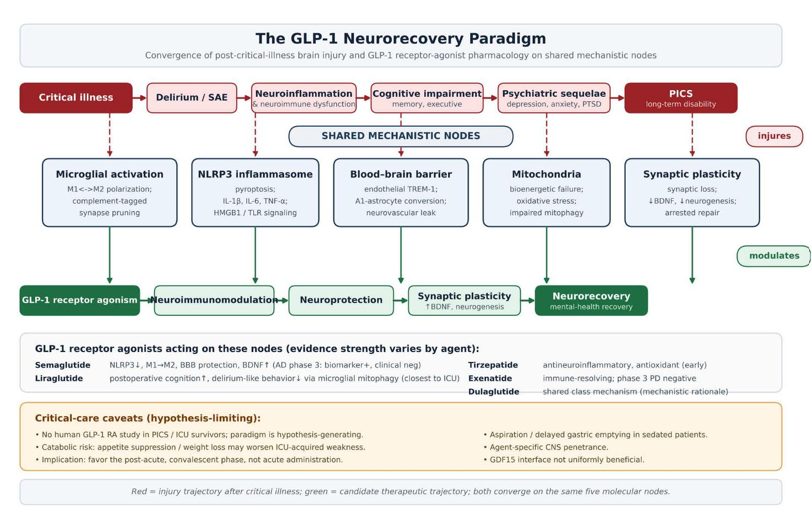
Figure 1: The GLP-1 Neurorecovery Paradigm.
FIGURE 3
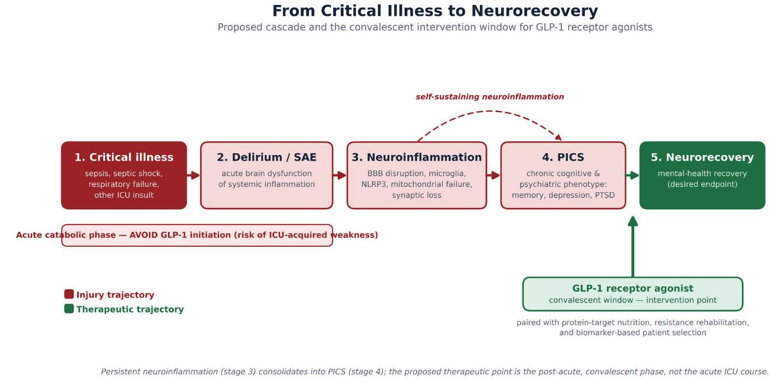
Figure 2: Proposed cascade from critical illness to neurorecovery and the convalescent intervention window.
Tables at a glance
Figures at a glance