
Development of a Smart Neuromuscular Stimulator Integrated with Massage Functionality
Received Date: June 06, 2026 Accepted Date: June 24, 2026 Published Date: June 27, 2026
doi:10.7303/jber.2026.10.101
Citation: Okoye Japhet Okwudili, Anikene Mosesrock Ofobuisi, Anthony Ifeanyi Egwuatu, Odetunde Daniel Segun, Afam Samuel Eneh (2026) Development of a Smart Neuromuscular Stimulator Integrated with Massage Functionality. J Biomed Eng Res 10: 1-15
Abstract
Neuromuscular stimulator embedded with a massager is a novel device combining Neuromuscular stimulation and massage. It is a revolutionary approach to muscle recovery and relaxation. This innovative device integrates a neuromuscular stimulator with a massager, providing a comprehensive solution for muscle recovery, relaxation and overall well-being. The device utilizes electrical impulses to stimulate muscle contractions, while simultaneously employing mechanical vibrations to massage the muscles. This dual-action approach enhances muscle recovery, reduces muscle soreness and promotes relaxation. The Neuromuscular Stimulator embedded with massager was designed with microcontroller to activate stimulation and massaging at different state control buttons. The key features of this device include neuromuscular stimulation where electrical impulses stimulate muscle contractions, improving muscle strength and tone, Massage where mechanical vibrations relax muscles, improve circulation and reduce muscle tension. Customizable settings where adjustable intensity, frequency and duration allow for personalized treatment. Portable and user-friendly, its compact design and intuitive interface enable easy use at home or on-the-go.
Keywords: Neuromuscular; Smart; Integrated stimulator; Massager; Muscles
Introduction
When nerves and muscles are stimulated using neuromuscular electrical stimulator (NMES), a therapeutic response is prompted. This can be very useful in the treatment of urinary stress incontinence, passive fecal incontinence, urge fecal incontinence, and unstable bladder. To advance pelvic floor muscles, it is recommended that NMES should be paired with biofeedback, pelvic floor muscle exercises, bladder drills, and medications to treat detrusor hypo- and hyperactivity. Physiology, motor rehabilitation, and cardiovascular conditioning are some of the fields of study that can benefit from neuromuscular electrical stimulation [1-4]. To assess muscle damage, electromyogram signals are regularly used. Also, they can be utilized in biofeedback training systems [5]. A testing tool known as oscilloscope can be used to examine and record muscle potentials. To monitor its electrical activity, electrodes can be inserted in skeletal muscles. This is possible because the human body is essentially a machine designed to function on bioelectric principles, particularly in the nerve endings found in cell-based tissue [6]. Consequently, various sensitive techniques, such as recognized electrophysiological electromyography (EMG) techniques for the diagnosis of neuromuscular diseases, are used to detect and measure neuro-fibre activity [7]. Electromyogram is a measurement tool that categorizes the invasive insertion of electrodes or conductive materials into the muscle both qualitatively and statistically (EMG). The cells that signal the neurological system are called neurons or nerve cells. These cells play a role in the production of action potentials and the movement of nerve impulses all along the body's length. Nerve cells are assumed to be the oldest and longest cells in the human body. Non-neuronal cells in the human brain, known as glial cells, support and shield these nerve cells. A massager, a hand-held device, vibrates the skin's surface. It is this vibration that is often used to promote relaxation and reduce physical tension. Most devices on the market are either mains- or battery-powered. For the purposes of this research, a neuromuscular stimulator with a massager combining both stimulation and vibration to boost relaxation and ease aches and pains has been put together. Transcutaneous electrical nerve stimulator (TENS), the most common non-invasive pain treatment used in busy medical institutions, has received praise from physiotherapists, nurses, and physicians for how simple it is to use [8]. TENS has been used by most non-clinical symptomatic people to treat osteoarthritis and manage symptoms of non-specific, acute, and chronic pain [9]. TENS is a painkiller used as well to ease the discomfort caused by neoplasms and non-union bone fractures. TENS is supposed to have antiemetic and tissue repair-promoting characteristics. Basically, the working principle of the device is intended to have dual effects on patients: electrical impulses capable of preventing pain signals from reaching the spinal cord and brain, as well as potential pituitary gland stimulation that might result in the production of endorphins. Solutions based on innovative strategies that take advantage of current advancements in science and technology are required to meet the new standards. Smart systems using recent developments in technology, gadgets, design methodologies, communication, and signal processing, will be critical in the future in this context. Smart systems and devices offer creative opportunities for products with superior features, such as a high level of quality and reliability, excellent static and dynamic performance, ease of handling and maintenance, and low costs, through technological measures of miniaturization and integration and implementation of efficient signal processing algorithms in embedded circuits as well as by networking devices. Signal processing is being moved away from the upper system and into distributed smart systems with more functionality and higher quality and reliability owing to low-cost analog-to-digital converters. Signals can be sent by means of communication technologies without markedly losing precision, regardless of the distance between the various components. Different digital signal processing facilities use fresh strategies to boost the qualities of their products. Different kinds of systems made up of sensors, actuators, a network, and a signal processing unit fall under the umbrella term "smart system." Humans can be used as a model for smart systems in various ways. His faculties are sensors while Actuators are his muscles. His brain serves as the central signal processing unit, while his nerves serve as a network for communication. Locally embedded analog or digital signal processing is the primary characteristic of a smart system that sets it apart from others. Several applications, such as robotics, the auto industry, smart homes, or generally mobile applications, have severe limits for weight or dimension, requiring increased miniaturization of smart systems. Smart systems that utilize gadgets, cutting-edge manufacturing techniques, and signal processing algorithms, whether dispersed or compact, offer potential technical solutions that considerably increase the quality, dependability, and economic effectiveness of technical products.
literature Review
The design of the stimulator is essential to produce small, low-power, and secure TENS. Numerous researchers have created small, low-power stimulators for a variety of applications. For implanted nerve stimulators, a current mirror circuit was frequently used [10-13]. It was easy to use, trustworthy, and small enough to be inserted into the nerve. This method only functions with low impedance since output voltage is constrained by input voltage. Human finger and body skin can have an impedance of up to 1 M when it is dry [14]. The strength and duration (SD) curve, a graph connecting the current intensity and the duration time it must flow to be active the neuron, states that the nerve is stimulated when the current intensity and duration time exceed that value [15]. The SD curve indicates that a high voltage stimulator is required to activate the nerve from the transdermal due to the high impedance. [15] examined the features of the SD curve and proposed a unipolar high voltage (> 300 V) capacitive discharge. The creation of a defibrillator that requires a high voltage of more than 300 volts will be aided by the findings of this study. On the other side, the high voltage can lead to electroporation, which might damage the cell [16]. Electroporation is a technique used in genetic engineering to introduce a substance that alters a small portion of coding deoxyribonucleic acid into a cell (DNA). Output voltages more than 300V must be avoided for electrical safety. An opto-isolated circuit was designed by [17] to protect the human body from the ground loop problem. [17] This technology's set output power makes high voltage output challenging to implement, which is one drawback. It is therefore not a suitable method for securing a transcutaneous stimulator to the epidermis.
A piece of clothing with integrated thermotherapy and a TENS unit was developed by [18] to help with uncomfortable menstruation. The study tried to use smart clothing to lessen uncomfortable menstruation, which keeps women from engaging in many social activities. The TENS device is designed as a belly band, making it invisible to onlookers when worn under outerwear. The size has been reduced, and it is connected to underwear for easy use anywhere and anytime. The limitation in minimization is the current issue, but as battery technology develops, we may anticipate far smaller goods in the future [18].
[19] described the layout and operation of a wireless wearable therapeutic device for pressure ulcer prevention. [20] claim that to create a pain treatment system with embroidered electrodes, technical improvement was not enough; it was also important to understand the problems that users of conventional TENS devices face. A user-friendly, textile-based electronic pain management device that may be used to treat common pain areas including the knee, elbow, and neck is the suggested product [20]. A smart glove made of e-fabric containing textile electrodes was developed by [21]. To connect to one end of a transmission line, use the conductive clip on one side of the electrodes [21]. There are several different types of electrodes used in electrotherapy, including metal, silicone, self-adhesive, special purpose, and textile electrodes [22]. To provide the highest level of patient safety, metal electrodes—thin tin or aluminum plates—are used in conjunction with viscose pouches and elastic bands. The excellent conductivity of these metals makes them very popular [22]. Silicone electrodes are made of silicone-protected carbon rubber or silicone-coated conductive silicone. Even when used frequently, they can be sanitized and have a long lifespan. For the best alignment, they need additional features like a viscose bag and an elastic belt because they don't have a layer that adheres to the skin [22]. These are used to electro stimulate the hands, feet, elbows, knees, and other joints. A piece of clothing with integrated thermotherapy and a TENS unit was created by [23] to assist ladies who have uncomfortable menstruation. The study tried to use smart clothing as a way to lessen uncomfortable menstruation, which keeps women from engaging in many social activities. The TENS device is designed as a belly band, making it invisible to onlookers when worn under outerwear. The size has been reduced, and it is connected to underwear for easy use anywhere and anytime. The limitation in minimization is the current issue, but as battery technology develops, we may anticipate far smaller goods in the future [18] Transcutaneous superficial electrical stimulation is used to treat muscular atrophy, muscle strength training, endurance training, pain management, functional movement therapy, and the restoration of motor function (TES). Using multichannel stimulation, the Keller team developed a novel TES method that allows for real-time spatial and temporal variations in electric current density on the skin's surface and deeper tissue layers. The described method can produce improved muscle selectivity and increased muscle activation patterns when compared to cutting-edge TES systems that work with fixed electrode locations. According to the study, it might provide strong enough wrist and finger straightening motions in post-stroke patients to offset flexion hyperactivity (Keller et al., 2006) [32].
Materials and Methods
Materials
Materials used for designing a smart neuromuscular stimulator embedded with a massager are divided into hardware component and software components presented in Table 3.1 are the hardware components used.
Software components
The software component of the neuromuscular stimulator embedded with a massager plays a pivotal role in coordinating the operation of the device. Developed using the Arduino Integrated Development Environment (IDE), the control logic was implemented in Arduino's proprietary ino format, which is based on C/C++ programming. This software governs how the microcontroller interacts with the hardware components to deliver electrical stimulation and activate the massaging function. It is a carefully structured control algorithm that modulates pulse width, frequency, and intensity of the electrical stimulation signals sent to the targeted neuromuscular areas. This is achieved by defining specific timing routines that control the high and low states of digital output pins, ensuring that pulses are delivered with precise intervals and durations. The massage function is also software-controlled, with the microcontroller programmed to trigger the vibration motor in timed bursts, simulating therapeutic massage cycles. This dual functionality allows the system to operate in different modes (stimulation-only or massage-only). User interaction is facilitated through a basic interface, like push buttons and indicator LEDs, through an LCD display. This interface provides feedback on current operation modes, pulse settings, and therapy durations, enhancing usability. The software ensures that stimulation parameters remain within safe physiological limits by embedding logic checks that prevent excessive voltage or current delivery, thereby safeguarding users against unintended harm.
Methods
The device is designed, fabricated according to design specifications, and tested for functionality. The methods employed include.
System Block Diagram
The block flow diagram for the designed smart neuromuscular stimulator embedded with a massager is presented in Figure 1.
At the center of the system is the microcontroller unit (MCU), which serves as the brain of the device. It is responsible for controlling the flow of operations based on the programmed instructions. The microcontroller receives input from the user interface, which may include push buttons, switches, or a rotary encoder, enabling the user to select therapy modes, adjust stimulation intensity, and control massage timing. Simultaneously, the microcontroller also controls the massage module, which consists of a vibration motor or similar actuator. The motor is activated in cycles depending on the selected massage mode. This dual operation allows the system to function in stimulation-only, massage-only, or combined mode, depending on the therapy required. The control of both subsystems is synchronized in software to ensure smooth operation without interference or conflict between the stimulation and massage routines. The entire system is powered by a regulated power supply unit, which ensures that the microcontroller and all peripheral components receive stable voltage and current required for reliable operation. Proper power management also protects sensitive electronics and the user from power surges or irregularities.
Algorithm Flowchart
The algorithm flowchart of the designed smart neuromuscular stimulator embedded with a massager is presented in Figure 2.
To aid in the design and validation of the circuit components, the Proteus simulation environment was utilized during the development phase. Proteus simulator provided a virtual platform for building, analyzing, and testing the electrical connections and logical behavior of the neuromuscular stimulator embedded with a massager. Before physical implementation, each part of the circuit, including the microcontroller interfacing, pulse generation module, massage actuator driver, and power supply network, was modeled and simulated to ensure functional accuracy and to minimize design errors. The simulation allowed for real-time visualization of signal flow, voltage levels, and component interaction under various conditions.
Assemblage of the component
The system assemblage begins with the integration of a 12V DC power adapter, which serves as the primary source of electrical energy for the entire neuromuscular stimulator embedded with a massager. Upon entering the circuit, this voltage is first conditioned using filtering capacitors to remove any ripples or noise, thereby ensuring a smooth and stable power supply. A voltage regulator is employed to step down the 12V to 5V, which is essential for powering the low-voltage components such as the Arduino Nano microcontroller, the LCD, and other circuitry control. The higher 12V line, however, is retained and directly used to drive components like the relay modules and the vibration motor, which require more current than what the 5V rail can supply. At the core of the system lies the Arduino Nano, programmed using the Arduino IDE with embedded logic that determines the device's operational behavior. Once powered, the Arduino interprets user inputs collected via push buttons and translates them into control signals that determine whether the massage, stimulation, or combined mode is activated. Visual feedback to the user is provided through an LCD display that shows the selected mode, intensity levels, and operational time.
Control signals from the Arduino are directed to switching transistors or driver circuits that energize specific relays. These relays act as the bridge between the low-power logic level of the microcontroller and the high-power actuation required by the massager and stimulator circuits. When the relay connected to the massager is activated, it allows 12V to flow to the vibration motor, producing the massage effect. Similarly, when stimulation is selected, the microcontroller triggers a pulse-generation routine. The resulting electrical pulses, modulated in terms of frequency, amplitude, and duration, are shaped and directed to the electrodes through a signal conditioning stage. These electrodes, applied to the user’s skin, deliver the therapeutic stimulation by inducing controlled muscle contractions. Both massage and stimulation functions are governed by synchronized timing routines coded into the microcontroller to ensure there is no interference or overlap. The entire setup, including the microcontroller, relays, capacitors, buttons, LCD, and power circuitry, is neatly housed within a protective enclosure. This enclosure not only shields the internal components from external damage and environmental factors but also presents a clean interface to the user, with access to controls and visible display output.
Results and Discussion
The designed smart neuromuscular stimulator with a massager was assembled and tested for functionality. Plate 1 and 2 shows components assembled on the Vero board and after installation.
The designed smart neuromuscular stimulator embedded with massager on stimulation mode (level 4) is represented in Plate 4.
The designed smart neuromuscular stimulator embedded with massager on massage mode (100%) is represented in Plate 5.
Functionality results of the designed smart neuromuscular stimulator embedded with a massager
To validate the electrical characteristics of the designed neuromuscular stimulator embedded with a massager, a digital multimeter (Fluke 87V) was employed to measure the output voltage and pulse frequency of the stimulator and massager. The goal of this test was to measure the output voltage and current across the output terminals where the stimulator signal is applied and to ensure that the vibration motor receives the appropriate voltage based on the selected user intensity levels and that it activates reliably in accordance with the control signals issued by the microcontroller.
The graph of user-selected intensity level against output pulse amplitude and frequency shows a direct correlation. As the user increases the stimulation level via the interface, the microcontroller adjusts the signal properties accordingly. This progressive rise in both amplitude and frequency ensures adaptable therapy tailored to individual needs and comfort. It also demonstrates the reliability of the microcontroller’s PWM logic and relay triggering mechanism in scaling the stimulator’s output based on programmed thresholds.
Bill of Engineering Measurement and Evaluation of the designed smart neuromuscular stimulator embedded with a massager
The costing of all the materials used in the development of the smart neuromuscular stimulator embedded with a massager is reviewed in Table 4.
Discussion
The design and fabrication of a smart neuromuscular stimulator embedded with a massager represents a significant advancement in personalized, non-invasive therapy systems, especially in rehabilitation and physiotherapy. This design integrates two core functionalities of electrical muscle stimulation and vibratory massage, into a compact, programmable system controlled via a microcontroller. Unlike traditional TENS (Transcutaneous Electrical Nerve Stimulation) or EMS (Electrical Muscle Stimulation) devices, this project not only focuses on therapeutic stimulation but enhances user comfort and effectiveness by combining it with massage therapy. This dual mechanism is an advancement on the design by Ashok, (2018) who designed and fabricated an electronic muscle stimulator by utilizing IC7555 and NE555 timer ICs to generate and control stimulation pulses. Rather than relying solely on analog ICs for timing and stimulation, the present design employs a microcontroller that not only generates programmable pulses with variable frequency and amplitude but also controls additional therapy features like vibration massage, thereby aligning with modern rehabilitation needs and user-centered therapy applications.
From the hardware architecture to the software control, every component has been carefully selected to reflect cost-effectiveness without compromising functionality. The microcontroller serves as the central control unit, interpreting user inputs and regulating output pulse characteristics such as frequency, amplitude, and duration. Its ability to synchronize the operation of both the stimulator and the massager ensures a smooth therapeutic cycle, minimizing interference while maximizing therapeutic outcomes. Unlike conventional designs where electrical stimulation and massagers are stand-alone devices, as shown the design from Nwobodo et al., (2023) and Ashok, (2018), this project consolidates both functionalities, reducing the bulk and cost of therapy equipment, making it more accessible to low-resource clinics and home users. A notable innovation in this work is the incorporation of a reverse-function transformer. Conventionally, transformers in biomedical devices are used for stepping down voltage and isolating current. However, in this design, the transformer is tactically employed in a reversed configuration to convert the regulated DC voltage back into AC signals. This is essential for mimicking the AC-like waveform required for muscle contraction. Such an approach bridges the limitation often encountered in microcontroller-based systems that operate on low voltage DC, offering a unique solution to generating physiologically effective stimulation currents.
Compared to previous publications, such as those focusing solely on TENS devices or standalone massage tools, this design stands out due to its integrative and programmable nature. Yalçinkaya, (2014), carried out a study on design of an embedded spinal cord stimulator, and focused more on analog circuit implementations or single-function therapy devices, often lacking the flexibility or user control embedded in this work. For example, Wang et al., (2010) carried out a design for EMS devices using fixed resistive circuits for pulse delivery, with limited user interface and no feedback mechanism. By contrast, this device allows users to adjust intensity, monitor the system status on an LCD, and switch between therapy modes, providing an enriched and personalized treatment experience. The use of Proteus for circuit simulation and testing prior to physical implementation adds reliability to the system. This not only ensures that errors are detected early but also allows for performance optimization before investing in components. Software simulation reduces costs, speeds up development, and increases the confidence level of the final implementation. In addition, the software part coded in Arduino INO provides the system with intelligent control and reusability. The firmware is structured to handle multiple user inputs, deliver responsive feedback via an LCD interface, and allow flexible operation modes. This embedded intelligence gives the device a modern edge and the potential for expansion in future work, such as incorporating Bluetooth control or biofeedback sensors.
Conclusion
The design and fabrication of a smart neuromuscular stimulator embedded with a massager has been successfully to meet the core objectives set out in this study. Therefore, the following conclusions were drawn. The neuromuscular stimulator embedded with a massager was successfully designed and fabricated using a microcontroller-based system. The device effectively delivers modulated electrical pulses for muscle stimulation with variable amplitude and frequency. A vibration-based massage module was integrated and functions independently. BEME shows the designed neuromuscular stimulator embedded with a massager offers a significant reduction (55.1%) in cost compared to a standard TENS (Transcutaneous Electrical Nerve Stimulation) machine. This design holds potential for use in rehabilitation, physical therapy, and muscle recovery, offering a modern solution to muscle stimulation therapy with greater flexibility and user control. The functionality test conducted on the neuromuscular stimulator embedded with a massager confirmed that the system operates as intended. The device successfully generated modulated electrical pulses with adjustable amplitude and frequency, meeting the therapeutic requirements for neuromuscular stimulation.
- Maffiuletti NA (2010) Physiological and methodological considerations for the use of neuromuscular electrical stimulation, European Journal of Applied Physiology, 110: 45-52.
- Taylor JA, Picard G and Widrick JJ (2011) Aerobic Capacity with Hybrid FES Rowing in Spinal Cord Injury: Comparison with Arms-Only Exercise and Preliminary Findings with Regular Training, PM R, 3: 817–24.
- Hodson-Tole EF, Loram ID and Vieira TMM (2013) Myoelectric activity along human gastrocnemius medialis: Different spatial distributions of postural and electrically elicited surface potentials, Journal of Electromyograpghy and Kinesiology, 23: 43–50.
- Angeli CA, Edgerton VR, Gerasimenko YP and Harkema SJ (2014) Altering spinal cord excitability enables voluntary movements after chronic complete paralysis in humans, Brain, 137: 1394–409.
- Imteyaz A, Ansari F, Dey UK (2012) A Review of EMG recording technique. International Journal of Engineering Science and Technology, 4: 530-9.
- Paul PA, Raúl ST, Juan CC, Muñoz del CT, Sulla-Torres J (2020) Design of an Electro-Stimulator Controlled by Bluetooth for the Improvement of Muscular Atrophy. International Journal of Advanced Computer Science and Applications, 11: 438-45.
- Mohamed K, Paula PW (2017) History of electromyography and nerve conduction studies: A tribute to the founding fathers. Journal of Clinical Neuroscience, 1-7.
- Brett W (2013) A Review of Pulsed Electromagnetic Field (PEMF) Mechanisms at a Cellular Level: A Rationale for Clinical Use. American, Journal of Health Research. 1(3), 51-5.
- Michael JH, Philip JS, Rajesh M (2016) Physiology of Pain, "Foundations of Anesthesia", second edition, 34-56.
- Lee SY, Lee SC and Chen JJJ (2004). VLSI Implementation of Implantable Wireless Power and Data Transmission Micro-Stimulator for Neuromuscular Stimulation,” IEICE Trans. Electron., E87-C: 1062–8.
- Sivaprakasam M, Wentei L, Humayun MS, Weiland JD (2005) A variable range bi-phasic current stimulus driver circuitry for an implantable retinal prosthetic device, IEEE J. Solid-State Circuits., 40: 763–71.
- Ghovanloo M and Najafi K (2005) A compact large voltage-compliance high output-impedance programmable current source for implantable micros- timulators, IEEE Trans. Biomed. Eng., 52: 97–105.
- Terasawa Y, Uehara A, Yonezawa E, Saitoh T, Shodo K, Ozawa M, Tano Y and Ohta J (2008) A visual prosthesis with 100 electrodes featuring wireless signals and wireless power transmission, IEICE Electron. Express, 5: 574–80.
- Hee JP, Sang HW, Zia MUD, Myoung NK, Jin HC (2009) Design and implementation of wireless transcutaneous electrical nerve stimulator (TENS) for smart phone. Electronic express, 22: 1587-94.
- Reilly JP and Larkin WD (2015) Electro-cutaneous Stimulation with High Voltage Capacitive Discharges, IEEE Trans. Bio-Med. Eng., 30: 631–41.
- John C, Mary, CS and Dennis N (2006) Electrical Safety Handbook, third edition, McGRAW-HILL, NY.
- Woodward W (2008) Optically isolated precision bipolar current source, Electronic Design, 130–2.
- Lee WJ, Um SH (2009) R and D of Smart wear built-in TENS device for relief of dysmenorrhea. Research Journal of Costume Cult. 17: 320–9.
- Nisar H, Malik AR, Asawal M, Cheema HM (2016) An electrical stimulation based therapeutic wearable for pressure ulcer prevention. In Proceedings of the IEEE EMBS Conference in Biomedical Engineering and Sciences (IECBES), Kuala Lumpur, Malaysia, 4–8.
- Goncu G, Berk (2018) Design of a wearable pain management system with embroidered TENS electrodes. International Journal of Clothing, Science and Technology, 30: 38–48.
- Kim RH, Cho G (2013) Effectiveness of the smart healthcare glove system for elderly persons with hypertension. Hum. Factors Ergon. Manuf. Serv. Ind., 23: 198–212.
- Ewa, Papuć, Konrad R (2013). The role of neurostimulation in the treatment of neuropathic pain. Ann Agricultural and Environmental Medicine, 1: 14–7.
- Lee SY, Im SH, Kim BR, Choi JH, Lee SJ, Han EY (2012) The Effects of Neuromuscular Electrical Stimulation on Cardiopulmonary Function in Healthy Adults. Ann. Rehabil. Med. 36: 849–56.
- Keller T and Kuhn A (2008) Electrodes for transcutaneous (surface) electrical stimulation. Journal of Automatic Control, 18: 35‒45.
FIGURE 1
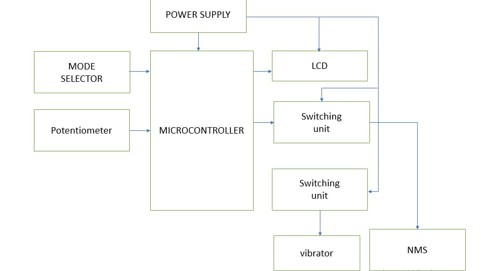
Figure 1: Block flow diagram for the designed smart neuromuscular stimulator embedded with a massager
FIGURE 2
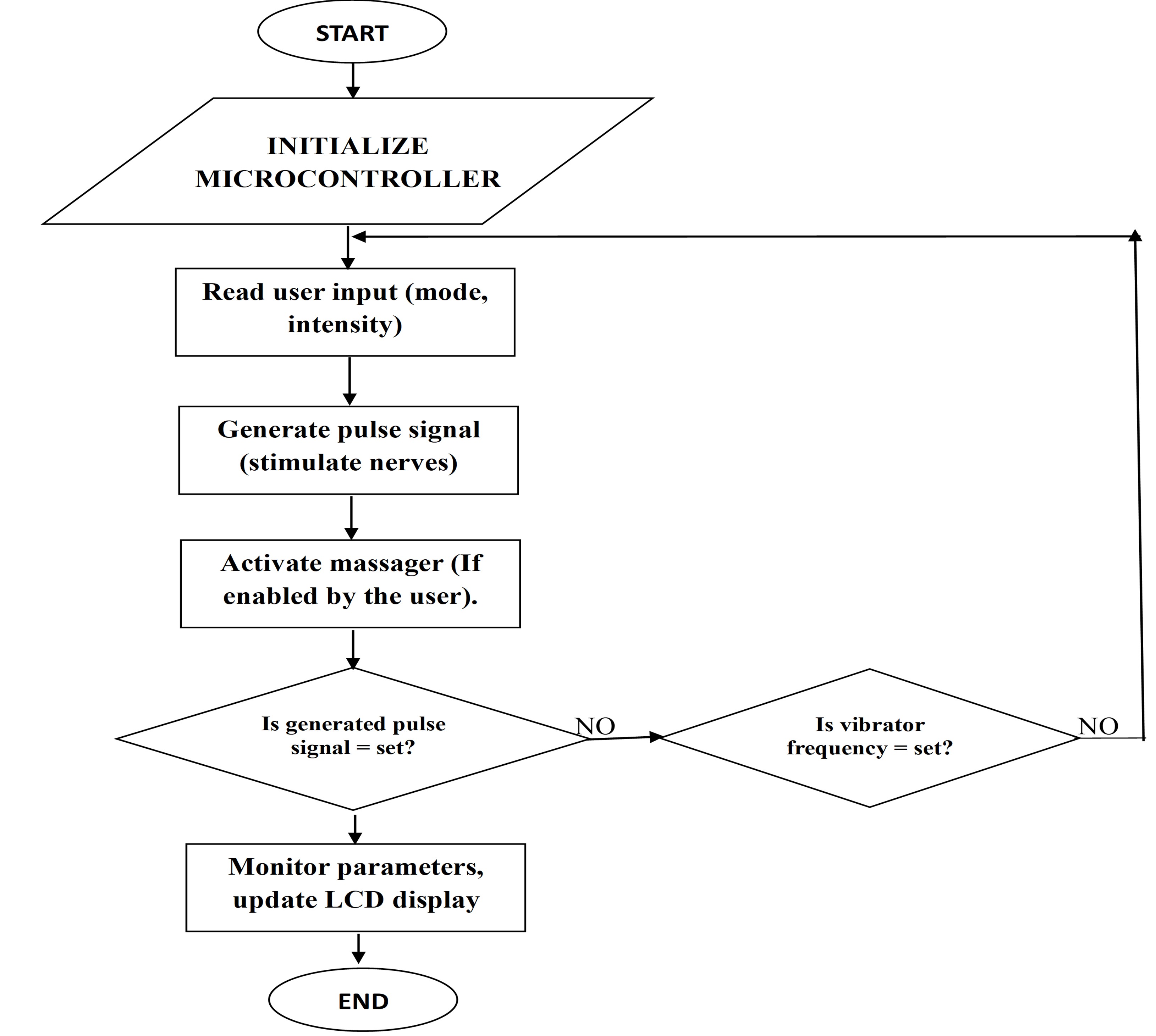
Figure 2: Algorithm flowchart of the designed smart neuromuscular stimulator embedded with a massager
FIGURE 3
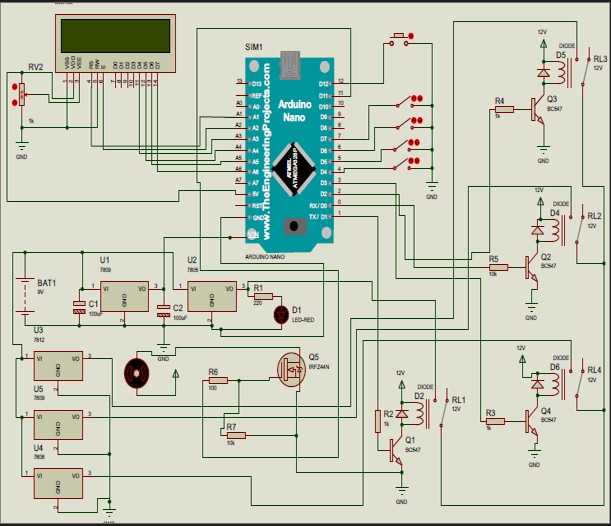
Figure 3: Circuit diagram of the designed smart neuromuscular stimulator embedded with a massager
FIGURE 4
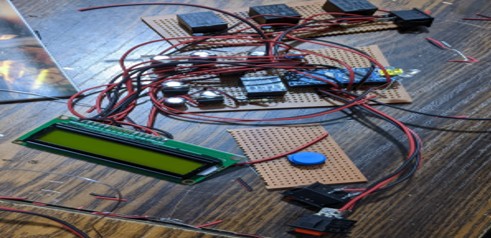
Plate 1: shows components assembled on the vero board before installation
FIGURE 5
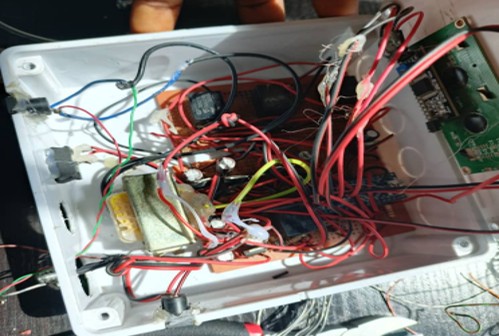
Plate 2: shows complete component installation
FIGURE 6
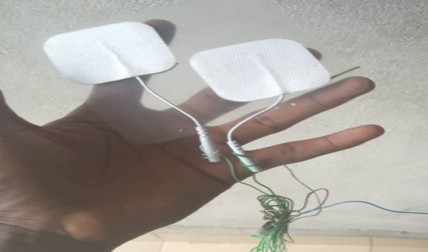
Plate 3: Electrodes of the designed smart neuromuscular stimulator
FIGURE 7
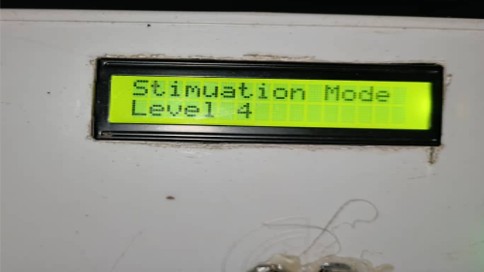
Plate 4: Designed smart neuromuscular stimulator embedded with massager on stimulation mode (level 4)
FIGURE 8
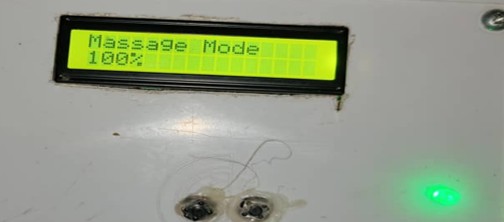
Plate 5: Designed smart neuromuscular stimulator embedded with massager on massage mode (100%)
FIGURE 9
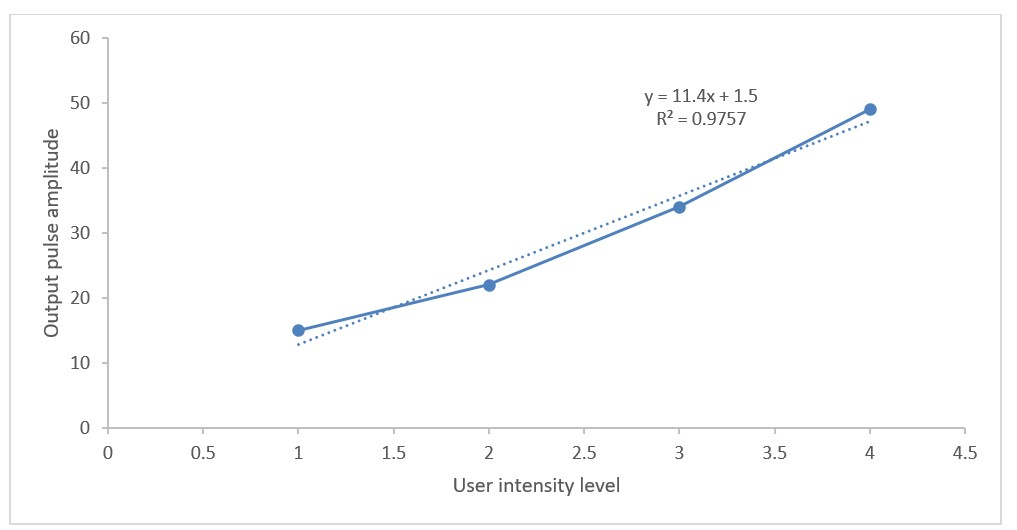
Figure 4: Output pulse amplitude vs user intensity level on stimulator
FIGURE 10
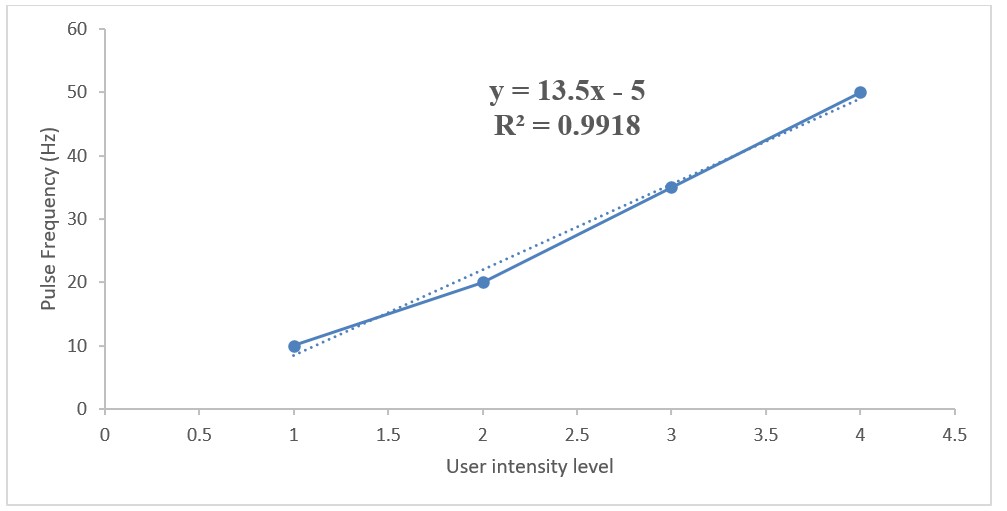
Figure 5: Pulse Frequency (Hz) vs user intensity level on stimulator
FIGURE 11
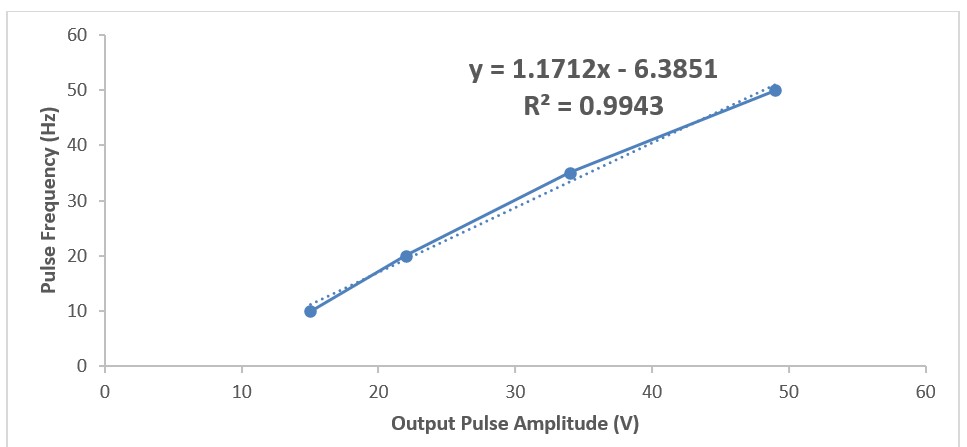
Figure 6: Pulse Frequency (Hz) vs output pulse amplitude on stimulator
FIGURE 12
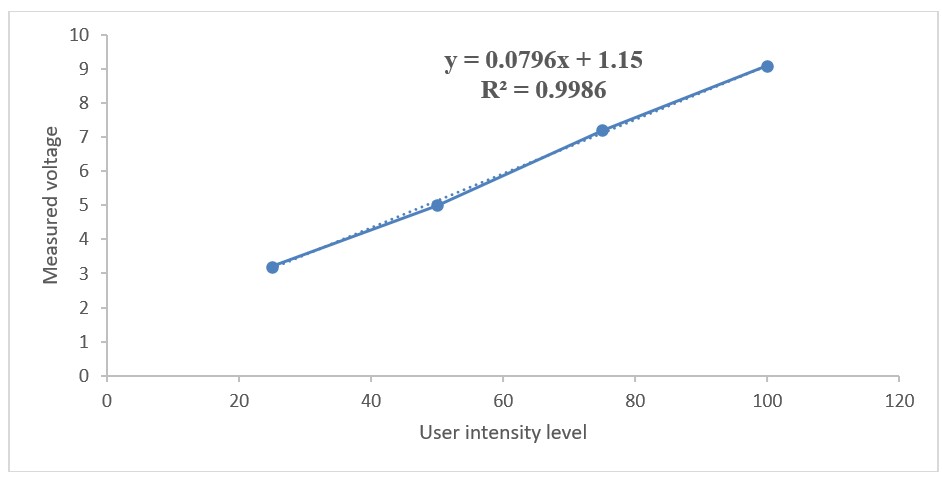
Figure 7: Measured voltage vs user intensity level on massager at different user intensity level
Tables at a glance
Figures at a glance