
Biomedical Versatile of Lavandula x Intermedia Essential Oil; A Plant Exotic to Poonch Azad Jammu Kashmir and Pakistan
Received Date: November 14, 2025 Accepted Date: December 02, 2025 Published Date: December 06, 2025
doi:10.17303/jber.2025.9.104
Citation: Sardar Irfan Mehmood, A El-Shabasy, Zeenat Jannat, Muhammad Ali, Majid Mehmood, Muhammad Shafiq Khan, Zia Ur Rehman, Khalid M Elazab, Mona S Ashoor (2025) Biomedical Versatile of Lavandula x Intermedia Essential Oil; A Plant Exotic to Poonch Azad Jammu Kashmir and Pakistan. J Biomed Eng Res 9: 1-11
Abstract
Lavandula x intermedia is an important medicinal plant indigenous to Mediterranean region. There is little information about cultivation of exotic lavender in Azad Kashmir. The main theme of this research is to investigate growth patterns of L. x intermedia in different types of soil in local area and to check chemical composition of its essential oil. Few plants were acquired from Bio-resources Conservation Institute (BCI) Islamabad. These plants were planted and propagated in Botanical Repository at Govt. Boys Post Graduate College Abbaspur AJK. Essential oil was distilled from flowers of plants by hydro distillation method. After that essential oil was analyzed by GC-MS assay. Sixteen compounds were identified. Three major compounds including Linalool, Bicyclo [2.2.1] heptan-2-one,1,7,7-trimethyle-,and Eucalyptol were observed while other were also reported in significant quantities. Up till now it is first investigation reporting about cultivation and chemical screening of essential oil of exotic lavender which has been cultivated locally in Azad state of Jammu and Kashmir.
Keywords: Azad Kashmir, Exotic, Essential Oil, Medicinal and Aromatic Plants, Maps
Introduction
Utilization of lavender oil in food industry is prominent due to its aromatic and antimicrobial properties [1]. About three thousands types of essential oils are currently reported from the world. Among them three hundred are used in different types of industries like food, cosmetic, sanitary, agronomy and pharmaceutical [2]. Essential oils which are obtained from different parts of plant like flowers, leaves, twigs, buds and seeds by stem distillation, extraction fermentation and expression are famous for their flavor, perfume and preservatives characteristics [3]. L.x intermedia, commonly called Lavandin, a hybrid lavender is commercially important and is mostly cultivated species [4].
Lavender essential oil is important among all types of essential oils extracted from different species of lavender plant. Lavandula latifolia, L.angustifolia, Lavandula stoechas and L.x intermedia (a sterile cross between L. latifolia and L. angustifolia) are common species of lavender. In many countries of the world like Spain, China, England, France and Bulgaria lavender plant is widely cultivated for essential oil production. Bulgaria has become toper lavender producing country leaving France behind. During last ten years lavender cultivation and processing have great attraction in Bulgaria [5]. Several compounds like 1, 8 cineole, camphor, borneol, fenchol, α-pinene, β-pinene, trans-pinocarol and linalool were investigated as major ingredients in lavender essential oil in plants cultivated in Saudi Arabia, Spain, Algeria, Turkey and Morocco. Compound composition within lavender oil vary with cultivation and harvesting time technology [6]. The main chemical ingredients of flowers and leaves essential oil of lavender are 1.8-cineole, camphor, borneol, myrtenal and α-terpineol [7]. The chemical composition of lavender plant changes with change in sun radiations and temperature [8]. Lavender essential oil world widely is used in integrative system of medicine and aromatherapy due to its effectiveness for treatment of insomnia, anxiety and hair loss [9]. Lavender plant is widely used in pharmaceutical and perfumery industries as fragrance, antiseptic, antidepressant, antiviral, antibacterial, anti-inflammatory and anticonvulsive. In alternative medicine usage of lavender essential oil for improvement of central nervous system has been supported by clinical trials [10]. Lavender is a versatile medicinal and aromatic plant of great significance in modern pharmaceutical industries and modern perfumery. Lavender essential oil and extract are potential natural medicine having antimicrobial, antifungal and antioxidant activities [11]. Lavender has been commonly used in herbal formulations and treatments inhuman history. Lavender oil is used in perfumes, ointments, cosmetics. Taking internally it is also useful in depression, anxiety, headaches, insomnia, indigestion, stomach upset, and loss of appetite and as mouthwash and air fresheners [12]. Local cultivation, oil extraction and identification of compounds from lavender will be useful for pharmaceutical and cosmetic industry. Further this work will paved the way for research on more aromatic plants from local area.
Material and Methods
Plant Material
Potted plants were acquired from Bio-resources Conservation Institute (BCI) Islamabad and identified with help of Flora of Pakistan. Specimen was deposited at Azad Jammu Kashmir Medicinal and Aromatic Plant Herbarium (AJKMAPH) with issued Voucher no AJKH 7420 which can be accessed at https://www.kashmirmedicinalflora.com.
Cultivation
Four types of soils clay, loamy, sandy and gravel were selected to check cultivation pattern of lavender plant. Each type of soil was filled in 12 inch deep well. In Feb.2021 plants were planted in wells having specific soil types and were labeled properly i.e. clay soil (CS), gravel soil (GS), sandy soil (SS) and loamy soil (LS) respectively. Plants were grown and maintained at Botanical repository of Govt. College Abbaspur AJK. Plant height was measured in Sep.2021. Whole plants which raised on different types of soil were harvested and their fresh and dry weights were measured following the previous reported protocol [13].
Automatic weather system installed at regional office of Agricultural Department AJK was used to record values of climatic factors including temperature, sunlight and relative humidity. Minimum and maximum values of all these factors were taken from February-July 2021. Experiment was done in triplicate and average values of all climatic factors were calculated to investigate their effects on lavender growth in different types of soil.
Essential Oil Distillation
For oil extraction fresh flowers were collected in June 2021. Hydro distillation which is a certified method was used for extraction of essential oil [14, 15]. The flowers were shade dried at 30°C for 5 days keeping in wooden tray. Dried flowers were put into a cotton box and kept in a dark glass bottle at 20°C. Finally aromatic oil was distilled from flowers using Clevenger distillation equipment at Govt. College Laboratory. 25 grams of dried flowers were put into Clevenger equipment and 0.5L distilled water was also added one by one and aromatic oil was isolated for 1 hour. After one hour no more essential oil was obtained.
Gc-Ms Assay
Biochemical profiling of lavender oil was done by using GC-MS protocol with GCMS-QP2010 Plus, Shimadzu Company, Japan, Cat. No. C184-E019 with specification of flame ionization detector (FID) and capillary column. Stainless steel column consist of two parts stationary phase and tubling with 0.25 µm film width and DB-5 MS 30 m × 0.25 mm inner diameter (ID) were utilized during GC-MS operation. Flame ionization detector FID-2010 Plus having digital pressure controller with following specification electrode: cylindrical, electrode voltage: ±200V, dynamic range: 107 minimum detected quantity: GC-2010/2010 Plus: 1.5pgC/s, maximum operating temp: GC-2010: 450°C and nozzle: made of quartz was used during experiment [16]. At initial stage temperature of column oven was maintained at 40-90°C with rate of 2°C/min. After that temperature was raised from 90°C-240°C at rate of 3°C/min. For 5 minutes final temperature was set constant. Detector and injector temperatures were sustained at 280°C and 240°C, respectively. 100% pure extracted lavender oil was used without dilution. Split mode ratio 1:5 was used for injection of 0.5 µl lavender oil. Helium gas was utilized as carrier gas at rate of 1ml /minute. Electron ionization mode at 70eV was applied for GC-MS operation. Mass units were checked from 35 to 500 AMU. Quantity of oil ingredients was measured by unification of peak areas. Correction factors were not used. Samples of oil were run in triplicate pattern. Linalool 97%Sigma Aldrich was used as standard curves. Retention time for compound of interest along x-axis and abundance area under peaks which showed concentration of sample ingredients along y-axis were used to construct standard curve. Curves were constructed by running lavender oil then plotting retention time of its each compound against its concentration. These points indicated standard curves. Two compounds did not share same standard curve. Retention times and peaks areas were automatically recorded through data system. Lavender volatile oil ingredients were analyzed by computerized searching tools by utilization mass spectra with already investigated chemical constituents [17]. It was carried out by comparing of the mass spectra of identified compounds and Wiley/NIST database mass-spectrum library [18].
Statistical Analysis
The degree of co-variation in the studied data was determined by looking at correlations. The Simple Linear Regression (SLR) equation was used to display the associated data as dispersed plot graphs [19].
Results
The effect of soil types in local environmental conditions was examined during this research work. Measurement of plant height in four selected soil types including gravel, loamy clay and sandy revealed that in gravel soil plant showed maximum increase in height GS:32, LS:20, SS:16 and CS:12 cm followed by loamy, sandy and clay soil respectively. Results showed that gravel soil was a suitable medium for lavender growth. However, plant growth was slow in clay soil as shown in (Figure.1). Results revealed that constant average climatic conditions favor maximum fresh and dry weight in gravel soil followed by loamy, sandy and clay soil. Similarly more number of bunches were observed in gravel soil (30) followed by loamy (20) in sandy (13) and in clay soil (6) respectively under moderate climate conditions in study area. Findings are summarized in (Table 1 and Figure.2).
Gc-Ms Assay
Gas Chromatography and Mass Spectrometry investigations of tested lavender oil showed sixteen compounds in lavender essential oil. Peak number, retention time and percentage of each identified compound were recorded. GC-MS analysis showed that among these compounds Linalool is present with highest percentage (35 %) followed by Bicyclo [2.2.1] heptan-2-one, 1, 7, 7-trimethyle-, (IS)-(23%) and Eucalyptol (19.9%) respectively elaborated in (Table 2). Major component reported from lavender oil is Linalool which has good antibacterial, anti-inflammatory and wound healing characteristics. Furthermore, Bicyclo [2.2.1] heptan-2-one, 1, 7, 7-trimethyle-, (IS)-(23%) possess good antifungal, antibacterial and antioxidant properties. Third major component of oil is Eucalyptol which also has antimicrobial, antiseptic, anti-inflammatory, fungicidal and expectorant properties.
All these compounds have antimicrobial properties due to presence of phenol groups. Sixteen curves were generated for sixteen compounds which were detected in essential oil of lavender. Chromatogram of essential oil is illustrated in (Figure.3). Presence of higher percentage of Linalool and Eucalyptol in lavender oil indicated that lavender essential oil has significant value for pharmaceutical industry.
Statistical Analysis
Pearson’s correlation coefficient analysis expressed the highest correlated data between Gravel and Loamy soils on the contrary, clay and sandy soils exhibited the less correlation. In terms of Simple Linear Regression equations, clay was positive regressed among all other types of soil except sandy one (Table 3, Figure. 4).
Discussion
Soil type and local climate are main sources for global distribution and adaption of plant species from one part of world to other part. Similar studies found that soil properties and climatic factors are significant for lavender cultivation, survival and its adaptability in new regions of the world. Jammu Kashmir state with various ecological zones is a suitable place for lavender cultivation [20]. According to previous studies lavender is an ideal cash crop in gravel and sandy soil with little irrigation [21]. In our study area, clay soil exhibited higher affinity than any other types of soil to confirm that it is the best choice for high quality biochemical products. Moderate climatic factors including average temperature, humidity and photoperiod favored for lavender cultivation. These factors are potent indicators of lavender adaptation to local climate. Average climatic conditions temperature (200C-300C), sun shine (6-7 hours per day W/m2) and relative humidity (20-25%) of study area support lavender growth for all types of soils. But maximum plant height, fresh and dry weights and number of bunches were observed in gravel soil. It was revealed that selected average climatic conditions of study area along with gravel type soil is suitable for cultivation of lavender.
Present investigations are in agreement to several studies based on local adaptation of lavender plant in new regions indicating that plant population have potential of local adaptation [22]. Growth of a plant is affected directly or indirectly by soil type [23]. Results that soil types and climatic conditions affect lavender growth and propagation. Gravel soil promoted lavender cultivation followed by loamy soil. In sandy and compact clay soil plant growth is slow. Gravel soil having higher calcium content due to its chalky and pours nature might be the reasons for better growth of this plant. Calcium content cause increase in plant growth reported by [24]. Gravel soil due to drainage ability is considered good for lavender cultivation [25]. Similar studies were conducted showing that lavender thrives well in drained soils. Poor drainage of soil kills lavender plant [26].
During present study we observed proof for regional adaptability of lavender grown in gravel and loamy soil types. In contrast, there is little evidence for its adaptation in clay and sandy soils. From the results we concluded that nature of soil type has important association with lavender adaptation in new area under specific environmental factors. Lavender growth response to soil and climate factors has associative effect in study area. A detailed investigation showed that dimethyl vinyl hexenyl butyrate was the major ingredient of lavender oil (43.73%), followed by the octatriene dimethyl (25.10%), eucalyptol (7.32%) and camphor (3.79%) [27]. our study showed resemblance with earlier studies which reported that lavender oil was composed of compounds having linalyl acetate and linalool in significant amount [28]. Results showed that major compounds are present in reasonable quantity in tested oil indicating that locally distilled oil is of good quality. High quantity of linalool in oil be due to moderate climatic condition of study area [29].
The variability in chemistry of lavender oil was low and it might be due to the dissimilarity in geographical region, microclimate, plant genotype, elevation, growth and oil extraction procedures. Indeed, present study demonstrated that (GC-MS) biochemical profiling is an important analytic technique to assess quality of lavender oil and can be used for commercialization of this lavender oil based on chemical analysis in local areas [30, 31].
Biomedical Values for the Most Common Phytochemical Ingredients
Pinene is reported as the most pharmacological factor that includes anticoagulant, antibiotic resistance modulation, antimicrobial, antitumor, anti-inflammatory, anti-malarial, anti-Leishmania, analgesic and antioxidant properties [32].
Linalool has a positive activity on the peripheral and central nervous systems especially on neuroendocrine and monoaminergic regulations as antidepressant factor. It has other medicinal agents like oxidative stress, inflammatory process and neurotrophic mechanisms [33].
Eucalyptol is 1, 8-cineole that has medicinal values due to presence of array of active components. It has antimicrobial, anti-inflammatory, bronchodilatory, pro-apoptotic and analgesic properties. It can be used in treatment of variety of respiratory disorders like rhinosinusitis, asthma, chronic obstructive pulmonary disease and bronchitis. There are other systematic diseases that Eucalyptol includes in cure dose like diabetes mellitus, diarrhea, peptic, epilepsy, ulcer, cardiac diseases besides depression and psychological disorders [34].
Caryophyllene oxide possesses the vital medicinal effects on the development of cancer proliferation. It can alter the action metabolic keys of several cancer pathways like STAT3, PI3K, S6K1 etc. by inhibition of gene expression and increasing proapoptotic actions [35].
Camphor is regarded the real remedy for different common diseases related to toxicological origin. It relieves the toxic effects from other poisonous sources [36].
Conclusion
This is first cultivation report of exotic lavender in Azad Kashmir. Investigation revealed that gravel soil and moderate climate favor lavender cultivation. Sixteen compounds were identified from lavender oil through GC-MS analysis. Three are found in higher quantity including linalool, Bicyclo [2.2.1] heptan-2-one, 1, 7, 7-trimethyle-, (IS) - and eucalyptol with 35.58%, 23% and 19% respectively. Finally, this research work recommends that the agro-climatic conditions of study area are suitable for cultivation lavender and provide opportunity for local communities for industrial exploitation of this plant.
- Kıvrak Ş (2018) Essential oil composition and antioxidant activities of eight cultivars of Lavender and Lavandin from western Anatolia. Industrial Crops and Products. 117: 88-96.
- Bakkali F, Averbeck S, Averbeck D, Idaomar M (2008) Biological effects of essential oils–a review. Food and chemical toxicology. 46: 446-75.
- Burt S (2004) Essential oils: their antibacterial properties and potential applications in foods-a review. International journal of food microbiology. 94: 223-53.
- Cavanagh HM, Wilkinson JM (2022) Biological activities of lavender essential oil. Phytotherapy research. 16: 301-8.
- Stanev S, Zagorcheva T, Atanassov I (2016) Lavender cultivation in Bulgaria-21 ST Century developments, breeding challenges and Opportunities. Bulgarian Journal of Agricultural Science. 22: 584–90.
- Bousmaha L, Bekkara FA, Tomi F, Casanova J (2005) Advances in the chemical composition of Lavandula dentata L. essential oil from Algeria. Journal of Essential Oil Research. 17: 292-95.
- Chrysargyris A, Panayiotou C, Tzortzakis N (2016) Nitrogen and phosphorus levels affected plant growth, essential oil composition and antioxidant status of lavender plant (Lavandula angustifolia Mill.). Industrial Crops and Products. 83: 577-86.
- Zheljazkov VD, Cantrell CL, Astatkie T, Jeliazkova E (2013) Distillation time effect on lavender essential oil yield and composition. Journal of Oleo Science. 62: 195-9.
- Soltani R, Soheilipour S, Hajhashemi V, Asghari G, Bagheri M, Molavi M (2013) Evaluation of the effect of aromatherapy with lavender essential oil on post-tonsillectomy pain in pediatric patients: a randomized controlled trial. International journal of pediatric otorhinolaryngology. 77: 1579-81.
- Danh LT, Han LN, Triet ND, Zhao J, Mammucari R, Foster N (2013) Comparison of chemical composition, antioxidant and antimicrobial activity of lavender (Lavandula angustifolia L.) essential oils extracted by supercritical CO 2, hexane and hydro distillation. Food and bioprocess technology. 6: 3481-89.
- Erland LA, Mahmoud SS, Lavender (Lavandula angustifolia) oils (2016) In Essential Oils in Food Preservation, Flavor and Safety. Academic Press. 501-8.
- Katona JM, Sovilj VJ, Petrovi LB (2010) Microencapsulation of oil by polymer mixture-ionic surfactant interaction induced coacervation. Carbohydrate Polymers. 79: 563-70.
- Garg J, Kumar A (2012) Effect of different soil types on growth and productivity of Euphorbia lathyris L. A hydrocarbon yielding plant. Int J Life Sci Pharm Res. 2: 164-73.
- Zeng QH, Zhao JB, Wang JJ, Zhang XW, Jiang JG (2016) Comparative extraction processes, volatile compounds analysis and antioxidant activities of essential oils from Cirsium japonicum Fisch. ex DC and Cirsium setosum (Willd.) M. Bieb. LWT-Food Science and Technology. 68: 595-605.
- Gavahian M, Farahnaky A, Javidnia K, Majzoobi M (2012) Comparison of ohmic- assisted hydrodistillation with traditional hydrodistillation for the extraction of essential oils from Thymus vulgaris L. Innovative Food Science & Emerging Technologies. 14: 85-91.
- Baser KH, Özek T, Konakchiev A (2005) Enantiomeric distribution of linalool, linalyl acetate and camphor in Bulgarian lavender oil. Journal of Essential Oil Research. 17: 135-6.
- Adam KL (2006) Lavender production, products, markets, and entertainment farms. ATTRA-National Sustainable Agriculture Information Service.
- China Pharmacopoeia Committee (1999) Pharmacopoeia of the People’s Republic of China the First Division of 2000 Edition, Beijing: China Chemical Industry Pres. 60.
- Abdullah Mashraqi, Mohamed A. Al Abboud, et al. (2025) Correlation between antibacterial activities of two Artemisia spp. extracts and their plant characteristics. J. Biol. Methods. 12: e99010057.
- Santamaría L, Figuerola J, Pilon JJ, Mjelde M, Green AJ, et al. (2003) Plant performance across latitude: the role of plasticity and local adaptation in an aquatic plant. Ecology. 84: 2454-61.
- Aprotosoaie AC, Gille E, Trifan A, Luca VS, Miron A (2017) Essential oils of Lavandula genus: a systematic review of their chemistry. Phytochemistry Reviews. 16: 761-99.
- Stanev S (2010) Evaluation of the stability and adaptability of the Bulgarian lavender (Lavandula angustifolia Mill.) sorts yield. Agricultural science and Technology. 2: 121-3.
- Maron JL, Vilà M, Bommarco R, Elmendorf S, Beardsley P (2004) Rapid evolution of an invasive plant. Ecological Monographs. 74: 261-80.
- Singh NT, Tomer VS (1982) Soil-water plant relationship. In Proc. 12th International Congress of Soil Science: Review of soil research in India. 1: 3-27.
- Mizuno S (1960) Physiological Studies on the Fructification of Peanut: 3. The most beneficial period of calcium supply and changes of carbohydrates in the fruit at its filling period. Japanese Journal of Crop Science. 29: 169-71.
- Pokajewicz K, Czarniecka-Wiera M, Krajewska A, Maciejczyk E, at al. (2023) A Bastard Lavender or a Plant of Many Values? Part I. Biology and Chemical Composition of Lavandin. Molecules. 2023; 228: 2943.
- Piskernik S, Jeršek M, Klančnik A, Smole Možina S, Bucar F, Jeršek B (2022) Chemical composition and antimicrobial activity of essential oils made from Lavandula x intermedia from Hvar (Croatia). Natural Product Research. 20: 1-5.
- Hui L, He L, Huan L, XiaoLan L, AiGuo Z (2010) Chemical composition of lavender essential oil and its antioxidant activity and inhibition against rhinitis-related bacteria. African Journal of Microbiology Research. 18: 309-13.
- Venskutonis PR, Dapkevicius A, Baranauskiene M (1997) Composition of the essential oil of Lavender (Lavandula angustifolia Mill.) from Lithuania. Journal of essential oil research. 9: 107-10.
- Shawl AS, Kumar S (2000) Potential of lavender oil industry in Kashmir. Journal of Medicinal and Aromatic Plant Sciences. 22: 319-21.
- Prusinowska R, Śmigielski KB (2014) Composition, biological properties and therapeutic effects of lavender L). A review. Herba polonica. 60: 56-66.
- Bahare S, Shashi U, Ilkay EO, Arun KJ, Sumali LDJ, Daniel AD, et al. (2019) Therapeutic Potential of α- and β-Pinene: A Miracle Gift of Nature. Biomolecules. 9: 738.
- Everton RQ, dos Santos, Jose GS Maia, Eneas A, et al. (2022) Linalool as a Therapeutic and Medicinal Tool in Depression Treatment: A Review. Current Neuropharmacology. 20: 1073-92.
- Cosima C Hoch, Julie Petry, Lena Griesbaum, Tobias Weiser, Kathrin Werner, et al. (2023) 1,8-cineole (eucalyptol): A versatile phytochemical with therapeutic applications across multiple diseases. Biomedicine & Pharmacotherapy. 167: 115467.
- Klaudyna Fidyt, Anna Fiedorowicz, Leon Strza˛dała, Antoni Szumny (2016) β-caryophyllene and β–caryophyllene oxide natural compounds of anticancer and analgesic properties. Cancer medicine. 1-11.
- Paolo Z, Giulio S (2009) Camphor: benefits and risks of a widely used natural product. Acta Biologica Szegediensis. 53: 77-82.
FIGURE 1
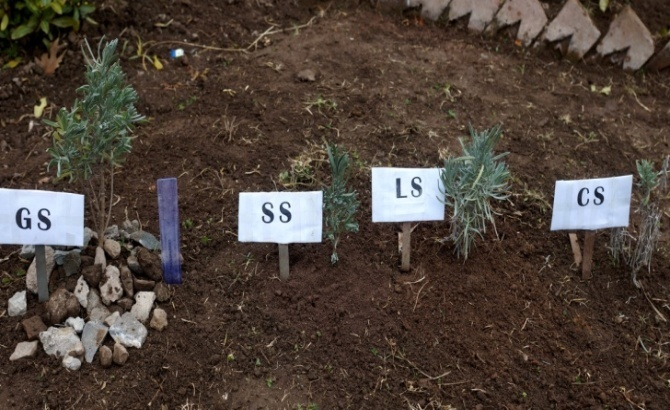
Figure 1: Cultivation of Lavander in Different Soil Types
GS (Gravel soil) SS (Sandy soil) LS (Loamy soil) CS (Clay soil)
FIGURE 2
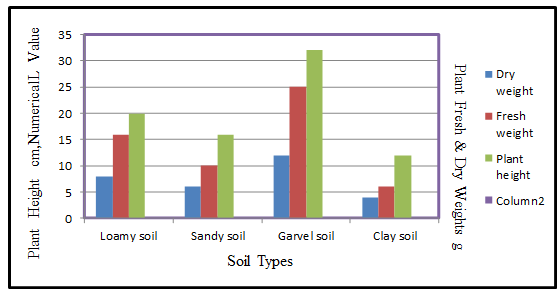
Figure 2: Graphical Representation of Effect of Soil Types on Growth of Lavender Plant in Study Area
FIGURE 3
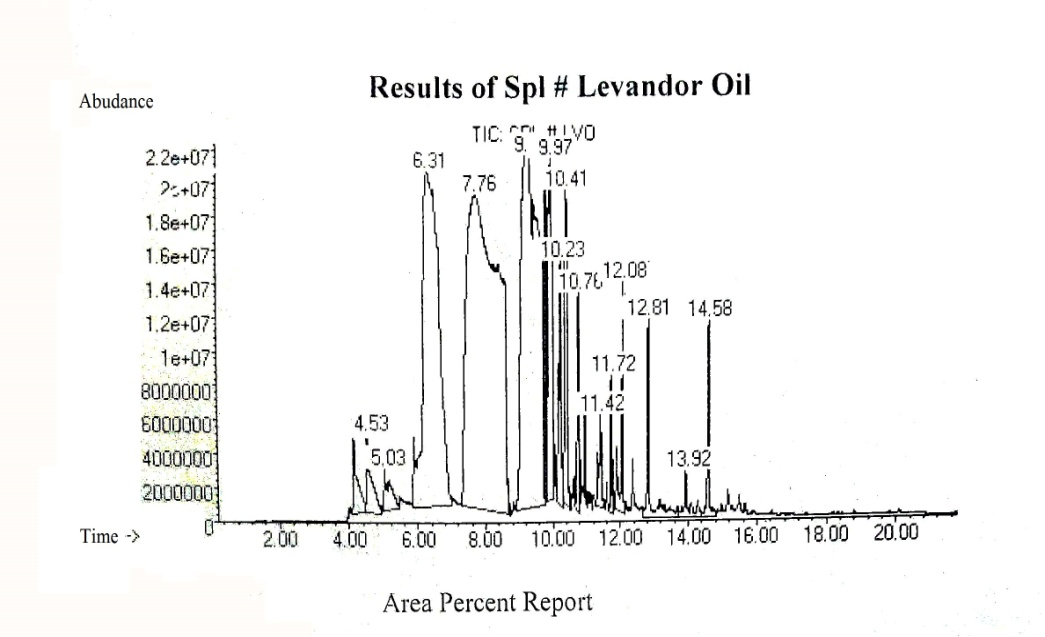
Figure 3: Chromatogram of Lavender Essential Oil
FIGURE 4
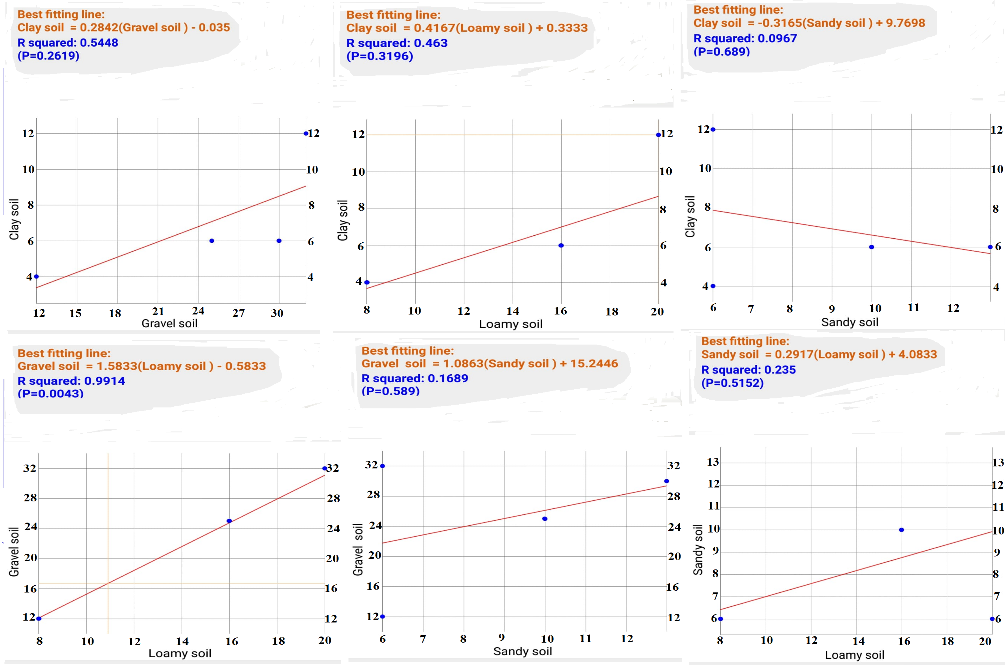
Figure 4: Simple Linear Regression Scattered Plot Graphs between Two Studied Soil Types
Tables at a glance
Figures at a glance