
Non-Destructive Laboratory Test Technique for Early Crack Detection in Dental Materials
Received Date: April 17, 2024 Accepted Date: May 17, 2024 Published Date: May 20, 2024
doi: 10.17303/jdoh.2024.11.101
Citation: C. Haddad, E. Saab, J. Gebran, A. Youssef, M. Mousalllem, et al. (2024) Non-Destructive Laboratory Test Technique for Early Crack Detection in Dental Materials. J Dent Oral Health 11: 1-10
Abstract
Introduction: The study introduces the Sound Harvesting Test (SHT) as a non-destructive method to evaluate fracture resistance of dental ceramics, surpassing traditional tests in predicting crack development.
Materials and Methods: The SHT, utilizing acoustic emission, assessed fracture loads in glass ceramic sheets, zirconia sheets, and monolithic posterior zirconia crowns. The innovative setup included a sensitive microphone and audio chipset integrated with a universal testing machine.
Result: SHT detected lower fracture loads for all materials, with glass sheets averaging 650.46N, zirconia sheets 95.25N, and zirconia crowns 1108.99N, indicating its heightened crack detection sensitivity. These results showed significant statistical differences compared to standard tests.
Conclusion: Validating the SHT's effectiveness, the study highlights its potential as an alternative testing method, offering a more precise measurement of brittle dental ceramics' fracture toughness and aiding their application in dental practices.
Keywords: Monolithic Zirconia; Fracture Resistance, Sound Harvesting Test, Non-destructive Testing, Dental Ceramics
Introduction
As cracks represent the initial events indicating failure in ceramic materials, the precise detection of their initiation in terms of timing and applied force is crucial for analyzing the stress response of these materials [1]. When stress is applied to Dental ceramics, cracks originate from flaws known as discontinuities. These flaws or defects can be formed due to mechanical, chemical, or thermal processes. By increasing the load, the crack propagates until the component fails [1].
To better understand this response, ceramics undergo rigorous fracture testing like fracture toughness test where materials are subjected to controlled stresses and monitor crack propagation to determine fracture toughness and resistance values [2].
These methods encounter challenges, notably the difficulty in analyzing cracks initiation and propagation due to complete damage of specimens. This issue can result in fracture toughness values that may be higher than the actual value of the ceramic. Hence, caution is crucial when interpreting published values for dental materials, considering the testing methods implemented [3].
The Non-destructive testing (NDT) is a type of testing that involves examining materials without damaging them. Acoustic emission testing (AET) is a type of NDT approach for dental ceramics based on the detection of elastic waves generated by the rapid release of energy during crack formation [4]. It allows monitoring of the integrity of structures by providing real-time information of the fracture or damage process [5].
AET uses transducers or sensors to detect the high- -frequency sound waves produced as a result of the sudden strain energy released within a material following fracture [5]. The AET was employed in the dental field to identify the initial fracture time in ceramic crowns [6].
Acoustic testing utilizes sound waves to detect and measure faults or defects in materials [7,8].
Sound Harvesting test is an acoustic form of AET based on the principle of harvesting sounds generated from an event, like a crack, in a tested sample [2].
The aim of the study was to validate a nondestructive Sound Harvesting Test (SHT) for the evaluation of the fracture toughness of brittle ceramics.
The null hypothesis suggests that there is no significant difference in the fracture resistance values of the three tested samples when using SHT method and traditional fracture testing.
Materials & Methods
Sample Preparation Zirconia Crowns (Y-TZP)Fifty monolithic zirconia crowns (MZC) (GC Initial Zirconia Disk® monolithic translucent by GC®) were produced following this protocol (Figure 1):
An artificial mandibular first molar model was prepared by reducing 1.5 mm from the occlusal surface and 1.2 mm from the side walls, finished with a margin design tapering to 0.5 mm, known as a feather edge.
Using an extra-oral scanner, a Computer Aided Design (CAD) software (Ceramill map 400®, Amanngirrbach®, Germany), and a 5-axis milling unit (Everest KAvo) prepared tooth was scanned, crown designed and milled (Ceramil Therm®, Amanngirrbach®). and sintered at 1450°C according to the manufacturer’s recommendations.
After sandblasting (50-micron 1.5 bar), MZC were then cemented to printed polymethylmethacrylate (PMMA) models with a universal resin cement (G Cem one®, GC®). Based on the CAD model, (PMMA) casts are fabricated via a 3D printing machine (Formlabs 2®, Massachusetts, United States).
Following a 24-hour storage in distilled water at 37 ± 1°C, the samples underwent a thermocycling procedure per international standardization, involving 500 cycles alternating between 5 and 55°C, with an immersion time of 20 seconds and a transfer time of 5 seconds.
Glass SheetsForty similar rectangular glass sheets (1 cm x 1 cm) were obtained from a 2 mm thick commercial glass piece cut with a laboratory glass cutter (LETKINGOK®, USA), assuring accurate dimensions. The edges of the glass specimens were thoroughly inspected to ensure consistency and surface regularity.
Zirconia SheetsForty sheets of non-sintered monolithic translucent zirconia were obtained from a monolithic translucent zirconia block (GC Initial Zirconia Disk® monolithic translucent by GC®). The block was sectioned into 1 mm thick and 1 cm x 1 cm slices using a microtome (Exact®, Germany). The sheets were then sintered at 1450°C [9] according to the manufacturer recommendations (Ceramil Therm®, Amanngirrbach) then rigorously examined for any irregularities (Figure 2).
Sound Harvesting TestTo ensure the UTM’s operational sounds did not interfere, a preload of 20N was applied to secure the crown onto its PMMA base [9]. Subsequently, the recording was reinitialized, and the desired test commenced.
SHT was conducted using a high-sensitivity MiniSPL (NTI®) microphone [10], placed 1 cm from the sample fixed in the universal testing machine (UTM) (YLE® GmbH, Waldstraße Bad König, Germany). The UTM applied load with a spherical tip at a crosshead speed of 0.5 mm/minute ensuring controlled and gradual loading [11].
To safeguard the samples from destruction, a custom made “cut-off” switch system (Figure 3) was integrated within the UTM, stopping the test upon detecting the specific sound of a crack forming.
For that, a highly sensitive microphone (20mV/- Pa) [12] captured the sound of material cracking, passing the signal through an amplifier (Avalon Design 737®, California, USA) with an exceptional signal-to-noise ratio(93 db.) (Figure 4).
The SHT data were collected by the UTM software for analysis and storage. Samples were loaded until machine stoppage, with values recorded in Newton.
Control groups were tested conventionally for technique validation, maintaining the same conditions but loading until fracture, with UTM software recording maximum load values.
The results of the SHT were captured for analysis, with the force applied recorded in Newtons. Control groups were also tested under the same conditions but were loaded to the point of fracture to validate the testing technique, with the UTM software documenting the peak loads.
Crack AnalysisFollowing the static load test, the positions of cracks in the specimens were identified. Subsequently, the tested samples underwent meticulous examination under a low-magnification microscope (S6D, Leica®-Leica, Germany, x10).
Photographic documentation of samples was conducted using a DSLR camera (Canon®, Japan) in for further analysis of crack location or potential fractures (Figure 5).
Statistical AnalysisA descriptive analysis was carried out to assess the mean fracture loads across different materials employing diverse techniques. The presentation includes the minimum, maximum, means, and standard deviations (SD) of the fracture loads. The independent samples t-test and Mann-Whitney test were applied to identify potential statistically significant differences in the mean fracture load for each material using distinct crack detection techniques. A p-value below 0.05 was considered indicative of statistical significance. The statistical analysis was executed using IBM SPSS Statistics 25 software.
Results
The study’s final sample was composed of a total of 130 items, divided into three groups for fracture strength testing using different crack detection methods. The groups included forty glass sheets, with twenty subjected to the Sound Harvesting Test (SHT) and the remaining twenty to conventional methods. Another forty zirconia sheets were tested, also split equally between SHT and conventional techniques. Lastly, fifty zirconia crowns were assessed, with half evaluated using SHT and the other half using traditional testing methods, to compare the efficacy of the SHT against conventional approaches in detecting fractures.
The results were consolidated in Table 1, showing fracture loads across various materials using Sound Harvesting Testing (SHT) and conventional techniques:
For glass sheets, SHT revealed a minimum fracture load of 338 N and a maximum of 803 N, with a mean of 650.46 N and a standard deviation (SD) of 110.38. conventional testing showed a minimum load of 205 N, a maximum of 945.90 N, a mean of 691.41 N, and an SD of 155.92, with a statistically significant difference indicated by a p-value of 0.010.
The 0.1 mm thick zirconia sheets tested with SHT had a minimum load of 80 N, a maximum of 111 N, a mean of 95.25 N, and an SD of 7.78. Standard testing showed a minimum of 76 N, a maximum of 238 N, a mean of 112.75 N, and an SD of 31.26. The difference between the two testing methods was highly significant, with a p-value of less than 0.001.
Zirconia crowns with 0.5 mm thick margins had a mean fracture load of 1108.99 N (SD 327.89) when tested with SHT, as opposed to a mean of 1292.52 N (SD 271.42) with standard methods, also showing a significant difference with a p-value of 0.036.
Discussion
In our research, we explored the efficacy of the Sound Harvesting Testing (SHT) method for evaluating the fracture resistance of brittle ceramic materials, compared to standard testing techniques for validation.
Our findings demonstrated significant disparities in fracture loads when employing SHT in comparaison to standard test.
Glass sheets assessed with SHT exhibited a mean fracture load of 650.46 N, while standard testing yielded a higher average of 691.41 N. Zirconia sheets under SHT had an average fracture load of 95.25 N, in comparison to 112.75 N achieved without this technique. In a similar trend, zirconia crowns with 0.5 mm thick margins registered an average load of 1108.99 N with SHT, which was less than the 1292.52 N obtained through standard testing.
These observed differences were not only consistent but also statistically significant. The p-values obtained-< 0.001 for zirconia sheets, 0.036 for zirconia crowns, and 0.010 for glass sheets-confirmed the significance of the findings.
Furthermore, we noted that glass sheets subjected to SHT had fracture loads ranging from a minimum of 338 N to a maximum of 803 N. Without SHT, these sheets displayed a wider load range from 205 N to 945.90 N. For 0.1 mm thick zirconia sheets, SHT captured a narrower load spectrum of 80 N to 111 N, whereas non-SHT methods disclosed a broader range from 76 N to 238 N. Zirconia crowns tested with SHT tolerated loads from 217.99 N to 1748 N, significant narrower than the 840 N to 1840 N range identified without SHT.
Failure load values obtained through SHT were notably lower than those obtained through the conventional method for glass sheets, zirconia sheets, and zirconia crowns. The capability of detecting crown cracks before reaching catastrophic failure, resulted in more precise load- -bearing values.
The mean fracture load results obtained using the two crack detection techniques align with findings from prior research on NDT. For example, Elakwa et al. assessing the impact of various detection techniques on crown fracture load, observed that the fracture load was notably influenced by the detection method [13].
Materials SelectionCareful consideration was given to material selection to optimize sound isolation, transmission, and collection, which are critical factors in the effectiveness of the Sound Harvesting Testing (SHT).
For the die material, we preferred those that resemble the mechanical properties of natural teeth. Research by Nakamura et al. has shown that the elasticity modulus of resin-based dies is notably lower than that of zirconia crowns. Additionally, PMMA, a material frequently used for temporary dental restorations, has been studied for its acoustic properties. Chen et al. reported that PMMA resin exhibits a modulus of elasticity around 2100.05 ± 114.28 MPa. Consequently, employing PMMA and zirconia crown specimens for fracture tests can yield results with significant clinical relevance.
Furthermore, zirconia crowns are extensively utilized in fixed partial dentures, both as crowns and bridge materials. Their inherent brittleness and sound transmission capabilities make them suitable materials for SHT.
Glass was chosen as an additional material for its distinctive sonic properties. Known for its variable hardness, depending on its composition, glass has a relatively low tensile strength, predisposing it to tensile fractures, yet it maintains robust compressive strength. Glass’s lower elastic modulus means it has limited capacity to deform elastically under stress, making it more likely to break. When it does fracture, glass transmits sound waves that can be captured during acoustic testing. This was particularly considered with our 2 mm thick glass samples, facilitating a comparative study alongside zirconia material in our investigation.
Sound Harvesting Set UpRegarding the transmission speed of electric current from the microphone to the amplifier to the cut-off switch, the fundamental principle of our experience involves harvesting electrical energy from mechanical vibrations generated by sound.
The process of signal transmission from the initial crack in a glass material to the switch breaker involves a complex interplay of factors. High-quality microphones and amplifiers with low latency are crucial, as they influence the time it takes for the signal to travel. Typically, sound travels through glass at a speed of about 5,500 meters per second, which is much faster than in air. Upon the occurrence of a crack, the generated acoustic energy swiftly moves through the glass, eventually being transmitted through a cable to an amplifier at a speed nearing that of light [8,36,37].
This rapid transition is facilitated by minimal processing time in the amplifier, although it can be affected by properties of the cable used. Once converted into an electrical signal, the speed of transmission is significantly quicker than the speed of sound through air, a phenomenon that is observable in the slow crack propagation found in Zirconia samples [29]. The speed of this electrical transmission can be near the speed of light in ideal conditions, explaining why there is a notable difference in the perceived rate of crack propagation in different materials.
This phenomenon is closely linked to material characteristics such as composition, impurities, stress conditions, and the types of waves involved in the propagation of the crack. While the speed of sound in air is greatly influenced by environmental factors like temperature, humidity, and atmospheric pressure, under standard conditions, it travels at about 343 meters per second. In contrast, electric signals in a wire have the capacity to move at speeds approaching that of light—approximately 299,792,458 meters per second in a vacuum [38,39].
Understanding these transmission dynamics is crucial for interpreting the Sound Harvesting test .emissions accurately and improving the diagnostic capabilities of nondestructive testing methods in prosthodontics
During the test, to prevent external sound interferences, noise cancellation was ensured by corrugated foam sheets (Cactus®,USA). To consolidate the sample during the test and to prevent noise misinterpretation, a preload of 20N was applied to the specimen. After reaching this desired load, the recordings were re-initialized, and the desired test was started (3). To prevent Hertzian damage [14], a 2mm urethane rubber cylinder was placed between the indenter and the sample. The high sensitivity microphone (1-50000Hz), positioned at 1cm from the specimen, ensured the detection of even the slightest changes in sound. The sound waves captured by the microphone were then transmitted through an electric, XLR (Pig Hog PHM10 8mm®) cables to an amplifier [15-19]. Then the speed of transformation of the raw wave through a chipset to the “cut-off switch” in the UTM influenced the accuracy of the technique.
Factors such as temperature, humidity, and material defects can affect sound transmission speed, emphasizing the need for material-specific considerations in acoustic non-destructive testing system design [20]. The speed of sound in glass, approximately 4000 meters per second, As for the Zirconia material, it exhibits a high fracture speed, reaching up to 5 km/s due to its strong grain bond and excellent wear resistance [17-19,21]. Subsequently, the acoustic waves reach the microphone, and the resultant electrical signal travels through cables, at speeds close to light [17-19]. Compensating relatively the slow air sound transmission (343 meters per second at 27 º C). The amplifier processes this signal and transmits it to the switch breaker, with negligible processing time assuming low-latency amplifiers (93 dB) [22].
Acoustic Emission Testing has been previously used to detect the fracture of different dental structures, but few are the studies using the SHT for the evaluation of the load bearing capacities of dental ceramics [21]. Ereifej et al. employed the AE technique to identify the initial fracture in ceramic crowns [23], Vallittu utilized it to examine the fracture of a composite veneer strengthened with woven glass fibers [7], and Kim and Okuno applied it to investigate the micro-fracture behavior of composite resins incorporating irregular-shaped fillers [24].
Al-Zubaidi et al. (2020) compared different crack detection methods and found that acoustic testing showed higher sensitivity and accuracy in detecting cracks compared to visual inspection and dye penetration testing. This finding is consistent with the results of your study, where statistically significant differences were observed in the mean fracture load using the different crack detection techniques, particularly for glass sheets, 0.1 mm zirconia sheets, and zirconia crowns with 0.5 mm thick margins [25]. Another study by Zhang et al. investigated the effect of different crack detection techniques on the fracture resistance of glass ceramic crowns and reported that the use of a microphone during crack detection led to a decrease in the fracture load [25]. Thus, the results of our study support the findings of these studies [26].
Another study conducted by Wang et al. showed that acoustic testing can detect cracks and defects in dental materials with better accuracy [27]. Zhang et al. reported that the use of a microphone during crack detection led to a decrease in the fracture load [24]. Thus, this shows that the result of our study supports the findings of studies found in the literature. Nonetheless, the presence of outliers in the distribution of fracture loads of glass sheets using both techniques could be attributed to the impurities present in the material, considering its commercial nature.
The results of our study lead us to reject the null hypothesis, suggesting that there is indeed a significant difference in the initiation and propagation of cracks between the SHT method and traditional fracture testing methods.
The findings of this research indicate that the SHT, as a non-destructive approach, offers distinctive advantages over conventional methods in accurately detecting the timing, and force of crack initiation in dental ceramics under stress contributing to a more realistic assessment of their behavior. Its incorporation during fracture load testing may lead to the underestimation of material strength, highlighting the need for careful methodology selection in dental material assessments [27].
However Advanced research and exploration involving various dental materials could enhance result accuracy, generalizability, and clinical implications, of these findings with potential applications in posterior fixed partial dentures involving bridges and dental implants.
Future clinical applications of this technique could result in improved prognostic capabilities and the development of more durable ceramic restorations.
Despite the promising results, the study acknowledges certain limitations like studying only two types of ceramic materials, which restricted the variability of the tested samples potentially affecting result generalizability.
In conclusion, the present study introduced and validated statistically the Sound Harvesting Test, showing a significant difference in fracture load values when compared to standard one, which can result in fracture toughness values that may be higher than the actual value of the ceramic. Hence, caution is crucial when interpreting published values for dental materials, considering the testing methods employed and the disparities of results.
Author Contributions
Conceptualization: Camille Haddad Methodology: Camille Haddad, Jean Gebran,Estelle Saab;Mariane Mousallem Formal analysis: Camille Haddad; Estelle Saab Writing – original draft preparation:Camille Haddad,Estelle saab, Abboud Youssef Writing – review and editing: Camille Haddad, Abboud Youssef Supervision: Amine Zoghbi
Conflict of Interest Statement
The authors declare no conflicts of interest.
Funding
No funding source
- Nakamura T, Nakano Y, Usami H, Okamura S, Wakabayashi K, et al. (2019) In vitro investigation of fracture load and aging resistance of high-speed sintered monolithic toothborne zirconia crowns. J Prosthodont Res. 64: 182187.
- Brandeburski SBN, Della Bona A (2020) Quantitative and qualitative analyses of ceramic chipping. J Mech Behav Biomed Mater. 110: 103928.
- Bergmann C, Stumpf A (2013) Dental ceramics: Microstructure, properties, and degradation. Springer Science & Business Media, Berlin, Germany.
- Zhang Y, Lawn BR (2018) Novel zirconia materials in dentistry. J Dent Res. 97: 140-7.
- Li H, Li J, Yun X, Liu X, Fok A (2011) Non-destructive examination of interfacial debonding using acoustic emission. Dent Mater. 27: 964-71.
- Vallittu P (2002) Use of woven glass fibres to reinforce a composite veneer. A fracture resistance and acoustic emission study. J Oral Rehabil. 29: 423-9.
- Tekin YH, Hayran Y (2020) Fracture resistance and marginal fit of the zirconia crowns with varied occlusal thickness. J Adv Prosthodont. 12: 283-90
- Ioannidis A, Bomze D, Hämmerle CHF, Hüsler J, Birrer O, Mühlemann S (2020) Load-bearing capacity of CAD/- CAM 3D-printed zirconia, CAD/CAM milled zirconia, and heat-pressed lithium disilicate ultra-thin occlusal veneers on molars. Dent Mater. 4: 109-16.
- Abdulazeez MI, Majeed MA (2022) Fracture strength of monolithic zirconia crowns with modified vertical preparation: A comparative in vitro study. Eur J Dent. 16: 209-14.
- MiniSPL-Measurement-Microphone; 2024. [cited 2024 Mar 30]. Available from: https://www.nti-audio.com/P ortals/0/data/en/MiniSPL-Measurement-Microphone-Product-Data.pdf
- ASTM E384-22. Test Method For Microindentation Hardness; 2022. [cited 2024 Mar 30]. Available from: https://blog.ansi.org/astm-e384-22-microindentation-hardness-test-method/
- Phani PS, Oliver WC (2019) A critical assessment of the effect of indentation spacing on the measurement of hardness and modulus using instrumented indentation testing. Mater Des. 164: 107563.
- Ellakwa A, Raju R, Sheng C, Rajan G, Prusty BG (2020) Acoustic emission, and finite element study on the influence of cusp angles on zirconia dental crowns. Dent Mater Off Publ Acad Dent Mater. 36: 1524-35.
- Kim SH, Yeo MY, Choi SY, Park EJ (2022) Fracture resistance of monolithic zirconia crowns depending on different marginal thicknesses. Materials; 12: 4861.
- Ketata I, Ouerghemmi S, Fakhfakh A, Derbel F (2022) Design and implementation of low noise amplifier operating at 868 MHz for duty cycled wake-up receiver front-end. Electronics. 11: 32-5.
- Yuan M, Cao Z, Luo J, Chou X (2019) Recent developments of acoustic energy harvesting: A review. Micromachines. 10: 48.
- Kumbhare VR, Kumar R, Majumder MK, Kumar S, Paltani PP, Kaushik BK (2022) High-speed interconnects: History, evolution, and the road ahead. IEEE Microw Mag. 23: 66-82.
- Skjold A, Schriwer C, Gjerdet NR, Øilo M (2022) Fractographic analysis of 35 clinically fractured bi-layered and monolithic zirconia crowns. J Dent. 125: 104271.
- Hamza TA, Sherif RM (2019) Fracture resistance of monolithic glass‐ceramics versus bilayered zirconia‐based restorations. J Prosthodont. 28: 259-64.
- Fischer H, Karaca F, Marx R (2022) Detection of microscopic cracks in dental ceramic materials by fluorescent penetrant method. J Biomed Mater Res. 61: 153-8.
- Quinn GD (2024) NIST recommended practice guide: Fractography of ceramics and glasses. Gaithersburg: National Institute of Standards and Technology
- Valandro LF, Cadore-Rodrigues AC, Dapieve KS, Machry RV, Pereira GKR (2023) A brief review on fatiguetest of ceramic and some related matters in Dentistry. J Mech Behav Biomed Mater. 138: 105607.
- Ereifej N, Silikas N, Watts DC (2008) Initial versus final fracture of metal-free crowns, analyzed via acoustic emission. Dent Mater. 1: 1289-95.
- Gali S, Gururaja S, Patel Z (2024) Methodological approaches in graded dental ceramics. Dent Mater.
- Wang L, Zhang Y, Zhang H, Huang Z (2017) Comparative study of acoustic emission and dye penetration techniques for crack detection in dental ceramics. J Mech Behav Biomed Mater. 67: 9-16.
- Wang B, Zhong S, Lee TL, Fancey KS, Mi J (2020) Non-destructive testing and evaluation of composite materials/structures: A state-of-the-art review. Adv MechEng. 12: 1687814020913761.
- Li Z, Zheng K, Liao W, Xiao X (2018) Surface characterization of zirconia ceramics in ultrasonic vibration-assisted grinding. J Braz Soc Mech Sci Eng. 40: 1-9.
FIGURE 1
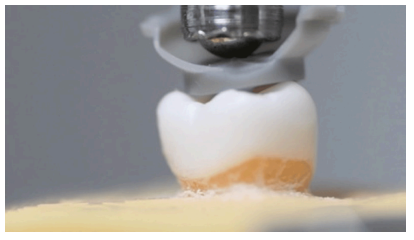
Figure 1: The Tested zirconia crown
FIGURE 2
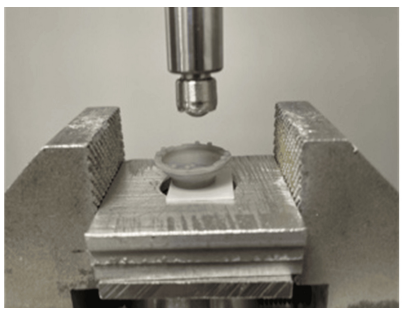
Figure 2: Zirconia sheets
FIGURE 3
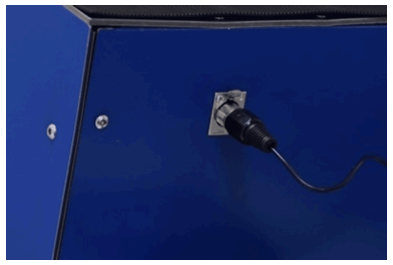
Figure 3: Custom made Cut–off switch in the UTM
FIGURE 4
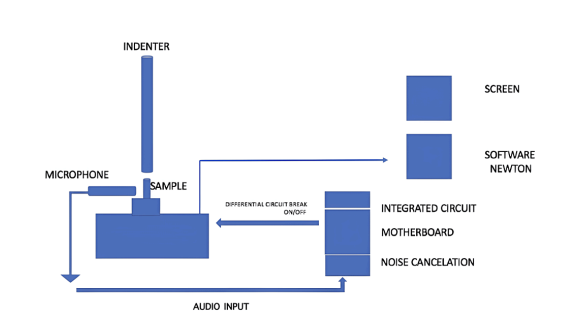
Figure 4: The audio acoustic emission testing system set up
FIGURE 5
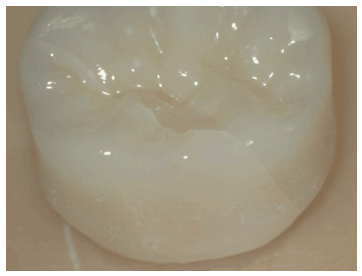
Figure 5: Occlusal and buccal crack of MZC
Figures at a glance