
Exploring the Impact of User-generated Content on Choosing Culinary Medicine, A Netnographic Approach
Received Date: February 17, 2025 Accepted Date: March 17, 2025 Published Date: March 20, 2025
doi:10.17303/jfn.2025.11.103
Citation: Hafiz Muhammad Allah Rakha, Faisal Khalid, Fariha Zubair, Maria Tariq, Muhammad Rouf (2025) Exploring the Impact of User-generated Content on Choosing Culinary Medicine, A Netnographic Approach. J Food Nutr 11: 1-19
Abstract
Purpose: The study aims to explore how social media user-generated content (UGC) influences people's decisions on the popular subject of culinary medicine, which combines medical science and nutrition. UGC is crucial for shaping the perceptions and preferences of the virtual community.
Design/Methodology/Approach: Using netnography, an Internet-based ethnography method for unobtrusive data collection. Using hashtags, comments from Facebook (53.6M and 1326K) and YouTube (87543) were read and analyzed, and pertinent data was manually screened.
Findings: User-generated content supports personalized health stories, encouraging culinary medicine adoption and overcoming barriers. The themes that emerged through thematic analysis were food and food as preventive medicine, food as therapeutic medicine, and healthy aging.
Practical Implications: By sharing recipes and interacting online, user-generated content improves community health. While alliances with chefs and influential people drive policy reforms and increase public knowledge of culinary medicine, prompt feedback informs policies and connects the public.
Originality/Value: By focusing on culinary medicine, and health-related themes, and interacting with trustworthy information, healthcare professionals use social media to engage with the online community, build relationships, and promote nutrition and health.
Keywords: Netnography; NVivo; Culinary Medicine; Food as Preventive Medicine; Food as Therapeutic Medicine; Healthy Aging.
Introduction
Poor diet is one of the primary and most modifiable causes of the global burden of disease [1]. According to [1] Institute for health metrics and evaluation cardiovascular disease accounted for 10.6% of all fatalities in 2021, making it the leading cause of diet-related mortality [1]. Cardio metabolic diseases, poor nutrition, and lifestyle factors contribute to health disparities based on race, ethnicity, wealth, and residency location [2-4]. According to estimates, CVD costs the US economy $405 billion a year in 2019 [4], with diabetes expected to cost $327 billion in 2017 and to double to $800 billion by 2030 [5], an increase of 26% in only five years. A significant amount of these expenses is attributable to inadequate nutrition. An estimated $963 billion is spent on medical care and lost productivity in the United States each year, while an additional $146 billion is spent on food insecurity, for a total of $1.1 trillion in economic losses annually [6].
Improving diets can prevent around 80% of chronic diseases by reducing inflammation and promoting healthier lifestyles and eating habits [7]. Awareness of food-related diseases grows globally; medical educators must create innovative teaching methods to train future healthcare providers in managing these issues effectively [8]. A growing number of health systems are implementing food and nutrition interventions, more recently known as "food is medicine" (FIM), to address food and nutrition knowledge, food access, food preparation skills, and the food environment in order to promote long-lasting behavior change and enhance health outcomes [9]. Medical experts generally accept that the first line treatment for non-communicable diseases like obesity, diabetes, heart disease, cancer, and mental health issues is evidence-based food and lifestyle behavior therapies [10].
A new educational discipline called culinary medicine focuses on meal planning, preparation, and cooking techniques along with counseling techniques to help patients and clients improve their unhealthy behavior [11]. A recent study explored the literature by [11] that offers culinary and nutrition education to and by professionals in the fields of education, health, and cooking. The recent decade has seen an increase interest in food and nutrition-related health care that is offered as culinary treatments for health, created and administered by trained medical experts either alone or in collaboration with other specialists [11]. Physicians and other health professionals need to receive novel nutrition education due to the worldwide impact of diet-related diseases [12]. There are several methods for filling in training and education gaps. Culinary medicine (CM) has the greatest potential: "Medical trainees (such as medical students, nursing students, and dietetic interns), healthcare professionals, and community members can acquire practical knowledge of food-based nutrition and the culinary skills necessary for implementation through the discipline and training modality of culinary medicine in clinical and public health education [13]. Culinary nutrition is a key component of “food is medicine” (FIM). CM enhances the prevention, management, and treatment of chronic diseases by converting nutrition information into useful skills [14].
Social media's widespread use has changed how people view, engage with, and decide how much food to eat in recent years [15]. Furthermore, social media offers a plethora of data to researchers who want to understand how food intake is related to consumer behavior [16]. With the abundance of user-generated content and sophisticated analytics tools, researchers can investigate a variety of topics, from spotting new food trends to analyzing how social influence affects eating patterns [17]. As a result, the conventional methods of food marketing and promotion have undergone a paradigm shift, with user-generated content and peer recommendations having a significant impact on consumer preferences and decisions [16,18]. In order to better understand the intricate relationship between social media and consumer food behavior in a world that is becoming more digitally connected, a recent study explains that future research efforts in this area should focus on filling in new research gaps, investigating cutting-edge methodologies, and encouraging interdisciplinary discussion [18].
Online consumer-focused forums are increasingly vital for marketing research, each group serving as significant and intriguing market segments. In this intricate landscape, marketers must rigorously and ethically assess data amid debates over consumption and purchases on these platforms. Netnography is a qualitative research approach that employs digital footprints, elicitations, and/or observations in a multimodal, immersive, and methodical way to study culture. It is based on a set of guidelines and flexible procedures that give ethical considerations, researcher participation, and contextualization top priority [19]. Netnography is a useful method for examining the language, motivations, and symbols used in online communities. Exploring food arguments in forums to comprehend eating habits and culture requires the use of thematic analysis. This study explores the ways in which the community expresses its views on culinary food.
Literature Review
The phrase "a new evidence-based field of medicine that combines the art of food and cooking with the science of medicine" has been used to characterize culinary medicine (CM). [20] and is recognized as a cutting-edge strategy for improving eating habits [11]. As part of a patient's overall care, culinary medicine provides structured methods to identify and comprehend the patient's culinary and food knowledge and to apply that information to further the patient's medical objectives [21]. Culinary medicine recommendations are typically based on plant-based healthy eating patterns, such as the Mediterranean diet, even if they are not linked to any specific dietary pattern [7]. This method acknowledges that culinary expertise and knowledge are essential for creating and sustaining a nutritious diet as well as for indulging in delectable meals. Increasing public awareness of the significant impact that food has on wellness and disease is the primary objective of culinary medicine. Moreover, it offers practical culinary instruction to develop proficiency in preparing healthy food to avoid, control, and cure chronic illnesses [7]. Culinary medicine aims to boost awareness of nutrition's impact on health and offers culinary training to enhance food preparation skills for managing, preventing, and treating long-term illnesses [7].
The term "user-generated content" refers to any type of brand-related material produced by users, such as images, comments, and videos [22]. Members of the community can choose the brand to be their target audience, making both the community and the brand stakeholders in the online brand community [23]. For selfless reasons, online brand community members can select other members as the target audience in order to make an impression and establish their reputation [24]. Members who participate in online brand community meet their needs for recognition, belonging, and social advancement [25]. For instance, when members of a smartphone community offer advice on how to use smartphones more effectively, they are in fact selecting the community as their target audience. Since high levels of communal involvement boost brand loyalty and community troubleshooting reduces customer service workloads, this community-oriented material also indirectly benefits the company [26].
Foodies, bloggers, and influencers use social media to grow their fan bases and sway perceptions of the value, authenticity, and desirability of food [27]. As consumers are increasingly relying on social media to investigate food products, food companies, and dietary habits, as well as to obtain validation, this phenomenon has a big influence on consumer behavior [28]. On social media platforms, the practice of "food sharing" has grown rapidly, with users exchanging recipes, reviews, photos, and dietary advice to build online communities focused on culinary exploits [29,30]. This study aims to analyze user-generated content about culinary medicine to enhance knowledge. It utilizes insights from online communities as an example of a culinary medicine and for marketing research purposes.
Methodology
The finest guiding approach is provided by netnography [31], which was developed by [32] to understand online cultures and is particularly well-suited to researching internet-consuming societies. This study explores the impact of user-generated content on choosing of culinary medicine in online communities using netnography. It examines contemporary eating patterns with an emphasis on conversations about culinary medicine on social media sites like Facebook and YouTube. Flexible research parameters are made possible by netnography, which uses online data to analyze consumer behaviors, motivations, and symbolisms naturally. It covers member checks, ethics, data gathering, analysis, and planning.
Inclusion and Exclusion Criteria
Data consistency and quality are enhanced by established criteria. Due of time constraints, information was gathered via official accounts and postings that used particular hash-tags (#culinarymedicine, #lifestylemedicine, #nutrition, #foodforyourhealth, #healthiswealth, #DiseasePrevention etc.). In order to analyze food preference, the study focuses on individuals rather than corporate entities. To avoid translation problems, non-English information is eliminated and a range of languages are anticipated. In order to gather useful insights, the study examined publicly accessible data from Facebook and YouTube, paying particular attention to posts that included pertinent hash-tags connected to food.
The data is analyzed and explored using NVivo Software's word cloud, treemap, and hierarchical charts.
Results and Analysis
A qualitative software application called NVIVO was utilized to examine the data that was obtained. The data analysis is shown in this section. Twitter, YouTube, Facebook, and blog comments were analyzed using word clouds, treemaps, and hierarchy charts. The three main themes that came out of the qualitative stages were food as medicine, functional food.
Food as Therapeutic Medicine
The World Health Organization defines food technology and therapeutic nutrition as "using food as a therapeutic means to fight disease and take care of the patients, who form basic element in treatment and fight disease in addition to medications." According to [33] “Food and medications share a common origin”. Cancer-causing illnesses including hepatitis and the human papillomavirus cause about 30% of malignancies in low- to lower-middle-income nations. Cancer has a devastating effect on people, scientists and medical professionals put forth endless effort to improve cancer prevention and therapy [34]. Foods (with low trans-fat) that are rich or fortified with vitamins, minerals, fiber, probiotics, antioxidants, good-quality fats, secondary metabolites, and growth and development are referred to as functional foods by Health-line because they offer health benefits beyond their typical nutritional value [35]. By preventing fat deposition and obesity, these foods can assist regulate lipid metabolism, which lowers the risk of CVD [36]. Scientists and chemists can use herbal treatments and plant sources as a safe, effective alternative for treating the deadly disease [37]. Cancer highlights how crucial diet is to overall health. Research indicates that phytochemicals included in foods including fruits, vegetables, tea, herbs, and the ketogenic diet help reduce the risk of heart disease, cancer, and inflammation [38]. According to the comments below, the majority of respondents selected culinary foods because they believe that food can act as a therapeutic medicine. The majority of viewers (n = 198) were examined. Food as Preventive medicine was the first major theme that was emerged
One of the respondents said “Robin Hackler 13 years ago I got on my own homemade milk kefir, and all natural unprocessed foods, and in 6 months’ time, completely healed my ulcerative bloating lBD/leaky gut/disbiosis, and then after another 6 months of nothing but milk kefir and all natural unprocessed foods, chronic allergies, chronic asthma, chronic bronchitis, chronic infections, chronic candida, chronic arthritis, chronic eczema, chronic psoriasis, and autoimmune (psoriatic arthritis) all completely healed up too!”
Another respondent said “Josie Thomas Throughout my life I struggled with mysterious health issues, though it may not have appeared so on the outside. Three years ago my journey began when I discovered the root cause to all of my problems and used food as medicine to heal myself naturally. I’ve decided to finally share this with you in hopes to do the same, while posting some fun recipes along the way. Visit my blog now, link in bio cheers! https://josiesjourney.health
“The food you eat can either be the safest and most powerfull form of medicine or the slowest form of poison” – Ann Wigmore.
Michael Vasquez said that “When I went Whole Food Plant-Based almost two years ago, the food, which is my medicine, cured all my ailments. I had diabetes, heart, thyroid, BP, and other issues back then. Now I do not take any medications. I have been medication-free now for a little over a year. If you have auto- immune issues, this lifestyle will most likely cure you Doctors treat, Food heals”.
As shown in the final Word Cloud created "diabetes” (6.43%), "heart disease," (6.80%) "Cancer,"(3.23%) topped NVIVO 15's Word Cloud on nutrition's role in managing chronic illnesses. Additionally, terms like "chronic disease" and "improved weight" were notable. Social media discussions on curing these conditions with food are prevalent on platforms like Facebook and YouTube.
The most significant health concerns among respondents are heart disease, diabetes, and cancer, as revealed by analyzing online community data using NVivo software's treemap feature.
In online forums, people talk about utilizing food as medicine to alleviate ailments and share their experiences using dietary solutions to solve enigmatic health problems. They manage cancer, diabetes, and heart disease using food for their chronic conditions.
Food as Preventive Medicine
Food has been used to prevent disease from ancient times. This is reminiscent of the saying by Hippocrates of Cos (Greece, 5th–4th century BC), who is regarded as the founder of modern medicine: "Let food be your best medicine and your best medicine be your food."[39]. The concept of preventive medicine was already prematurely introduced by Hippocrates at that time. As a result of studying the environmental factors that contribute to sickness, the concept of special diet regimens was initially developed, focusing on the patient's overall health and recovery in addition to their food [40]. Any consumer's future health may be resolved in that situation by making appropriate dietary choices. Vegetables and fruits with deeper colors (like peaches and leafy greens) are typically higher in nutrients than those with lighter hues and whites [41]. Most fruits and vegetables should be eaten whole rather than in their juice since they offer more dietary fiber and satiety than their juice counterparts [41]. These findings are supported by the outcomes of intervention research [43]. Fruit and vegetable segments have been linked to lower mortality rates for the most part [44]. Observational studies have provided a robust and consistent body of evidence demonstrating that dietary patterns high in fruits and vegetables except for white potatoes are linked to a lower risk of cardiovascular disease [45,46]. The rationales presented above and the below comments demonstrate that people chose culinary foods because they believe that food can act as a preventive medication. The majority of viewers (n = 258) were examined. Food as Preventive medicine was the second major theme that arose from the analysis of user-generated content on social media.
Health Heroes with Dr. Partha Nandi MD exhibit “An apple a day keeps the bacteria, yeast, and mold away! Say goodbye to gut troubles and hello to a healthy you with this super food. Apples are a good source of dietary fiber, which is important for maintaining healthy digestion and bowel movements. The fiber in apples can help support the growth of beneficial gut bacteria and promote regularity. In addition to fiber, apples also contain polyphenols, which are antioxidants that have been shown to have anti-inflammatory and immune-boosting effects. Some studies suggest that polyphenols in apples may also help support the growth of beneficial gut bacteria and reduce the risk of certain digestive disorders, such as inflammatory bowel disease. It's important to note that while apples can be a healthy addition to a balanced diet, they should not be relied on as the sole solution for gut health issues. A well-rounded diet that includes a variety of fruits, vegetables, whole grains, and lean protein sources is important for overall health, including gut health. It's also important to stay hydrated, manage stress, and get regular exercise to support gut health.”
Another respondents “KTK Nutrition Incorporating some anti-inflammatory foods into your diet can be a powerful tool in managing chronic pain and inflammation. One can start small by just adding another vegetable to their day like some baby carrots at lunch. By making some mindful food choices and adopting a healthy lifestyle that includes exercise, you can significantly improve your quality of life. Remember, it is always best to consult with a healthcare provider before making significant changes to your diet”.
As shown in the final Word Cloud created "natural” (4.13%), "health," (4.49%) "Medicine,"(2.19%) topped NVIVO 15's Word Cloud on nutrition's role in choosing natural food as a medicine. Additionally, terms like "healing" and "herbs" were notable. Social media discussions on curing these conditions with food are prevalent on platforms like Facebook and YouTube.
Using NVivo software, the treemap query of the YouTube and Facebook data was conducted up to 10 display words. The results showed that the top 10 words that respondents were worried about were natural medicine and food-based healing. These were the most important terms used by the online community.
Another respondent said Preventive Medicine PH “Meat-free diet reduces cancer risk by 14%, says oxford university study a new large-scale study, co-funded by World Cancer Research Fund and Cancer Research UK, found that following a vegetarian or vegan diet is associated with the lowest risk of developing cancer when compared to eating meat, including fish. The Oxford-based team investigated the relationship between diet and cancer risk by analyzing data from over 472, British asults collected from the UK Biobank between 2006 and 2010. This comes just weeks after the European Parliament called on the EU to promote a plant- based diet in order to fight cancer”. Source:
https://bmcmedicine.biomedcentral.com/.../s12916-022-02256-w
https://plantbasednews.org/.../health/meat-free-diet-cancer/
As shown in the final Word Cloud created "inflammatory” (5.12%), "Inflammation," (7.6%) “antioxidants”(2.9%) topped NVIVO 15's Word Cloud on nutrition's role in choosing food as preventive medicine. Additionally, terms like "fiber" and "weight" were notable. Social media discussions on curing these conditions with food are prevalent on platforms like Facebook and YouTube.
Using NVivo software, the treemap query of the YouTube and Facebook data was conducted up to 10 display words. The results showed that the top 10 words that respondents were discussed about were inflammatory, Inflammation and antioxidants. These were the most important terms used by the online community.
Believing in the healing power of food, members of online forums talked about natural foods with anti-inflammatory, anti-oxidant, and anti-cancer qualities to prevent from chronic diseases including diabetes, cancer, heart disease, and high blood pressure.
Healthy Aging
Healthy aging, according to the World Health Organization [80], is "the process of developing and maintaining the functional ability that enables wellbeing in older age," where "functional ability comprises the health-related attributes that enable people to be and do what they have reason to value." Functional ability is influenced by social, familial, and communal contexts as well as the connections between these and an individual's innate abilities [47]. Nutritional therapies have become a very promising approach to promote healthy aging. An increasing amount of data suggests that these interventions can impact people's health outcomes in a quantifiable way [48-50]. Diet has become a key driver of lifespan and health-span among the many elements affecting aging. From yeast to mammals, dietary restriction (DR), or lowering caloric intake without causing starvation [51] has long been known to increase longevity and postpone the development of age-related diseases [52] in a variety of species. A healthy lifestyle is essential to aging well. Not only do healthy people live longer, but they also live longer with better health, delaying the onset of age-related illnesses and disabilities until later in life [53]. It has also been demonstrated that adopting healthy habits can help someone recover from illness [54]. Most significantly, these relationships are found to be significant even for people over 75, indicating that healthy lifestyle promotion is necessary for the elderly as well [54]. Exercise has been shown to reduce the risk of disorders of the cardiovascular system, prevent osteoporosis, and enhance mental well-being. Even little recreational physical activity has been demonstrated to protect older populations against dementia, the onset of depressive symptoms, and mobility impairments [55,56]. The rationales presented above and comments that follow demonstrate that people chose foods they believed to be nutrient-dense and healthful. We looked at the majority of viewers (n = 163). The third primary theme that arose from the analysis of social media user-generated content was healthy aging. For example
A respondent Plant Life said that “I couldn't agree with food as medicine more. In December of 2020, I was diagnosed with Diabetes, Hypertension and High Cholesterol. My A1C was 10.2, my BP was 185:115. Just 6 months later, I was off ALL medications and my A1C was 5.7, BP 115:75. I lost 47 lbs and what got me there? DIET. I went from the Standard American Diet (SAD Diet, lol) to a Whole Food Plant Based Diet and have not looked back. People don't believe I am 50 years old (they think I'm younger, I know what you were going to say!). If you have any chronic illnesses, look to a change in what you eat before turning to medications. Most doctors have sadly, very little knowledge of nutrition, they know about medications as that's how they are taught”.
A respondent exihibit “SciSci and in care homes, I did Skype appointment with my 91years old Dad and he drinking milk, coffee, sugar and sweet biscuits, later he will have other pies, overcooked veg and gravy filled with salt, just as he likes it, at home I was feeding him anti-inflammatory foods such as salad and the odd glass of wine, in his coffee I would add stevia and use almond milk he didn’t know the difference, I would use a cholesterol lowering spread on his toast called Benecol, when in the care home I asked if my dad could be given this spread, they said it easier to just give the medicine, I’m taking my Dad back home soon after the covid19 calms down and we get out of lockdown, they are charging me a MASSIVE £1000 A WEEK, I did have high cholesterol and glucose slightly high, then I switched to an anti-inflammatory diet of salad, olive oil very limited meat or fish a few times a week, soy, some beans etc and used benecol, when I went to see my doc she said whatever you are doing just keep doing it, my cholesterol and glucose took a nosedive and were at normal levels, I started to tell her about diet and she just ignored me”.
Another respondent said Julie Wong “My grandpa eats everything.as long as its natural n cooked. Chicken, fish stir fry vegan rice fruits, plan warm water, or light tea...not fan of milk, no cheesen live healthy till age 98, with almost perfect blood test no cholesterols, no diabetes, no hypertension, no cancer, he passed away peacefully just because of the lung slowly degrading due to old age n smoking when he was a teenager So I don’t believe in any selected diet bullshit.,!!! I don’t believe in keto, vegan, paleo, etc.! Balance diet is the best, we need all the nutrients from combination of foods”.
As shown in the final Word Cloud created "Peleo” (3.29%), "Fasting," (4.16%) “exercise”(1.20%) topped NVIVO 15's Word Cloud on nutrition's role in choosing food as healthy aging. Additionally, terms like "fresh", “ginger”, “naturally” and "weight" were notable. Social media discussions on curing these conditions with food are prevalent on platforms like Facebook and YouTube.
Using NVivo software, the treemap query of the YouTube and Facebook data was conducted up to 10 display words. The results showed that the top 10 words that respondents were discussed about were Peleo, fasting and weight management as well as exercise. These were the most important terms used by the online community.
Members of online forums talked about fasting, exercise, and diet plans for healthy aging. They discussed food, tales, and the impact these activities had on wellbeing. To stay healthy, online groups adhere to a variety of diets, including plant-based, ketogenic, and paleo.
Discussion
Netnography presents a novel method by analyzing online user-generated culinary content, offering insightful consumer data through natural community interactions that surpass conventional research techniques. Authentic impressions, motivations, and symbols pertaining to food goods are revealed, free from the influence of interviewers or marketers. When compared to traditional ethnography, the self-selected nature of message posters guarantees rich, non-invasive material that is easier to obtain. The results showed that the online community's choice of culinary food was influenced by three emerging themes: food as therapeutic medicine, food as preventative medicine, and healthy aging.
The theme food as preventive medicine concern is emerged which emphasized that online community chose food because they perceive that food provide protection against chronic diseases due to its inflammatory, anti-oxidant, anti-cancer effect on health, making it essential to human existence. A recent research [57] explain that diabetes mellitus is common and frequently associated with significant disorders. Functional food can help control the disease and enhance mental health because they are low risk and provide nutritional advantages. Previous research explain that whole grains (like rice) [58], tea's catechins and theaflavins, and a variety of fruits and vegetables, including sorghum [59], rosehips [60], olive oil and olives [61], grape seeds, cherries, berries, pomegranates, parsley, artichokes, and kale [62], all have significant antioxidant qualities. Similar results are found in previous research [63-66] the biological effects of natural antioxidants, particularly polyphenols and carotenoids, are generally diverse and include anti-inflammatory, antibacterial, antiviral, anti-aging, and anticancer properties. Food and medical plants, including fruits, vegetables, grains, mushrooms, drinks, flowers, spices, and traditional medicinal herbs, are the primary sources of exogenous antioxidants [67,68].
The second theme which is emerged through the analysis of user generated content is food as therapeutic medicine. A recent study also discuss [69] in addition to being nutritional, several herbs and spices also serve as functional foods by lowering the risk of diabetes, heart disease, obesity, cancer, and Alzheimer's. Using them to avoid shortages and illnesses is covered in this chapter. [70,71] Both explain that earliest known therapeutic use of medicinal foods is recorded in the traditional pharmacopeia of many different civilizations. Countries like China and India, whose diets are high in fruits, vegetables, and spices, have lower incidences of cancer and heart disease, according to epidemiological studies. Numerous studies on the health advantages of polyphenols predict favorable outcomes for the general public [72]. Our findings are align with the previous study [72] that demonstrate Chinese herbs, particularly those containing La, which is known to help cure cardiovascular disorders, can be utilized as dietary supplements to prevent and treat elemental deficiencies such hyperlipidemia. Another previous study explain that [73] Allicin is found in garlic (Allium sativum), which can be consumed raw or cooked. It has been shown to have antihypertensive properties, enhance circulation, and lower LDL cholesterol while raising HDL levels.
The third main theme which was emerged through the analysis of user generated content is healthy aging. For humans to survive, food is essential. The online community believed it could assist avoid aging-related ailments. Certain diets may improve their health and longevity. A recent research [74] explain that nutritional treatments affect important biochemical processes involved in the aging process, they have a great deal of potential to promote healthy aging. Recent research summarized by Guasch-Ferre and Willett shows a clear link: adherence to the Mediterranean diet lowers risks of heart failure, CHD, stroke, obesity, diabetes, hypertension, and dyslipidemia. Cohort studies further suggest this diet reduces cardiovascular mortality, promotes longevity, and slows cognitive decline [75]. Even though recent studies show that these therapies have encouraging results. An effective nutritional approach for those with obesity, diabetes, metabolic syndrome, and heart failure is intermittent fasting [76], which also improves metabolic and cardiovascular health and aging markers [77].
- IHME (2021) Retrieved from https://www.healthda ta.org/research-analysis/health-risks-issues/diet.
- Miller V, Webb P, Cudhea F, Shi P, Zhang J, Reedy J, Mozaffarian D (2022) Global dietary quality in 185 countries from 1990 to 2018 show wide differences by nation, age, education, and urbanicity. Nature Food, 3: 694-702.
- Roth GA, Mensah GA, Johnson, CO, Addolorato G, Ammirati E, Baddour LM, Benziger CP (2020). Global burden of cardiovascular diseases and risk factors, 1990–2019: update from the GBD 2019 study. Journal of the American college of cardiology, 76: 2982-3021.
- Tsao CW, Aday AW, Almarzooq ZI, Anderson CA, Arora P, Avery CL, Buxton AE (2023) Heart disease and stroke statistics—2023 update: a report from the American Heart Association. Circulation, 147: e93-621.
- Association AD (2018) Economic costs of diabetes in the US in 2017. Diabetes Care, 41: 917-28.
- Rockefeller Foundation. Retrieved from https://www.rockefellerfoundation.org/report/true-cost-of-food-measuring-what-matters-to-transform-the-u-s-food-system/
- Mauriello LM, Artz K (2019) Culinary medicine: bringing healthcare into the kitchen. In (Vol. 33, pp. 825-829): SAGE Publications Sage CA: Los Angeles, CA.
- Afshin A, Sur PJ, Fay KA, Cornaby L, Ferrara G, Salama JS, Abebe Z (2019) Health effects of dietary risks in 195 countries, 1990–2017: a systematic analysis for the Global Burden of Disease Study 2017. The lancet, 393: 1958-72.
- Downer S, Berkowitz SA, Harlan TS, Olstad DL, Mozaffarian D (2020) Food is medicine: actions to integrate food and nutrition into healthcare. bmj, 369.
- Vodovotz Y, Barnard N, Hu FB, Jakicic J, Lianov L, Loveland D, Sowa G (2020) Prioritized research for the prevention, treatment, and reversal of chronic disease: recommendations from the lifestyle medicine research summit. Frontiers in medicine, 7: 585744.
- Asher RC, Shrewsbury VA, Bucher T, Collins CE (2022) Culinary medicine and culinary nutrition education for individuals with the capacity to influence health related behaviour change: A scoping review. Journal of Human Nutrition and Dietetics, 35: 388-95.
- Weinstein O, McManus CR, Badaracco C, MacLaren J, Mason A, McWhorter JW (2023) Registered Dietitian Nutritionists Taking the Lead in Teaching Kitchens. Journal of the Academy of Nutrition and Dietetics, S2212-672 (2223) 01212.
- Razavi AC, Latoff A, Dyer A, Albin JL, Artz K, Babcock A, Fiellin M (2023) Virtual teaching kitchen classes and cardiovascular disease prevention counselling among medical trainees. BMJ nutrition, prevention & health, 6: 6.
- Russell LE, Tse J, Bowie J, Richardson CR, Trubek A, Maruthur N, Wolfson JA (2023) Cooking behaviours after Diabetes Prevention Program (DPP) participation among DPP participants in Baltimore, MD. Public health nutrition, 26: 2492-7.
- Hsieh TC, Edwards NC, Bhattacharyya SK, Nitschelm KD, Burnett AL (2022) The epidemic of COVID-19-related erectile dysfunction: a scoping review and health care perspective. Sexual Medicine Reviews, 10: 286-310.
- Chakrabarti AM, Capitanchik C, Ule J, Luscombe NM (2023) clipplotr—a comparative visualization and analysis tool for CLIP data. RNA, 29: 715-23.
- Bong M, Reeve J, Kim Si (2023) Motivation science: Controversies and insights: Oxford University Press.
- Lau EA, Rukmana AY, Uhai S, Mokodenseho S, Tapaningsih WIDA (2024) Mapping Research on the Influence of Social Media on Consumer Food Behavior a Bibliometric Approach. The Eastasouth Journal of Social Science and Humanities, 1: 84-94.
- Kozinets RV (2015) Netnography: Redefined: Sage.
- La Puma J (2016) What is culinary medicine and what does it do? Population health management, 19: 1-3.
- McClafferty H, Brown OW, Medicine SoI, Practice Co, Medicine A, Vohra S, Zimmer M (2014) Physician health and wellness. Pediatrics, 134: 830-5.
- Itani OS, El Haddad R, Kalra A (2020) Exploring the role of extrovert-introvert customers’ personality prototype as a driver of customer engagement: does relationship duration matter? Journal of Retailing and Consumer Services, 53: 101980.
- Haikel-Elsabeh M, Zhao Z, Ivens B, Brem A (2019) When is brand content shared on Facebook? A field study on online Word-of-Mouth. International Journal of Market Research, 61: 287-301.
- Roberts JA, Hann IH, Slaughter SA (2006) Understanding the motivations, participation, and performance of open source software developers: A longitudinal study of the Apache projects. Management science, 52: 984-99.
- Simon F, Tossan V (2018) Does brand-consumer social sharing matter? A relational framework of customer engagement to brand-hosted social media. Journal of Business research, 85: 175-84.
- Soylemez KC (2021) Impact of individual and brand level factors in generation of different user-generated content. Journal of Consumer Marketing, 38: 457-66.
- van der Bend DL, Jakstas T, van Kleef E, Shrewsbury VA, Bucher T (2022) Making sense of adolescent-targeted social media food marketing: A qualitative study of expert views on key definitions, priorities and challenges. Appetite, 168: 105691.
- Surucu-Balci E, Berberoglu B (2022) Wasted pumpkins: A real Halloween horror story. British Food Journal, 124: 4718-35.
- Saginova D, Tashmetov E, Kamyshanskiy Y, Tuleubayev B, Rimashevskiy D (2023) Evaluation of bone regenerative capacity in rabbit femoral defect using thermally disinfected bone human femoral head combined with platelet-rich plasma, recombinant human bone morphogenetic protein 2, and zoledronic acid. Biomedicines, 11: 1729.
- Shandy VM, Mulyana A, Harsanto B (2023) Social media richness, brand equity, and business performance: An empirical analysis of food and beverage SMEs. Cogent Business & Management, 10: 2244211.
- Kozinets RV (2002) The field behind the screen: Using netnography for marketing research in online communities. Journal of marketing research, 39: 61-72.
- Kozinets RV (1998) On netnography: Initial reflections on consumer research investigations of cyberculture. Advances in consumer research, 25: 366-71.
- Kaul TN (2002) Biology and conservation of mushrooms. (No Title).
- Dave A, Parande F, Park EJ, Pezzuto JM (2020) Phytochemicals and cancer chemoprevention. Journal of Cancer Metastasis and Treatment, 6, N/A-N/A.
- Link R (2020) What are functional foods? All you need to know. Healthline, 1.
- Sikand G, Kris-Etherton P, Boulos NM (2015) Impact of functional foods on prevention of cardiovascular disease and diabetes. Current cardiology reports, 17: 1-16.
- Chakrabartty I, Mohanta YK, Nongbet A, Mohanta TK, Mahanta S, Das N, Sharma N (2022) Exploration of Lamiaceae in cardio vascular diseases and functional foods: Medicine as food and food as medicine. Frontiers in Pharmacology, 13: 894814.
- Urzì AG, Tropea E, Gattuso G, Spoto G, Marsala G, Calina D, Falzone L (2023) Ketogenic diet and breast cancer: recent findings and therapeutic approaches. Nutrients, 15: 4357.
- Grammaticos PC, Diamantis A (2008) Useful known and unknown views of the father of modern medicine, Hippocrates and his teacher Democritus. Hell J Nucl Med, 11: 2-4.
- Perez Sira E, Schroeder F, Monascal M (2018) Food, Nutrition and Preventive Medicine. Scho J Food & Nutr. 1 (3)-2018. SJFN. MS. ID, 112.
- Minich DM (2019) A review of the science of colorful, plant‐based food and practical strategies for “Eating the Rainbow”. Journal of Nutrition and Metabolism, 2019: 2125070.
- Goraya N, Munoz-Maldonado Y, Simoni J, Wesson DE (2021) Treatment of chronic kidney disease-related metabolic acidosis with fruits and vegetables compared to NaHCO3 yields more and better overall health outcomes and at comparable five-year cost. Journal of Renal Nutrition, 31: 239-47.
- Lapuente M, Estruch R, Shahbaz M, Casas R (2019) Relation of fruits and vegetables with major cardiometabolic risk factors, markers of oxidation, and inflammation. Nutrients, 11: 2381.
- Wang DD, Li Y, Bhupathiraju SN, Rosner BA, Sun Q, Giovannucci EL, Stampfer MJ (2021) Fruit and vegetable intake and mortality: results from 2 prospective cohort studies of US men and women and a meta-analysis of 26 cohort studies. Circulation, 143: 1642-54.
- Su Y, Liu X, Jiang B, He H, Li F, Li X, Luo J (2024) Potato Intake and the Risk of Overweight/Obesity, Hypertension, Diabetes, and Cardiovascular Disease: A Systematic Review and Meta-analysis of Observational Studies. Nutrition Reviews, nuae 159.
- Tan LK, Zainuddin NH, Tohar N, Sanaudi R, Cheah YK, Omar MA, Kee CC (2024) Daily Adequate Intake of Fruit and Vegetables and All-Cause, Cardiovascular Disease, and Cancer Mortalities in Malaysian Population: A Retrospective Cohort Study. Nutrients, 16: 3200.
- Beard JR, Officer A, De Carvalho IA, Sadana R, Pot AM, Michel JP, Mahanani WR (2016) The World report on ageing and health: a policy framework for healthy ageing. The lancet, 387: 2145-54.
- Dominguez LJ, Veronese N, Baiamonte E, Guarrera M, Parisi A, Ruffolo C, Barbagallo M (2022) Healthy aging and dietary patterns. Nutrients, 14: 889.
- Roberts SB, Silver RE, Das SK, Fielding RA, Gilhooly CH, Jacques PF, Reardon MA (2021) Healthy aging—nutrition matters: start early and screen often. Advances in Nutrition, 12: 1438-48.
- Yeung SS, Kwan M, Woo J (2021) Healthy diet for healthy aging. Nutrients, 13: 4310.
- Green CL, Lamming DW, Fontana L (2022) Molecular mechanisms of dietary restriction promoting health and longevity. Nature Reviews Molecular Cell Biology, 23: 56-73.
- Ruetenik A, Barrientos A (2015) Dietary restriction, mitochondrial function and aging: from yeast to humans. Biochimica et Biophysica Acta (BBA)-Bioenergetics, 1847: 1434-47.
- Södergren M (2013) Lifestyle predictors of healthy ageing in men. Maturitas, 75: 113-7.
- Robinson SM, Jameson KA, Syddall HE, Dennison EM, Cooper C, Aihie Sayer A, Group HCS (2013) Clustering of lifestyle risk factors and poor physical function in older adults: the Hertfordshire cohort study. Journal of the American Geriatrics Society, 61: 1684-91.
- Lampinen P, Heikkinen RL, Kauppinen M, Heikkinen E (2006) Activity as a predictor of mental well-being among older adults. Aging and mental health, 10: 454-66.
- Lee PL, Lan W, Yen TW (2011) Aging successfully: A four-factor model. Educational Gerontology, 37: 210-27.
- Pathan AS, Ahire MR, Diwane SA, Jain PG, Pandagale PM, Ahire ED (2024) Functional Foods in Prevention of Diabetes Mellitus. In Applications of Functional Foods in Disease Prevention (pp. 139-64): Apple Academic Press.
- Ding C, Liu Q, Li P, Pei Y, Tao T, Wang Y, Shao X (2019) Distribution and quantitative analysis of phenolic compounds in fractions of Japonica and Indica rice. Food chemistry, 274: 384-91.
- Ortiz-Cruz RA, Ramírez-Wong B, Ledesma-Osuna AI, Torres-Chávez PI, Sánchez-Machado DI, Montaño-Leyva B, Gutiérrez-Dorado R (2020) Effect of extrusion processing conditions on the phenolic compound content and antioxidant capacity of sorghum (Sorghum bicolor (L.) Moench) bran. Plant Foods for Human Nutrition, 75: 252-7.
- Koczka N, Stefanovits-Bányai É, Ombódi A (2018) Total polyphenol content and antioxidant capacity of rosehips of some Rosa species. Medicines, 5: 84.
- Peršurić Ž, Martinović LS, Zengin G, Šarolić M, Pavelić SK (2020) Characterization of phenolic and triacylglycerol compounds in the olive oil by-product pâté and assay of its antioxidant and enzyme inhibition activity. LWT, 125: 109225.
- Ruiz-Torralba A, Guerra-Hernández EJ, García-Villanova B (2018) Antioxidant capacity, polyphenol content and contribution to dietary intake of 52 fruits sold in Spain. CyTA-Journal of Food, 16: 1131-8.
- Balmus IM, Ciobica A, Trifan A, Stanciu C (2016) The implications of oxidative stress and antioxidant therapies in Inflammatory Bowel Disease: Clinical aspects and animal models. Saudi journal of gastroenterology, 22: 3-17.
- Peng C, Wang X, Chen J, Jiao R, Wang L, Li YM, Ma KY (2014) Biology of ageing and role of dietary antioxidants. BioMed research international, 2014: 831841.
- Zhang YJ, Gan RY, Li S, Zhou Y, Li AN, Xu DP, Li HB (2015) Antioxidant phytochemicals for the prevention and treatment of chronic diseases. Molecules, 20: 21138-56.
- Zheng J, Zhou Y, Li Y, Xu DP, Li S, Li HB (2016) Spices for prevention and treatment of cancers. Nutrients, 8: 495.
- Li S, Li SK, Gan RY, Song FL, Kuang L, Li HB (2013) Antioxidant capacities and total phenolic contents of infusions from 223 medicinal plants. Industrial Crops and Products, 51: 289-98.
- Li Y, Zhang JJ, Xu DP, Zhou T, Zhou Y, Li S, Li HB (2016) Bioactivities and health benefits of wild fruits. International journal of molecular sciences, 17: 1258.
- Dini I (2018) Spices and herbs as therapeutic foods. In Food quality: Balancing health and disease (pp. 433-469): Elsevier.
- Fabricant DS, Farnsworth NR (2001) The value of plants used in traditional medicine for drug discovery. Environmental health perspectives, 109: 69-75.
- Gurib-Fakim A (2011) Small island developing states of the Indian Ocean: towards an action plan for medicinal plants. Asian Biotechnology and Development Review, 13: 1-5.
- MacDonald L, Foster BC, Akhtar H (2009) Food and therapeutic product interactions-a therapeutic perspective. Journal of pharmacy & pharmaceutical sciences: a publication of the Canadian Society for Pharmaceutical Sciences, Societe canadienne des sciences pharmaceutiques, 12: 367-77.
- Yildiz F (2009) Advances in food biochemistry: CRC press.
- Surugiu R, Iancu MA, Vintilescu ȘB, Stepan MD, Burdusel D, et al. (2024) Molecular Mechanisms of Healthy Aging: The Role of Caloric Restriction, Intermittent Fasting, Mediterranean Diet, and Ketogenic Diet—A Scoping Review. Nutrients, 16.
- Fu J, Tan LJ, Lee JE, Shin S (2022) Association between the mediterranean diet and cognitive health among healthy adults: A systematic review and meta-analysis. Frontiers in Nutrition, 9: 946361.
- Stekovic S, Hofer SJ, Tripolt N, Aon MA, Royer P, Pein L, Url J (2019) Alternate day fasting improves physiological and molecular markers of aging in healthy, non-obese humans. Cell metabolism, 30: 462-76. e466.
- De Cabo R, Mattson MP (2019) Effects of intermittent fasting on health, aging, and disease. New England Journal of Medicine, 381: 2541-51.
- Page M, McKenzie J, Bossuyt P, Boutron I, Hoffmann T, Mulrow C, Moher D (2021) The PRISMA 2020 statement: an updated guideline for reporting systematic reviews. Systematic reviews, 10: 1-11. In.
- Tricco AC, Lillie E, Zarin W, O'Brien KK, Colquhoun H, Levac D, Weeks LJA oim (2018) PRISMA extension for scoping reviews (PRISMA-ScR): checklist and explanation. 169: 467-73.
- WHO. Retrieved from https://www.who. int/news-room/questions-and-answers/item/healthy-ageing-and-functional-ability
FIGURE 1
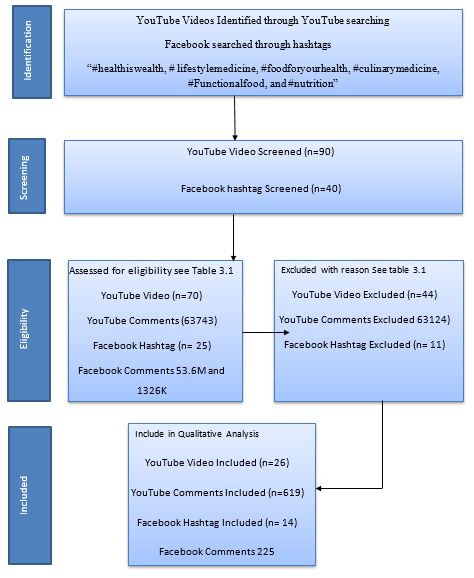
Flow Chart: PRISMA flow diagram adapted from [78,79]
FIGURE 2
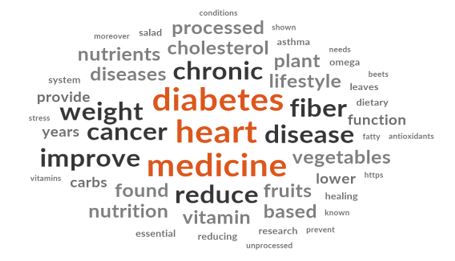
Figure 1: Word Cloud of Food as Therapeutic Medicine
FIGURE 3
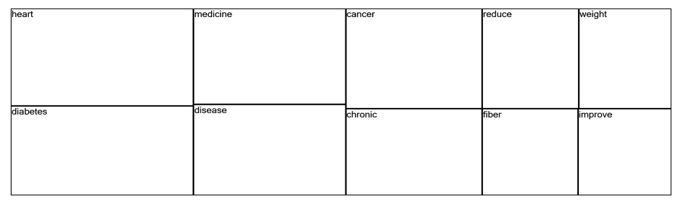
Figure 2: Treemap of Food as Therapeutic Medicine
FIGURE 4
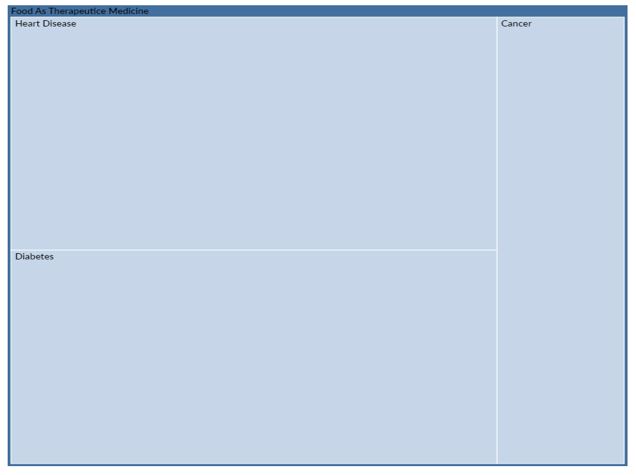
Figure 3: Hierarchy Chart of Food as Therapeutic Medicine
FIGURE 5
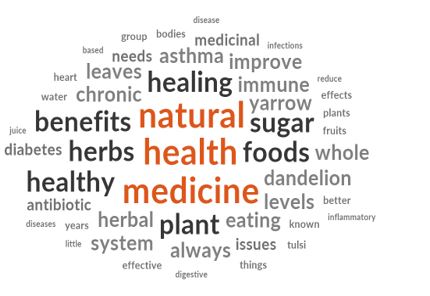
Figure 4: Word tree of Food as Preventive medicine
FIGURE 6
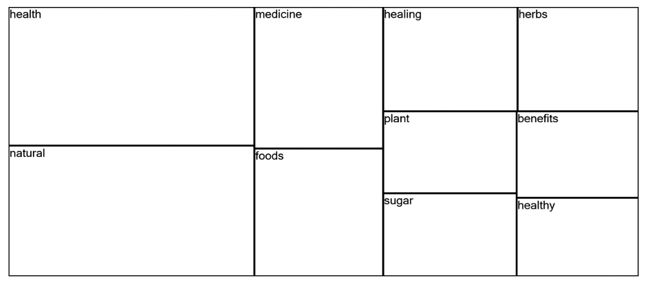
Figure 5: Treemap of Food as Preventive medicine
FIGURE 7
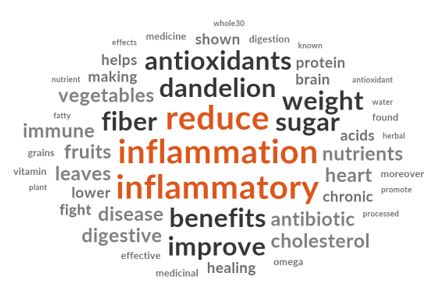
Figure 6: Word Cloud of Food as Preventive medicine
FIGURE 8
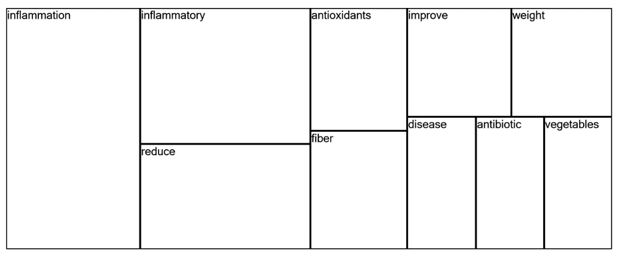
Figure 7: Treemap of Food as Preventive Medicine
FIGURE 9
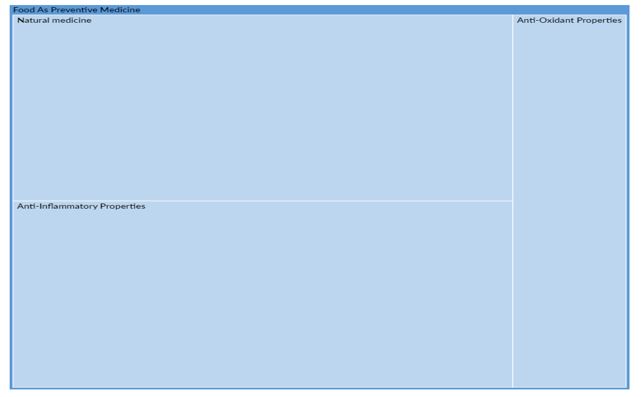
Figure 8: Hierarchy Chart of Food as Preventive Medicine
FIGURE 10
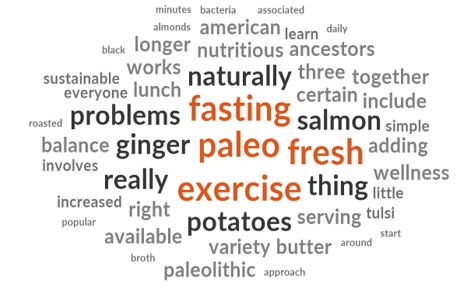
Figure 9: Word Cloud of Healthy Aging
FIGURE 11
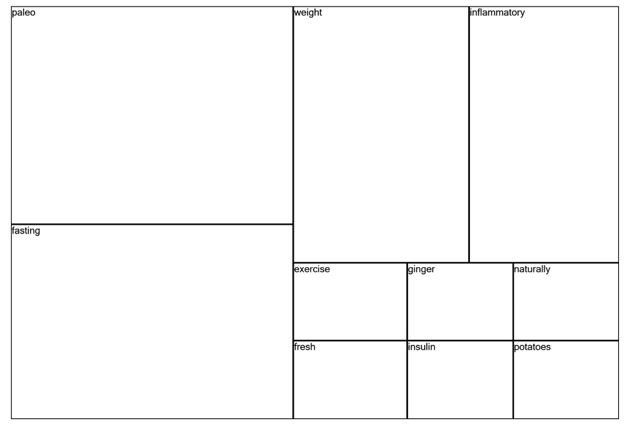
Figure 10: Treemap of Healthy Aging
FIGURE 12
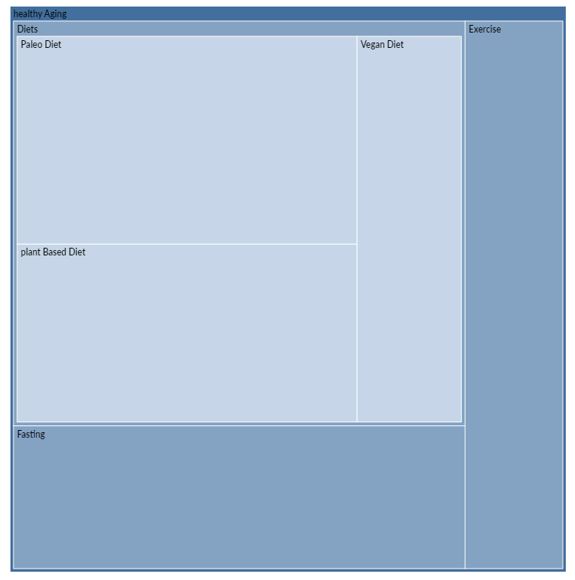
Figure 11: Hierarchy Chart of Healthy Aging
Tables at a glance
Figures at a glance