
Reishi Mushrooms (Ganoderma spp.): Biology, Traditional Uses, Identification, and Evidence-Based Health Benefits
AFFILIATIONS
Received Date: June 16, 2026 Accepted Date: June 23, 2026 Published Date: June 25, 2026
doi: 10.17303/jfn.2026.12.103
Citation: Amaranthus Michael (2026) Reishi Mushrooms (Ganoderma spp.): Biology, Traditional Uses, Identification, and Evidence-Based Health Benefits. J Food Nutr 12: 1-13.
Abstract
Reishi mushrooms (Ganoderma spp.) have been used in traditional Asian medicine for more than 2,000 years and are receiving increasing attention in modern biomedical research for their potential therapeutic properties. This review summarizes the biology, cultivation, identification, historical use, and clinical evidence associated with important reishi species, including Ganoderma lucidum, G. oregonense, G. tsugae, and G. applanatum. Reishi contains a diverse array of bioactive compounds, including polysaccharides, β-glucans, triterpenoids, glycoproteins, and ganoderic acids, which have demonstrated immunomodulatory, antioxidant, anti-inflammatory, and anticancer activities. Human clinical studies suggest that reishi supplementation may enhance immune function, reduce cancer-related fatigue, improve quality of life during cancer treatment, and alleviate lower urinary tract symptoms. However, current evidence does not consistently support its use for improving cardiovascular risk factors or glycemic control. Although reishi is generally considered safe and well tolerated, larger, long-term, randomized controlled trials are needed to confirm efficacy, establish optimal dosing strategies, and evaluate its therapeutic potential across diverse populations.
Keywords: Reishi; Ganoderma Lucidum; Identification; Habitat; Uses; Medicinal Mushrooms; Β-Glucans; Immunomodulation; Cancer Supportive Care; Clinical Evidence; Dietary Supplements
Introduction
The discovery of penicillin from the fungus Penicillium in 1928 revolutionized modern medicine and highlighted the potential of fungi as sources of biologically active compounds. Since then, scientific interest in fungi has expanded beyond antibiotics to include medicinal mushrooms with potential therapeutic applications. Many mushroom species have long histories of use in traditional medicine, and a growing body of research has investigated their roles in supporting human health.
Consumer interest in functional foods and dietary supplements has increased substantially in recent decades. Functional foods are defined as foods that provide health benefits beyond basic nutrition, often due to the presence of bioactive compounds capable of influencing physiological processes. Medicinal mushrooms have become an important component of this trend toward personalized nutrition, preventive healthcare, and holistic wellness.
Among medicinal fungi, species of the genus Ganoderma, commonly known as reishi (pronounced “ray-shee”), have received considerable attention. Reishi mushrooms contain a variety of bioactive compounds, including polysaccharides, glycoproteins, β-glucans, triterpenoids, and ganoderic acids, which have been associated with immunomodulatory, antioxidant, anti-inflammatory, and potential anticancer activities. Although traditional use and laboratory research provide promising evidence, human clinical studies remain limited, and further investigation is needed to establish efficacy, safety, and optimal therapeutic applications.
What are Reishi Mushrooms?
Reishi mushrooms are wood-decaying fungi that produce characteristic fruiting bodies, often referred to as conks or bracket fungi. These structures typically grow on dead or dying trees, logs, and stumps. Other reishi species exist globally and naturally grow in temperate regions of Europe, Asia, and North and South America. Reishi fungal mycelium (a mass of individual fungal threads) and fruiting bodies perform an ecosystem function, removing the dead organic debris that would pile up in forests if they were not present.
Different reishi species occupy distinct ecological niches. The Asian reishi (Ganoderma lucidum) is commonly associated with hardwood species such as oak, maple, elm, willow, and locust throughout Asia. The artist's conk (Ganoderma applanatum) is primarily associated with hardwoods throughout North America. In contrast, the western varnished conk (Ganoderma oregonense) occurs on conifers in western North America, while the hemlock varnish shelf (Ganoderma tsugae) is most commonly found on eastern hemlock forests in eastern North America.
The taxonomy of the genus Ganoderma has long been challenging because of considerable morphological variation and overlapping diagnostic characteristics among species. Historically, many varnished Ganoderma specimens from different geographic regions were collectively identified as Ganoderma lucidum. However, advances in molecular phylogenetics have demonstrated that many varnished Ganoderma such as Ganoderma oregonense and Ganoderma tsugae are distinct species. DNA sequence analyses using markers such as the internal transcribed spacer (ITS) have revealed significant genetic divergence among morphologically similar taxa. Ganoderma lingzhi is a closely related Asian species that looks morphologically much like Ganoderma lucidum and shares similar biological and pharmacological properties. Molecular characterization has become essential for accurate Ganoderma species identification, and the interpretation of biological, pharmacological, and ecological studies.
In addition to occurring naturally in forests, the Asian reishi mushroom is primarily cultivated commercially using sterilized hardwood-based substrates in controlled indoor environments or on inoculated outdoor logs. Warm temperatures and high humidity facilitate mycelial colonization and fruiting body development. Because reishi fruiting bodies are woody and fibrous, they are generally not consumed as food but are instead processed into teas, powders, extracts, tinctures, and capsules.
Reishi: A Rich History of Medicinal Use
The Asian reishi (Ganoderma lucidum) has been used medicinally in China for more than 2,000 years. Historical records from the Eastern Han Dynasty (AD 25–220) describe its medicinal value, and depictions of reishi have appeared in Chinese art, carvings, and decorative objects since at least the fifteenth century. Texts from the Ming Dynasty (AD 1368–1644) reported that reishi was used to enhance vitality, support cardiovascular health, and improve memory.
Because of its perceived health benefits and relative scarcity, reishi was historically reserved for members of the imperial court and wealthy families. Its association with longevity and vitality led to its designation as the “divine mushroom” in China. Across East Asia, reishi has acquired several culturally significant names. In Japan it is known as “Reishi,” often translated as “spiritual potency,” while in China it is called “Lingzhi,” meaning “mushroom of spiritual power” or “divine mushroom.” In Korea it is referred to as “Youngzhi,” meaning “mushroom of immortality.”
Today, reishi is harvested from natural forests and cultivated commercially on a large scale. Advances in cultivation technology have increased its availability and affordability, contributing to its widespread use throughout Asia and growing popularity in North America and Europe.
Modern Preparations and Use
Reishi is widely marketed as a dietary supplement and is available in a variety of forms, including teas, powders, capsules, extracts, and tinctures. It is also incorporated into functional food products such as coffee blends, teas, chocolates, and nutritional beverages.
Commercial products typically contain either ground fruiting bodies or mycelium cultivated on sterilized grain substrates. Powdered preparations are commonly added to smoothies and nutritional shakes, whereas capsules offer a convenient and standardized method of consumption.
Wild-collected specimens of G. lucidum, G. applanatum, and varnished conk species may be air-dried and processed into small pieces for tea preparation or extraction. Reishi species have no known poisonous look-alikes, making identification relatively straightforward for experienced foragers [1]. Nevertheless, specimens should be harvested before significant decay or mold development occurs.
Traditional preparations commonly involve simmering dried reishi pieces in water to produce a medicinal tea. Because reishi contains bitter triterpenoids, many users add fruit juice or natural sweeteners to improve palatability.
Identification of Reishi Species
Asian Reishi (Ganoderma lucidum)
The Asian reishi, commonly referred to as reishi or lingzhi, is characterized by a distinctive fan- to kidney-shaped fruiting body with a lacquered, varnished appearance. Cap coloration varies from reddish-orange to dark brown, often with concentric zoning of lighter and darker pigments. A lateral or central stipe is typically present, and the pore surface on the underside is white to cream in young specimens, becoming yellowish with age. The texture is woody and cork-like at maturity.
This species is widely distributed across Asia and is commonly associated with hardwood hosts, including oak (Quercus spp.), maple (Acer spp.), elm (Ulmus spp.), willow (Salix spp.), and locust (Robinia spp.). Although historically considered primarily an Asian species, related populations have been reported in parts of North America and Europe, though taxonomic clarification within the Asian reishi (Ganoderma lucidum) species complex remains an active area of mycological research.
Commercial cultivation of G. lucidum is well established in China, Japan, and Korea, using both solid-state fermentation and log-based production systems. These methods allow for standardized production of fruiting bodies and mycelial biomass for medicinal and nutraceutical use.
Western Varnished Conk (Ganoderma oregonense) and Hemlock Varnish Shelf (Ganoderma tsugae)
These North American species are wood-decaying bracket fungi commonly found on coniferous hosts. Western varnished conk (Ganoderma oregonense) occurs primarily in western North America on dead or declining conifers, while hemlock varnish shelf (G. tsugae) primarily occurs in eastern North America and is strongly associated with eastern hemlock (Tsuga canadensis).
Both species form shelf-like, perennial fruiting bodies with a glossy, varnished upper surface ranging in color from reddish-brown to mahogany. The pore surface is white to pale yellow and may darken or stain brown when bruised. Unlike many edible mushrooms, these species are too tough for culinary use and are primarily processed into extracts, powders, or decoctions.
Artist’s Conk (Ganoderma applanatum)
The artist’s conk is a widespread polypore species found primarily on hardwood trees in temperate forests. It is characterized by a large, perennial, shelf-like fruiting body with a dull, non-varnished brown to gray upper surface featuring concentric growth zones and ridges.
A distinguishing feature is the white pore surface on the underside, which darkens to brown when scratched or bruised. This trait has led to its traditional use as a natural drawing medium, allowing for detailed etchings that can persist for long periods.
Ecologically,G. applanatum plays an important role in wood decomposition and nutrient cycling in forest ecosystems. Like other Ganoderma species, it is not considered edible due to its woody texture but is used in traditional preparations as teas or extracts.
Potential Health Benefits of Reishi
To determine the health benefits of Reishi a literature search was performed using major academic databases, including PubMed, and Google Scholar. Keywords and combinations of keywords related to Reishi (Ganoderma spp.) and active compounds were used. The search focused primarily on peer-reviewed articles published in English between 2000 and 2025.
Literature was selected based on its relevance to the review objectives, scientific quality, and contribution to the understanding of the topic. Studies were included if they provided original research findings, comprehensive reviews, or significant theoretical insights related to the medicinal benefits of Reishi species. Articles with insufficient methodological detail, limited relevance, or duplicate findings were excluded. The selected literature was then analyzed and synthesized to identify Reishi key properties, challenges, limitations, and future research directions.
Anticancer and Immunomodulatory Properties
Reishi mushrooms have been widely investigated for their potential anticancer and immunomodulatory effects [2, 3]. In traditional Chinese medicine, Ganoderma species have long been used as adjunctive therapy for cancer-related conditions. Contemporary research has focused primarily on bioactive polysaccharides, triterpenoids, ganoderic acids, which may influence immune signaling pathways and tumor biology.
Mechanisms of Action of Major Bioactive Compounds in Ganoderma
The diverse pharmacological properties of Ganoderma species are primarily attributed to several classes of bioactive compounds, including polysaccharides (particularly β-glucans), triterpenoids, and ganoderic acids. These compounds exert their biological effects through distinct but often complementary molecular mechanisms.
β-Glucans
β-Glucans are among the most extensively studied polysaccharides in Ganoderma. Their biological activity is mainly associated with immunomodulation. β-Glucans interact with recognition receptors on macrophages, dendritic cells, neutrophils, and natural killer cells. Activation of these receptors stimulates signaling pathways, leading to the production of cytokines, and other immune mediators. Through these mechanisms, β-glucans enhance innate and adaptive immune responses and may contribute to antitumor and anti-infective activities.
Triterpenoids
Triterpenoids constitute another major class of bioactive compounds in Ganoderma and are responsible for many of its anti-inflammatory and anticancer properties. These compounds can modulate multiple signaling pathways involved in inflammation and cell survival. By suppressing the expression of pro-inflammatory cytokines and inflammatory enzymes, triterpenoids help reduce oxidative stress and inflammatory responses. In cancer cells, they have been reported to induce cell death, inhibit cell proliferation, and suppress tumor invasion and metastasis although more human studies are necessary to determine cause and effect.
Ganoderic Acids
Ganoderic acids are highly oxygenated triterpenoids unique to Ganoderma species and have attracted considerable attention because of their potent biological activities. Studies have shown that ganoderic acids can induce programmed cell death through mitochondrial-dependent pathways and inhibit angiogenesis. They may also interfere with signaling pathways associated with cancer development and progression. In addition, ganoderic acids exhibit antioxidant and anti-inflammatory effects, contributing to their potential therapeutic applications in chronic inflammatory diseases and cancer.
Overall, the pharmacological activities of Ganoderma result from the synergistic actions of multiple bioactive constituents. Understanding the molecular mechanisms of these compounds provides a stronger scientific basis for the therapeutic potential of Ganoderma and supports the development of evidence-based medicinal applications.
In vitro and animal studies suggest that reishi-derived compounds may exert antiproliferative, pro-apoptotic, anti-angiogenic, and anti-metastatic effects. Mechanistically, these effects are thought to involve modulation of natural killer (NK) cell activity, macrophage activation, and regulation of cytokine expression.
Human clinical evidence remains limited but suggestive [table 1]. A randomized study by Oka et al. [4] reported reduced progression of colorectal adenomas in participants receiving a reishi extract compared with controls. Additional small-scale clinical studies indicate potential benefits as an adjunct therapy in oncology settings, including improved immune markers [5] and reduced chemotherapy-related side effects. Jin et al. 2020 [6] found their data illustrated that reishi polysaccharide could alleviate the activity and aggressiveness, block the cell cycle, and promote the apoptosis of cervical cancer cells. Jiao et al. 2020 [7] found that reishi extract induces apoptosis of breast cancer cells in vitro and in vivo. Side effects of reishi use were infrequent and generally related to minor nausea or sleep disturbances. Some research has also investigated if reishi could be beneficial for prostate and colorectal cancer [8-10] due to its effects on inflammation, immunomodulation and certain signaling pathways involved in cancer development. However, these findings are constrained by small sample sizes, heterogeneity of preparations, and variability in study design.
Overall, current evidence supports a potential role for reishi as a complementary agent in cancer care, but not enough data exists as a stand-alone therapeutic intervention.
Quality of Life during Cancer Therapy
Several clinical studies have evaluated reishi supplementation in patients undergoing chemotherapy or endocrine therapy. Findings suggest potential improvements in fatigue, anxiety, and overall quality-of-life indices when reishi is used alongside conventional cancer treatments [11-13].
For example, randomized and pilot studies have reported improvements in immune parameters, including T-lymphocyte activity, in patients with advanced-stage cancers receiving reishi extracts in combination with standard therapy. Other studies have observed reductions in cancer-related fatigue and psychological distress, although effect sizes vary across trials.
Despite these encouraging findings, methodological limitations—including small sample sizes, short intervention durations, and geographic concentration of studies in East Asia—limit generalizability. Further large-scale, placebo-controlled clinical trials are needed to confirm these effects.
Immune Function in Healthy and Clinical Populations
Reishi mushrooms have demonstrated immunomodulatory effects in both healthy individuals and clinical populations. Preclinical studies suggest that bioactive compounds in reishi species. can influence gene expression in immune cells and modulate inflammatory signaling pathways. In human studies, reishi supplementation has been associated with changes in lymphocyte subsets and increased activity of immune effector cells under conditions of physiological stress, such as intensive exercise or illness. [14-16]. However, evidence in healthy populations remains limited, and observed effects are generally modest.
Lower Urinary Tract Symptoms
Emerging clinical evidence suggests that reishi may have beneficial effects on lower urinary tract symptoms (LUTS), commonly associated with benign prostatic hyperplasia. LUTS refers to urinary symptoms like urinary retention, incomplete bladder emptying, and a weak urine stream. LUTS is most commonly caused by benign prostatic hyperplasia (BPH), a medical condition that causes a non-cancerous enlargement of the prostate.
Due to its anti-inflammatory effects, reishi may help reduce LUTS. For example: A study that included 50 men with LUTS found that the men treated with daily doses of 6 milligrams (mg) and 60 mg of reishi extract for eight weeks experienced significant reductions in LUTS symptoms compared to a placebo group [17].
Another study randomly assigned 88 men over the age of 49 years who had slight-to-moderate LUTS to 12 weeks of treatment with G. lucidum extract (6 mg once a day) or placebo in the same year found that treatment with 6 mg of reishi extract per day for 12 weeks significantly improved LUTS symptoms compared to a placebo treatment. [18]
Although findings are statistically significant in some studies, the clinical relevance remains uncertain due to small sample sizes and short treatment durations. Additional confirmatory trials are required before definitive clinical recommendations can be made.
Cardiovascular and Glycemic Outcomes
Despite promising findings from early preclinical and observational studies, more recent controlled human trials and meta-analyses have not demonstrated consistent effects of reishi supplementation on blood glucose regulation, lipid profiles, or cardiovascular risk markers [19,20,21].
For example, randomized controlled trials in individuals with type 2 diabetes have shown no significant improvement in fasting glucose or HbA1c levels compared with placebo. Similarly, systematic reviews have concluded that evidence is insufficient to support reishi as a treatment for metabolic or cardiovascular disorders.
These findings highlight the importance of distinguishing between preclinical promise and clinically validated efficacy in human trials. Table 1. Summarizes Human Clinical Trials Investigating Ganoderma lucidum (Asian Reishi).
Dosage, Safety, and Drug Interactions
Dosage and Administration
Reishi (Ganoderma spp.) is available in multiple formulations, including dried fruiting body powders, hot-water or ethanol extracts, capsules, and teas. Dosage varies depending on product type, extraction method, and concentration of active compounds.
Typical dosages reported in clinical studies range from approximately 1–5 g/day of dried mushroom powder or 1–6 g/day of standardized extracts, often administered in divided doses. Some studies use higher doses depending on the clinical indication and formulation. Because product standardization varies widely across commercial preparations, direct comparison of dosing across studies is limited.
Given this variability, there is no universally established therapeutic dose. Clinical guidance should be individualized, and users are advised to consult healthcare professionals before initiating supplementation, particularly in the context of chronic disease or concurrent medication use.
Safety Profile
Reishi is generally regarded as safe and well tolerated when used within commonly studied dosage ranges. Clinical trials have reported a low incidence of adverse effects, and most are mild and transient. Long-term safety data beyond one year remain limited.
Reishi is not recommended during pregnancy or lactation due to insufficient safety evidence in these populations. As with all bioactive supplements, product quality, sourcing, and standardization are important considerations for safety and reproducibility of effects.
Potential Drug Interactions
Reishi may interact with several classes of medications due to its immunomodulatory and anticoagulant-like properties. Potential interactions include:
- Anticoagulants and antiplatelet agents (e.g., warfarin): possible increased risk of bleeding.
- Immunosuppressive drugs: potential reduction in therapeutic effectiveness due to immune stimulation.
- Antidiabetic medications: potential additive effects on glucose regulation, although clinical evidence remains inconsistent.
Patients taking prescription medications should consult a qualified healthcare provider before using reishi supplements.
Adverse Effects
Reported adverse effects of reishi supplementation are generally mild and may include:
- Gastrointestinal discomfort
- Nausea
- Dizziness
- Dry mouth
- Skin rash
- Throat irritation
These effects are typically self-limiting and resolve upon discontinuation. Severe adverse events are rare in clinical literature but have been infrequently reported in case studies involving concentrated extracts or prolonged use.
Conclusions
Reishi mushrooms (Ganoderma spp.) have a long history of medicinal use in traditional Asian systems, spanning more than two millennia. In contrast, modern clinical research investigating their therapeutic potential has developed primarily over the past few decades and remains relatively limited in scale.
Current evidence suggests that reishi contains bioactive compounds with immunomodulatory, antioxidant, and anti-inflammatory properties, which may contribute to observed biological effects in preclinical and early clinical studies. Human trials indicate potential benefits in immune modulation, supportive cancer care (particularly quality of life and fatigue outcomes), and lower urinary tract symptom management.
However, evidence for metabolic and cardiovascular benefits remains inconsistent, and well-controlled clinical trials have not demonstrated significant effects on blood glucose or lipid profiles. Additionally, many existing studies are limited by small sample sizes, short duration, and variability in reishi preparations, which restricts the strength of clinical conclusions.
Overall, reishi appears to be a generally safe functional mushroom with promising but not yet fully established therapeutic applications. Larger, long-term, randomized controlled trials using standardized preparations are needed to better define its efficacy, safety profile, and clinical utility across diverse populations.
Reishi should be considered a complementary health product rather than a primary therapeutic intervention. Clinical use should be guided by healthcare professionals, particularly when used alongside conventional medical treatments.
- Amaranthus M, (2022) Fry, Thrive or Die: A Pocket Guide to Mushrooms. Gatekeeper Press; 325 p. ISBN 9781662931048.
- Ahmad MF (2020) Ganoderma lucidum: A rational pharmacological approach to surmount cancer. J Ethnopharmacol. 260: 113047.
- Sohretoglu D, Huang S (2018) Ganoderma lucidum polysaccharides as an anticancer agent. Anticancer Agents Med Chem. 18: 667-74.
- Oka S, Tanaka S, Yoshida S, et al. (2010) A water-soluble extract from cultured mycelia of Ganoderma lucidum suppresses development of colorectal adenomas. Hiroshima J Med Sci. 59: 1-6.
- Chen X, Hu ZP, Yang XX, et al. (2006) Monitoring of immune responses to a herbal immunomodulator in patients with advanced colorectal cancer. Int Immunopharmacol. 6: 499-508.
- Jin H, Song C, Zhao Z, Zhou G (2020) Ganoderma lucidum polysaccharide suppresses cervical cancer cell malignancy via modulation of epithelial–mesenchymal transition and JAK/STAT5 signaling. Pharmacology. 105: 461-70.
- Jiao C, Chen W, Tan X, et al. (2020) Ganoderma lucidum spore oil induces apoptosis of breast cancer cells in vitro and in vivo via caspase activation. J Ethnopharmacol. 247: 112256.
- Zhao X, Zhou D, Liu Y, et al. (2018) Ganoderma lucidum polysaccharide inhibits prostate cancer cell migration via PRMT6 signaling pathway. Mol Med Rep. 17: 147-57.
- Liu MM, Liu T, Yeung S, et al. (2021) Inhibitory activity of Ganoderma lucidum on colorectal cancer by attenuating inflammation. Precis Clin Med. 4: 231-45.
- Gao Y, Zhou S, Jiang W, et al. (2003) Effects of ganopoly (Ganoderma lucidum polysaccharide extract) on immune functions in advanced-stage cancer patients. Immunol Invest. 32: 201-15.
- Zhao H, Zhang Q, Zhao L, et al. (2012) Spore powder of Ganoderma lucidum improves cancer-related fatigue in breast cancer patients undergoing endocrine therapy: a pilot clinical trial. Evid Based Complement Alternat Med. 2012: 809614.
- Suárez-Arroyo IJ, Acevedo-Díaz A, Ríos-Fuller TJ, et al. (2022) Ganoderma lucidum enhances carboplatin chemotherapy effect by inhibiting DNA damage response and stemness. Am J Cancer Res. 12: 1282-94.
- Jin X, Ruiz Beguerie J, Sze DM, Chan GC (2016) Ganoderma lucidum (Reishi mushroom) for cancer treatment. Cochrane Database Syst Rev. 4.
- Wang X, Lin Z (2019) Immunomodulating effects of Ganoderma (Lingzhi) and possible mechanisms. Adv Exp Med Biol. 1182: 1-37.
- Cheng CH, Leung AY, Chen CF (2010) Effects of two Ganoderma species on gene expression in human monocytic THP-1 cells. Nutr Cancer. 62: 648-58.
- Zhang Y, Lin Z, Hu Y, Wang F (2008) Effect of Ganoderma lucidum capsules on T lymphocyte subsets in football players under training stress. Br J Sports Med. 42: 819-22.
- Noguchi M, Kakuma T, Tomiyasu K, et al. (2008) Effect of Ganoderma lucidum extract in men with lower urinary tract symptoms: randomized, placebo-controlled dose-ranging study. Asian J Androl. 10: 651-8.
- Konishi F, Kumamoto S, Shimizu K, et al. (2008) Randomized clinical trial of Ganoderma lucidum ethanol extract in men with lower urinary tract symptoms. Asian J Androl. 10: 777-85.
- Wachtel-Galor S, Tomlinson B, Benzie IF (2004) Ganoderma lucidum (“Lingzhi”) biomarker responses in a controlled human supplementation study. Br J Nutr. 91: 263-9.
- Klupp NL, Chang D, Hawke F, et al. (2015) Ganoderma lucidum mushroom for the treatment of cardiovascular risk factors: a systematic review. Cochrane Database Syst Rev. 2.
- Chiu HF, Fu HY, Lu YY, et al. (2017) Ganoderma lucidum: randomized double-blind placebo-controlled crossover study on antioxidation and hepatoprotection. Pharm Biol. 55: 1041-6.
FIGURE 1
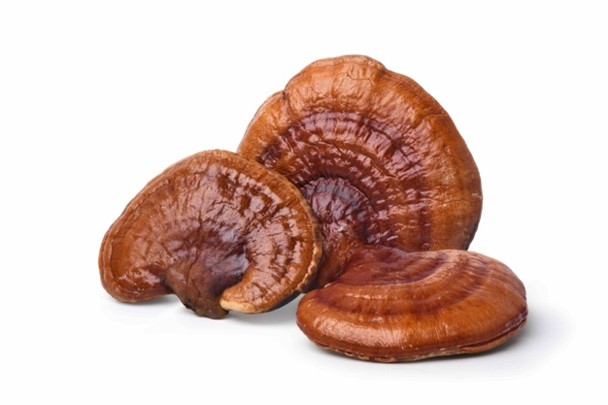
Figure 1: Asian reishi (Ganoderma lucidum)
FIGURE 2
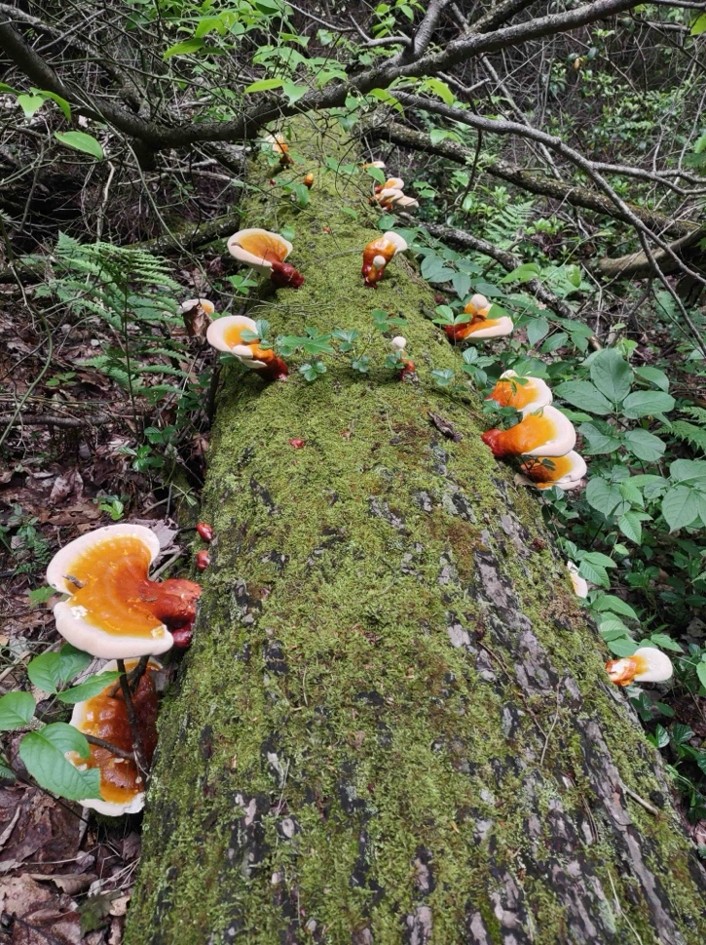
Figure 2: Asian reishi (Ganoderma lucidum) growing on a hardwood log
FIGURE 3
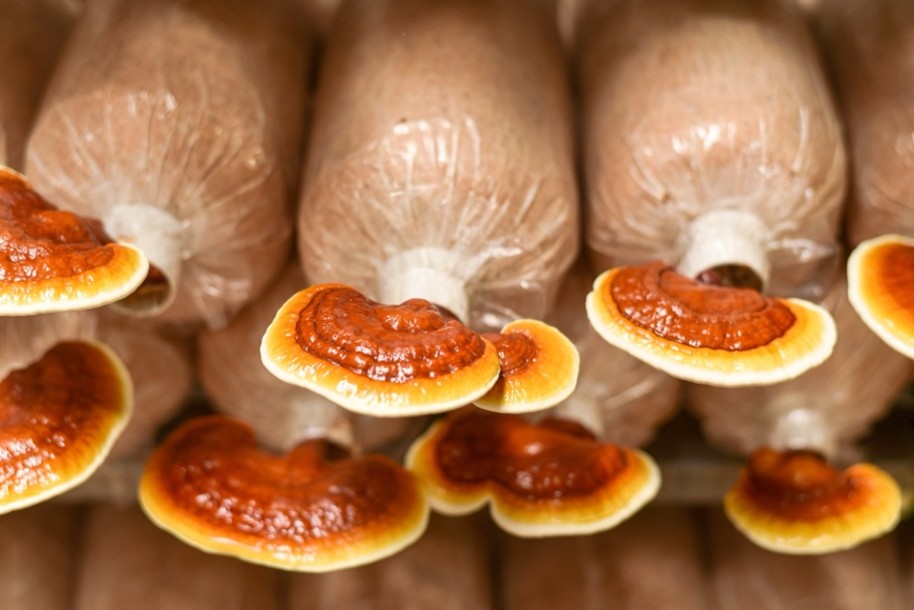
Figure 3: Asian reishi (Ganoderma lucidum) growing in indoors on sterilized hardwood sawdust.
FIGURE 4
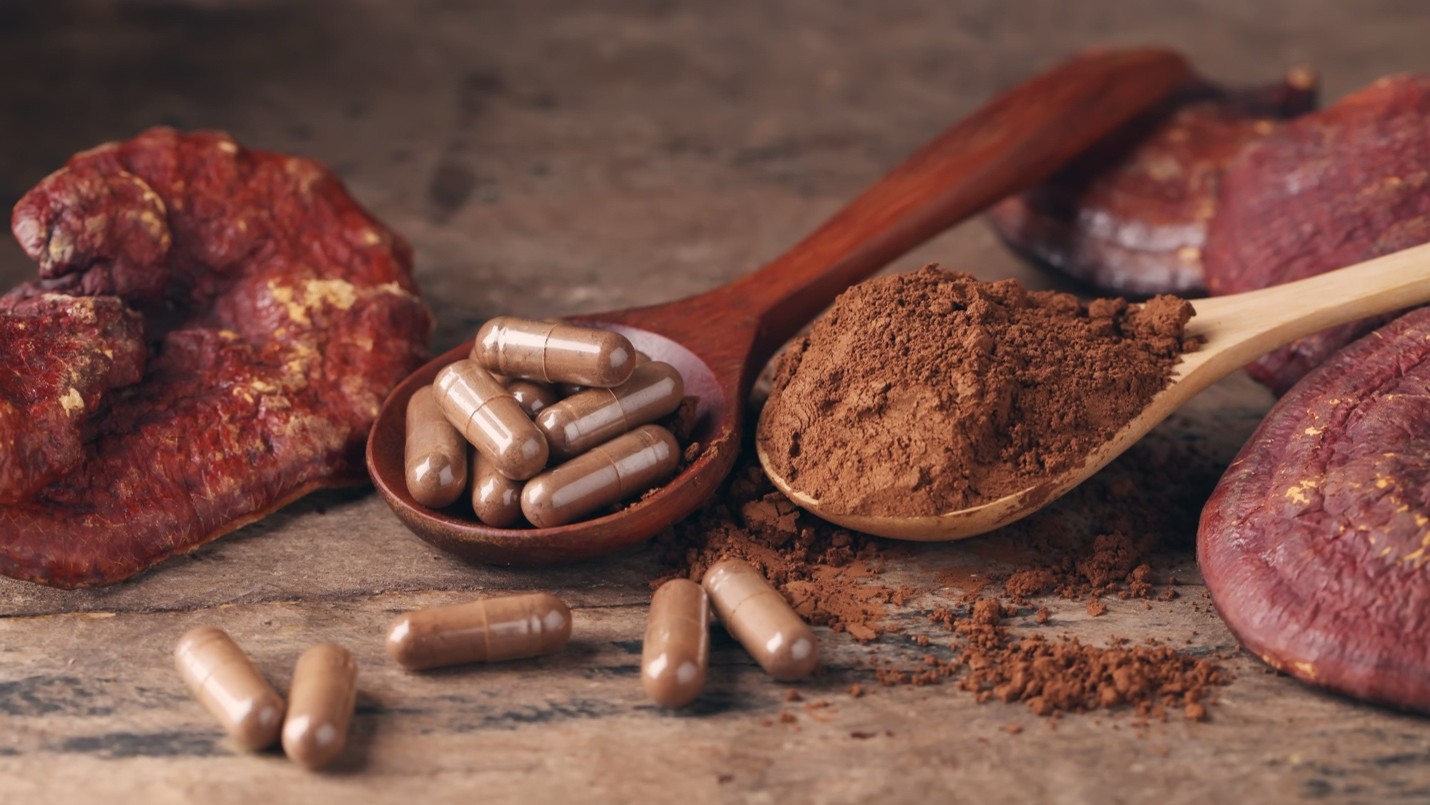
Figure 4: Reishi conks, capsules and powder
FIGURE 5
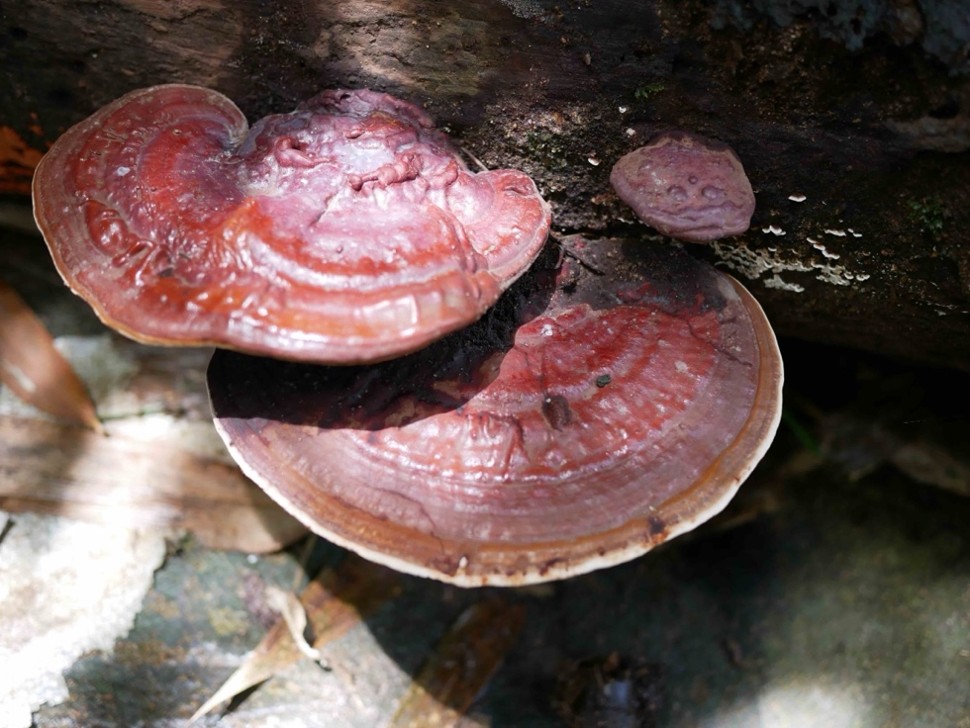
Figure 5: Western varnish conk (Ganoderma oregonense)
FIGURE 6
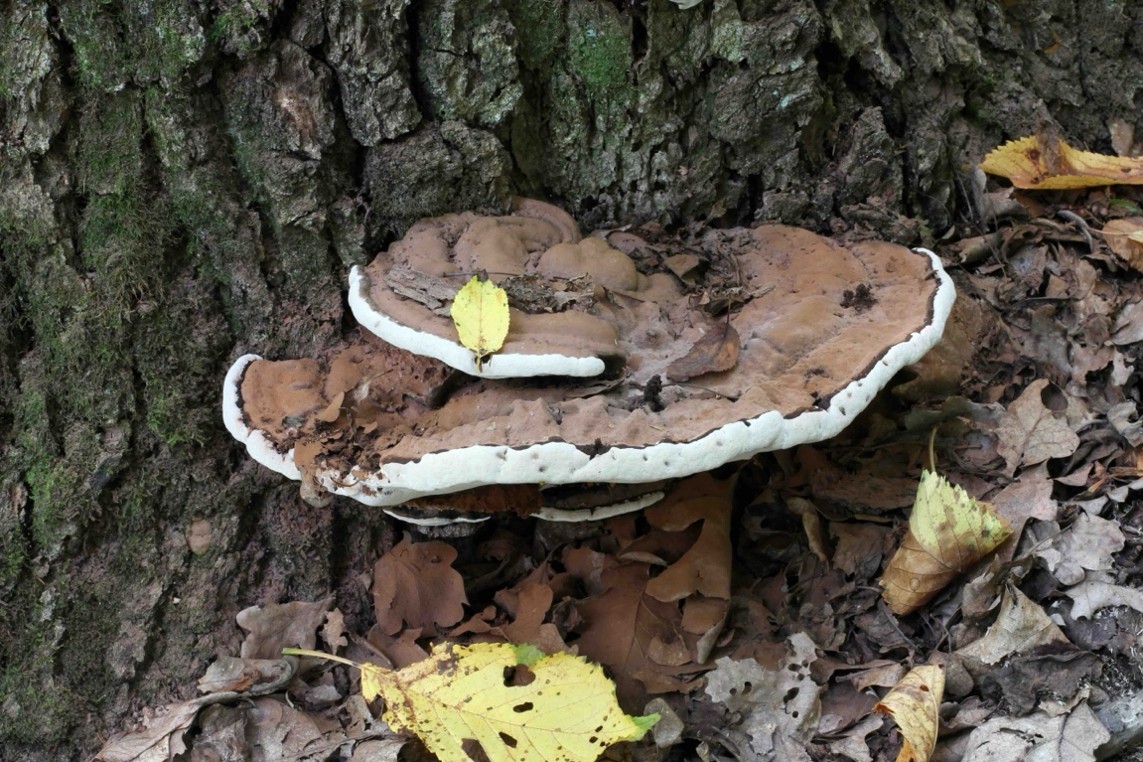
Figure 6: Artist’s conk (Ganoderma applanatum)
FIGURE 7

Figure 7: Reishi has improved quality of life conditions when used with conventional cancer treatments.
Tables at a glance
Figures at a glance