
Turkey Tail Mushroom (Trametes versicolor): A Colorful Mushroom with Powerful Medicinal Properties
Received Date: June 20, 2026 Accepted Date: June 29, 2026 Published Date: July 02, 2026
doi:10.17303/jfn.2026.12.201
Citation: Amaranthus Michael (2026) Turkey Tail Mushroom (Trametes versicolor): A Colorful Mushroom with Powerful Medicinal Properties. J Food Nutr 12: 1-14
Abstract
Trametes versicolor (turkey tail) is a globally distributed wood-decaying fungus recognized by its distinctive multicolored concentric bands resembling the tail feathers of a wild turkey. Among medicinal mushrooms, turkey tail is one of the most extensively researched due to its diverse bioactive compounds and documented therapeutic potential. The mushroom contains two unique polysaccharide-protein complexes, polysaccharide-K (PSK) and polysaccharide peptide (PSP), which exhibit potent immunomodulatory properties through activation of natural killer cells, T cells, B cells, cytokine production, and other immune pathways. Numerous laboratory, animal, and human clinical studies have investigated its role as an adjunctive therapy in cancer treatment, particularly in colorectal, gastric, breast, and lung cancers. Clinical evidence suggests that PSK and PSP may enhance survival outcomes, reduce recurrence rates, and support immune recovery when combined with conventional therapies. Turkey tail is also rich in phenolic compounds, flavonoids, beta-glucans, vitamins, and other antioxidants that help mitigate oxidative stress and inflammation. Additionally, its prebiotic polysaccharides promote beneficial gut microbiota, supporting digestive and immune health. Although generally safe and well tolerated, turkey tail should be used under medical supervision, particularly in individuals receiving cancer treatment or immunomodulatory medications. Overall, T. versicolor represents a valuable functional mushroom with significant applications in integrative health and supportive cancer care.
Keywords: Trametes versicolor, Turkey tail mushroom, Polysaccharide-K (PSK), Polysaccharide peptide (PSP), Medicinal mushrooms, Immunomodulation, Cancer adjuvant therapy, Beta-glucans, Antioxidants, Gut microbiome, Prebiotics, Natural killer cells, Functional foods, Integrative medicine, Immune health.
Introduction
You may wonder why this mushroom is named after such an unusual animal body part. However, when you see this remarkable medicinal fungus, the name makes perfect sense. Turkey tail mushroom (Trametes versicolor) displays flat, fan-shaped fruiting bodies with concentric bands of multiple colors that resemble the tail feathers of a wild turkey—albeit on a much smaller scale.
Medicinally speaking, however, turkey tail is certainly “no turkey.” It contains some of the most extensively studied bioactive compounds found in any medicinal mushroom. This article reviews the compounds and mechanisms that make turkey tail an important functional mushroom for promoting human health. It also discusses how to identify turkey tail in the wild and where it can be found. Because turkey tail has no known toxic look-alikes, it is considered one of the safest mushrooms for beginning foragers and a valuable addition to the medicinal mushroom cabinet [1].
What Makes Turkey Tail Medicinally Important?
Turkey tail contains two unique bioactive compounds—polysaccharide-K (PSK, also known as polysaccharide krestin) and polysaccharide peptide (PSP)—that support immune function and exhibit anti-cancer properties. The effects of these compounds have been extensively documented through laboratory, animal, and human clinical studies.
For decades, turkey tail extracts and their constituents have been evaluated in human clinical trials (Table 1). In several Asian countries, PSK is approved as an adjunct therapy for certain cancers, where it is used alongside conventional treatments to help slow tumor progression and improve responses to chemotherapy.
Turkey tail is also rich in antioxidants, including flavonoids and phenolic compounds, which help reduce inflammation and protect cells from oxidative damage caused by free radicals. Its fiber content may support beneficial gut bacteria, contributing to a healthier gut microbiome and improved digestive function. In addition, turkey tail contains vitamin D and several B vitamins, including niacin, which are important for cellular metabolism and bone health.
Although its colorful appearance resembles the tail feathers of a turkey, there is nothing ordinary about the medicinal potential of this fungus.
What Are Turkey Tail Mushrooms?
Turkey tail (Trametes versicolor) commonly grows on logs, stumps, and dead trunks of hardwood trees such as maple, willow, birch, beech, and oak. It is widely distributed throughout the world and is among the most common wood-decaying fungi found in temperate forests.
Form and Size
Turkey tail mushrooms range from small to medium in size and typically grow in overlapping clusters that form rosette-like or fan-shaped shelves. Fruiting bodies are conspicuously zoned with bands of varying colors and often possess a velvety or finely hairy surface.
The mushroom lacks a true stalk or has only a very short attachment point. The undersurface contains tiny pores that range from white to pale brown. Unlike some similar species, the pore surface does not stain when bruised. Young specimens are flexible and leathery, while older specimens become hard, rigid, and woody.
Color, Fragrance, and Edibility
Coloration is highly variable, ranging from gray and charcoal to cinnamon, reddish-brown, tan, and dark brown arranged in alternating concentric zones. Fresh young specimens may have a mild fruity aroma.
Although edible in the technical sense, turkey tail is far too tough and leathery to be consumed as a culinary mushroom. Instead, it is widely used as a medicinal mushroom in dried, powdered, encapsulated, and tincture forms. It is also commonly cultivated as mycelium for use in dietary supplements.
Habitat and Distribution
Turkey tail is found worldwide on stumps, logs, and dead or dying hardwood trees. As a saprobic fungus, it decomposes dead wood and plays an important ecological role in nutrient recycling and forest health. By breaking down woody debris, turkey tail helps return nutrients to the soil and creates space for new plant growth.
Its distribution is remarkably broad. In North America, it is common in most forested regions and can be harvested year-round. It is also widespread throughout Europe, Asia, South America, and many other temperate and subtropical regions.
Commercial Cultivation
Turkey tail can be cultivated by first propagating mycelium on sterilized grain to produce spawn. The spawn is then transferred to a nutrient-rich sawdust or hardwood substrate and incubated at approximately 75–78°F (24–26°C). Over several weeks, the white, leathery mycelium colonizes the grain and surrounding substrate.
For mycelium-based products, the colonized substrate may be incubated longer, allowing the dense mycelial network to fully digest the wood and accumulate bioactive compounds without producing mushrooms. The colonized material is then dehydrated and milled into a powder for use in capsules and other supplements.
Alternatively, the colonized substrate can be transferred to a high-humidity fruiting chamber maintained at approximately 60–70°F (15–21°C) with ambient light. Openings are made in the cultivation bags, allowing the mycelium to produce the characteristic colorful shelf-like fruiting bodies of turkey tail over the following one to two weeks.
How Is Turkey Tail Used?
Turkey tail is commonly consumed as a tea, powder, capsule, or liquid extract. Hot-water extraction and dual alcohol-water extraction methods (tinctures) are frequently used to improve the bioavailability of beneficial compounds. Turkey tail is also a common ingredient in medicinal mushroom blends, coffees, teas, and other functional food products.
Tea
Because of its tough, woody texture, turkey tail is not typically consumed as a culinary mushroom. Instead, one of the most popular methods of use is preparing a tea by simmering the dried mushroom in water. This hot-water extraction releases water-soluble beta-glucans and other polysaccharides that are believed to contribute to many of its medicinal properties.
Powders, Capsules, and Tinctures
Turkey tail extracts are widely available as bulk powders, capsules, tablets, and tinctures. Products may be derived from either fruiting bodies or cultured mycelium. Alcohol extracts are commonly marketed as tinctures and are available through health food stores and online retailers.
Ingredient in Other Products
Turkey tail powder is increasingly incorporated into functional beverages and supplements, including coffee blends, teas, matcha products, protein powders, and wellness formulations.
Unique Medicinal Qualities
Among medicinal mushrooms, turkey tail stands out because of its extensive history of traditional use and the large number of modern clinical studies investigating its health benefits. During the past several decades, turkey tail and its bioactive compounds have been evaluated in numerous peer-reviewed studies and human clinical trials (Table 1).
Two compounds are largely responsible for the mushroom's medicinal reputation: polysaccharide-K (PSK) and polysaccharide peptide (PSP). These compounds are polysaccharide-protein complexes composed of sugar chains bound to proteins in specific molecular structures. Both exhibit immunomodulatory properties and contain significant concentrations of biologically active alpha- and beta-glucans.
PSK was first isolated in Japan during the late 1960s, while PSP was isolated in China in 1983. Since then, research has demonstrated multiple mechanisms through which these compounds may enhance immune function and support overall health [2].
Numerous research studies have demonstrated both PSP and PSK can perform numerous functions that improve human health [3- 21]
- Activate natural killer (NK) cells, enhancing the body's ability to identify and destroy pathogens and abnormal cells.
- Improve immune surveillance by helping immune cells recognize foreign invaders and cellular abnormalities.
- Increase the production of cytokines and other immune signaling molecules involved in pathogen defense.
- Stimulate monocyte activity, supporting innate immune responses.
- Activate antibody-producing B cells and increase production of immunoglobulins involved in immune regulation.
PSK has received particular attention for its role as an adjunctive therapy in cancer treatment and has been approved for clinical use in Japan alongside conventional cancer therapies.
Rich in Antioxidants
Turkey tail contains a diverse array of antioxidant compounds, including phenols and flavonoids. Antioxidants help protect cells from oxidative stress caused by free radicals, unstable molecules capable of damaging cellular structures.
Chronic oxidative stress has been associated with inflammation, cardiovascular disease, cancer, and other age-related disorders. By neutralizing free radicals, antioxidants may help reduce inflammation and support immune function.
Studies have identified more than 35 phenolic compounds in turkey tail extracts, highlighting the mushroom's substantial antioxidant capacity [22,23].
Turkey Tail and Cancer Therapy
Turkey tail is among the most extensively studied medicinal mushrooms in cancer research. Its anti-cancer effects are believed to result primarily from its ability to modulate immune function and its indirect effects on cancer cells.
PSK and PSP appear to stimulate dendritic cells, activate natural killer cells, and enhance immune responses involved in identifying and eliminating abnormal cells [24,25]. These properties have led to their widespread use as adjunctive therapies in Japan and China.
PSP used clinically is commonly derived from cultured Trametes versicolor mycelium and contains substantial amounts of beta-glucans. Beyond cancer care, PSP has also been investigated for potential benefits in hepatitis, hyperlipidemia, and other chronic diseases.
Conventional cancer treatment typically involves surgery, chemotherapy, radiation therapy, immunotherapy, or combinations of these approaches. Interestingly, PSP-based immunotherapy derived from turkey tail has been incorporated into routine clinical practice in Japan since 1977 and in China since 1987.
Evidence supporting turkey tail's role in cancer care is strongest when it is used alongside standard medical treatments rather than as a stand-alone therapy.
For example, Ito et al. (2004) evaluated 446 patients with colorectal cancer and found that treatment with PSK in combination with 5-fluorouracil (5-FU) chemotherapy improved survival compared with chemotherapy alone [26].
Similarly, Ohwada and colleagues (2003, 2004) studied 201 patients with stage II and III colorectal cancer receiving PSK in combination with tegafur/uracil chemotherapy. The combination significantly reduced cancer recurrence and improved overall survival in patients with stage III disease [27,28].
Studies have also demonstrated that PSK can inhibit proliferation, migration, and invasion of human colon cancer cells [29].
In a study of patients with stage III gastric cancer, Akagi and Baba (2010) reported a three-year survival rate of 62.2% in the PSK-treated group compared with 12.5% in controls. The authors suggested that PSK improved outcomes partly through modulation of CD57-positive T cells, which are associated with poor prognosis in advanced gastric cancer [30].
Additional evidence comes from studies investigating Coriolus versicolor glucan (CVG), another polysaccharide found in turkey tail. In animal models, CVG significantly reduced tumor size, an effect attributed to enhanced immune activity [31].
A large systematic review and meta-analysis involving 10,684 patients reported significant improvements in overall survival and disease-free survival among patients receiving PSK in combination with chemotherapy. Benefits were particularly notable in colorectal and gastric cancers, with no increase in adverse effects observed [32].
Another meta-analysis by Ma et al. (2017) similarly concluded that PSK combined with chemotherapy significantly improved both three-year and five-year survival outcomes [33].
While these findings are encouraging, turkey tail should be viewed as a complementary therapy rather than a replacement for conventional cancer treatment.
Feeding the Gut Microbiome
Maintaining a healthy gut microbiome is essential for immune function, digestion, and overall health. The intestinal microbiota interacts closely with immune cells and plays a central role in regulating inflammatory responses.
Turkey tail contains prebiotic compounds that serve as nourishment for beneficial gut bacteria. These compounds may promote growth of helpful microorganisms while suppressing potentially harmful species.
Saleh et al. (2017) reported that turkey tail supplementation produced changes in the gut microbiome comparable to those observed with established prebiotic supplements [34].
In an eight-week study involving healthy adults, daily consumption of 3,600 mg of PSP resulted in favorable shifts in gut bacterial populations, including reductions in potentially harmful species such as Escherichia coli and Shigella [35].
The beta-glucans and triterpenoids found in turkey tail may also help regulate inflammatory responses and protect intestinal tissues from oxidative damage.
In a mouse model of colitis, Dai et al. (2020) demonstrated that turkey tail polysaccharides altered gut microbial composition and significantly reduced intestinal inflammation [36].
Similarly, Yu et al. (2013) reported that turkey tail extracts increased populations of beneficial bacteria such as Bifidobacterium and Lactobacillus while reducing potentially harmful genera including Clostridium and Staphylococcus [40].
Healthy populations of Lactobacillus and Bifidobacterium have been associated with improved digestive function and reduced gastrointestinal symptoms [41].
Although additional human studies are needed, current evidence suggests that turkey tail may support digestive health through its prebiotic and anti-inflammatory properties.
Is Turkey Tail Safe?
Turkey tail mushrooms are generally considered safe and well tolerated. Clinical studies have reported few adverse effects, and serious complications are uncommon.
Some individuals may experience mild gastrointestinal symptoms, including nausea, diarrhea, abdominal discomfort, or darkened stools. These effects are typically temporary and resolve after discontinuing use.
Dosage, Treatment Considerations, and Drug Interactions
Turkey tail supplements are available in a variety of forms, including dried mushroom powders, hot-water extracts, ethanol extracts, capsules, tinctures, and blended mushroom products.
Dosage varies considerably depending on the product, extraction method, and concentration of active compounds. Clinical studies commonly use approximately 1–5 g/day of dried mushroom powder or 1–6 g/day of standardized extracts, often administered in divided doses. Higher doses have been used in some clinical settings.
Because commercial products vary widely in potency and standardization, direct comparisons among studies can be difficult.
Turkey tail should not be viewed as a substitute for conventional medical treatment. Individuals diagnosed with cancer should consult their oncologist before incorporating turkey tail supplements into their treatment plan. Although PSK is approved for certain clinical applications in Asia, it is not approved by the U.S. Food and Drug Administration as a cancer treatment.
Because turkey tail stimulates immune activity, it may not be appropriate for individuals with autoimmune disorders or those receiving immunosuppressive medications. Potential interactions with chemotherapy agents and other medications have also been reported.
Consumers should select products from reputable manufacturers that utilize third-party testing to verify quality, purity, and potency.
Conclusions
Turkey tail (Trametes versicolor) is a globally distributed wood-decay fungus that commonly grows on dead hardwood trees. Its colorful concentric bands resemble the tail feathers of a wild turkey, giving rise to its common name.
Turkey tail is among the most extensively researched medicinal mushrooms, with a substantial body of laboratory, animal, and human clinical research supporting its biological activity. It contains the unique polysaccharides PSK and PSP, along with a variety of antioxidant compounds that contribute to its medicinal properties.
Research suggests that turkey tail may provide several important health benefits:
- Immune modulation through activation of natural killer cells, T cells, B cells, and other immune pathways.
- Improved survival outcomes in certain cancers when used alongside chemotherapy and other conventional treatments.
- Reduction of some treatment-related side effects and support of immune recovery during cancer therapy.
- Potential inhibition of tumor growth and cancer cell proliferation through indirect immune-mediated mechanisms.
- Support of digestive health through prebiotic effects and promotion of a balanced gut microbiome.
The overall body of evidence suggests that turkey tail may be a valuable adjunctive therapy for supporting immune health, digestive function, and cancer care when used under appropriate medical supervision. However, turkey tail is not a cure for cancer and should not replace established medical treatments.
As with any dietary supplement, individuals should consult a qualified healthcare professional before use, particularly if they have underlying medical conditions or are taking prescription medications.
- Amaranthus M (2022) Fry, Thrive or Die: A Pocket Guide to Mushrooms of the Western United States. Gatekeeper Press.
- Blagodatski A, Yatsunskaya M, Mikhailova V, Tiasto V, Kagansky A, Katanaev VL (2018) Medicinal mushrooms as an attractive new source of natural compounds for future cancer therapy. Oncotarget. 9: 29259–74.
- Mitomi T, Tsuchiya S, Iijima N, Aso K, Suzuki K, Nishiyama K, et al. (1992) Randomized controlled study on adjuvant immunochemotherapy with PSK in curatively resected colorectal cancer. Dis Colon Rectum. 35: 123–30.
- Ohwada S, Ogawa T, Makita F, Tanahashi Y, Ohya T, Tomizawa N, Satoh Y, et al. (2006) Beneficial effects of protein-bound polysaccharide K plus tegafur/uracil in patients with stage II or III colorectal cancer: analysis of immunological parameters. Oncol Rep. 15: 861–8.
- Takahashi Y, Mai M, Nakazato H (2005) Preoperative CEA and PPD values as prognostic factors for immunochemotherapy using PSK and 5-FU. Anticancer Res. 25: 1377–84.
- Torisu M, Hayashi Y, Ishimitsu T, Fujimura T, Iwasaki K, Katano M, et al. (1990) Significant prolongation of disease-free survival gained by oral polysaccharide K administration after curative surgical operation for colorectal cancer. Cancer Immunol Immunother. 31: 261–8.
- Ahn MS, Kang SY, Lee HW, Jeong SH, Park JS, Lee KJ, et al. (2013) 5-Fluorouracil, mitomycin-C, and polysaccharide-K versus uracil-ftorafur and polysaccharide-K as adjuvant chemoimmunotherapy for patients with locally advanced gastric cancer after curative resection. Oncol Res Treat. 36: 421–6.
- Akagi J, Baba H (2010) PSK may suppress CD57(+) T cells to improve survival of advanced gastric cancer patients. Int J Clin Oncol. 15: 145–52.
- Hattori T, Nakajima T, Nakazato H, Tanabe T, Kikuchi K, et al. (1990) Postoperative adjuvant immunochemotherapy with mitomycin C, tegafur, PSK and/or OK-432 for gastric cancer, with special reference to changes in stimulation index after gastrectomy. Surg Today. 20: 127–36.
- Kondo T, Sakamoto J, Nakazato H (1991) Alternating immunochemotherapy of advanced gastric carcinoma: a randomized comparison of carbazilquinone plus PSK versus carbazilquinone alone following curative gastric resection. Biotherapy. 3: 287–95.
- Kono K, Kawaguchi Y, Mizukami Y, Mimura K, Sugai H, Akaike H, Fujii H (2008) Protein-bound polysaccharide K partially prevents apoptosis of circulating T cells induced by the anticancer drug S-1 in patients with gastric cancer. Oncology. 74: 143–9.
- Niimoto M, Hattori T, Tamada R, Sugimachi K, Inokuchi K, Ogawa N (1988) Postoperative adjuvant immunochemotherapy with mitomycin C, futraful, and PSK for gastric cancer: analysis of 579 patients followed for five years. Surg Today. 18: 681–6.
- Sakamoto J, Koike A, Saji S, Teramukai S, Ohashi Y, Nakazato H (1992) Preoperative serum immunosuppressive acidic protein (IAP) as a prognostic indicator in gastric cancer and evaluation of the effect of PSK. Surg Today. 22: 530–6.
- Toge T, Yamaguchi Y (2000) Protein-bound polysaccharide increases survival in resected gastric cancer patients stratified by preoperative granulocyte and lymphocyte counts. Oncol Rep. 7: 1157–18.
- Nio Y, Tsubono M, Tseng CC, Morimoto H, Kawabata K, Masai Y, Shiraishi T, Imai S, Ohgaki K, Tobe T (1992) Immunomodulation by orally administered protein-bound polysaccharide PSK in patients with gastrointestinal cancer. Biotherapy. 4: 117–28.
- Ohno R, Yokomaku S, Wakayama K, Sugiura S, Yamada K (1976) Blastoid transformation of human lymphocytes cultured with protein-bound polysaccharide preparation PSK in vitro. Gan. 67: 713–6.
- Hirai R, Oguchi Y, Sugita N, Matsunaga K, Nomoto K (1993) Enhancement of T-cell proliferation by PSK. Int J Immunopharmacol. 15: 745–50.
- Jiménez-Medina E, Berruguilla E, Romero I, Algarra I, Collado A, Garrido F, Garcia-Lora A (2008) The immunomodulator PSK induces in vitro cytotoxic activity in tumor cell lines via cell-cycle arrest and apoptosis. BMC Cancer. 8: 78.
- Yamaguchi Y, Minami K, Ohshita A, Kawabuchi Y, Noma K, Toge T (2004) Enhancing effect of PSK on IL-2-induced lymphocyte activation: possible involvement of antagonistic action against TGF-β. Anticancer Res. 24: 639–48.
- Okuno K, Aoyama T, Oba K, Yokoyama N, Matsuhashi N, et al. (2018) Randomized phase III trial comparing surgery alone with UFT plus PSK for stage II rectal cancer (JFMC38 Trial). Cancer Chemother Pharmacol. 81: 65–71.
- Pilkington K, Wieland LS, Teng L, Jin XY, Storey D, Liu JP (2022) Coriolus (Trametes) versicolor mushroom to reduce adverse effects from chemotherapy or radiotherapy in people with colorectal cancer. Cochrane Database Syst Rev. 11.
- Bains A, Chawla P (2020) In vitro bioactivity, antimicrobial, and anti-inflammatory efficacy of modified solvent evaporation-assisted Trametes versicolor extract. 3 Biotech. 10: 404.
- Janjušević L, Karaman M, Šibul F, Tommonaro G, Iodice C, Jakovljević D, Pejin B (2017) The lignicolous fungus Trametes versicolor (L.) Lloyd: a promising natural source of antiradical and acetylcholinesterase inhibitory agents. J Enzyme Inhib Med Chem. 32: 355–62.
- Lu H, Yang Y, Gad E, Inatsuka C, Wenner CA, Disis ML, Standish LJ (2011) TLR2 agonist PSK activates human natural killer cells and enhances the antitumor effect of HER2-targeted monoclonal antibody therapy. Clin Cancer Res. 17: 6742–53.
- Akagi J, Baba H (2010) PSK may suppress CD57(+) T cells to improve survival of advanced gastric cancer patients. Int J Clin Oncol. 15: 145–52.
- Ito K, Nakazato H, Koike A, Takagi H, Saji S, Baba S, Mai M, Sakamoto J, Ohashi Y (2004) Study Group of Immunochemotherapy with PSK for Colon Cancer. Long-term effect of 5-fluorouracil enhanced by intermittent administration of polysaccharide K after curative resection of colon cancer: a randomized controlled trial with 7-year follow-up. Int J Colorectal Dis. 19: 157–64.
- Ohwada S (2003) Adjuvant therapy with protein-bound polysaccharide K and tegafur/uracil in patients with stage II or III colorectal cancer: a randomized controlled trial. Dis Colon Rectum. 46: 1060–8.
- Ohwada S, Ikeya T, Yokomori T, Kusaba T, Roppongi T, Takahashi T, et al. (2004) Adjuvant immunochemotherapy with oral tegafur/uracil plus PSK in patients with stage II or III colorectal cancer: a randomized controlled study. Br J Cancer. 90: 1003–10.
- Sakamoto J, Morita S, Oba K, Matsui T, Kobayashi M, Nakazato H, Ohashi Y (2006) Efficacy of adjuvant immunochemotherapy with polysaccharide K for patients with curatively resected colorectal cancer: a meta-analysis of centrally randomized controlled clinical trials. Cancer Immunol Immunother. 55: 404–11.
- Akagi J, Baba H (2010) PSK may suppress CD57(+) T cells to improve survival of advanced gastric cancer patients. Int J Clin Oncol. 15: 145–52.
- Awadasseid A, Hou J, Gamallat Y, Xueqi S, Eugene KD, Musa Hago A, Bamba D, Meyiah A, Gift C, Xin Y (2017) Purification, characterization, and antitumor activity of a novel glucan from the fruiting bodies of Coriolus versicolor. PLoS One. 12.
- Eliza WL, Fai CK, Chung LP (2012) Efficacy of Coriolus versicolor on survival in cancer patients: a systematic review and meta-analysis. Recent Pat Inflamm Allergy Drug Discov. 6: 78–87.
- Ma Y, Wu X, Yu J, Zhu J, Peng X, Meng X (2017) Can polysaccharide K improve therapeutic efficacy and safety in gastrointestinal cancer? A systematic review and network meta-analysis. Oncotarget. 8: 89108–18.
- Saleh MH, Rashedi I, Keating A (2017) Immunomodulatory properties of Coriolus versicolor: the role of polysaccharopeptide. Front Immunol. 8: 1087.
- Pallav K, Dowd SE, Villafuerte J, Yang X, Kabbani T, Hansen J, Dennis M, Leffler DA, Newburg DS, Kelly CP (2014) Effects of polysaccharopeptide from Trametes versicolor and amoxicillin on the gut microbiome of healthy volunteers: a randomized clinical trial. Gut Microbes. 5: 458–67.
- Dai Z, Coker OO, Nakatsu G, Wu WKK, Zhao L, Chen Z, Chan FKL (2020) Effect of a polysaccharide from Trametes versicolor on the gut microbiome of mice with colitis and its therapeutic effect on dysbiosis. Food Funct. 11: 5069–78.
- Torkelson CJ, Sweet E, Martzen MR, Sasagawa M, Wenner CA, Gay J, Putiri A, Standish LJ (2012) Phase I clinical trial of Trametes versicolor in women with breast cancer. ISRN Oncol. 2012: 251632.
- Tsang KW, Lam CL, Yan C, Mak JC, Ooi GC, Ho JC, Lam B, Man R, Sham JS, Lam WK (2003) Coriolus versicolorpolysaccharopeptide slows progression of advanced non-small-cell lung cancer. Respir Med. 97: 618-24.
- Oba K, Teramukai S, Kobayashi M, Matsui T, Kodera Y, Sakamoto J (2007) Efficacy of adjuvant immunochemotherapy with polysaccharide K for patients with curative resections of gastric cancer. Cancer Immunol Immunotherapy. 56: 905-11.
- Yu ZT, Liu B, Mukherjee P, Newburg DS (2013) Trametes versicolor extract modifies human fecal microbiota composition in vitro. Plant Foods Hum Nutr. 68: 107-12.
- Shi LH, Balakrishnan K, Thiagarajah K, Mohd Ismail NI, Yin OS (2016) Beneficial Properties of Probiotics. Trop Life Sci Res. 73-90.
FIGURE 1
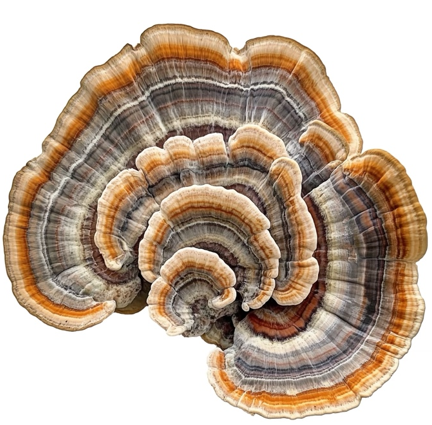
Figure 1: Turkey tail mushroom resembles the tail feathers of a wild turkey.
FIGURE 2
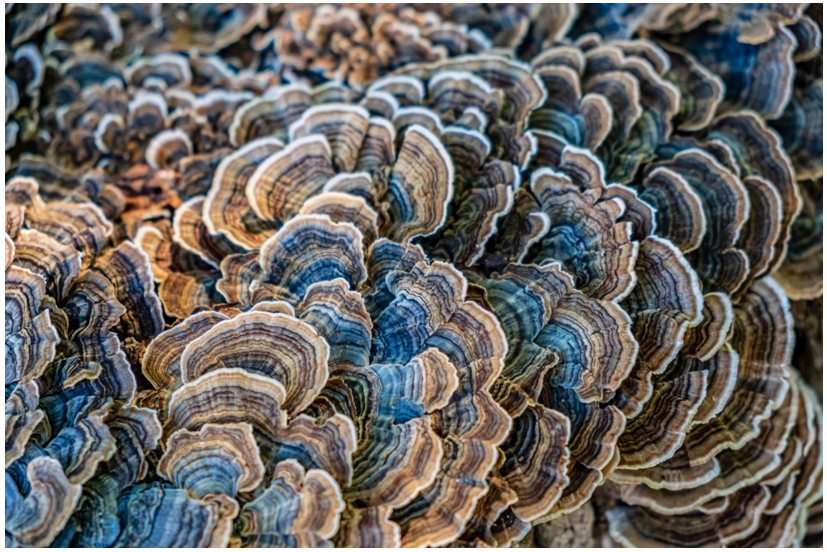
Figure 2: Turkey tail commonly fruits in overlapping shelves on hardwood logs and stumps.
FIGURE 3
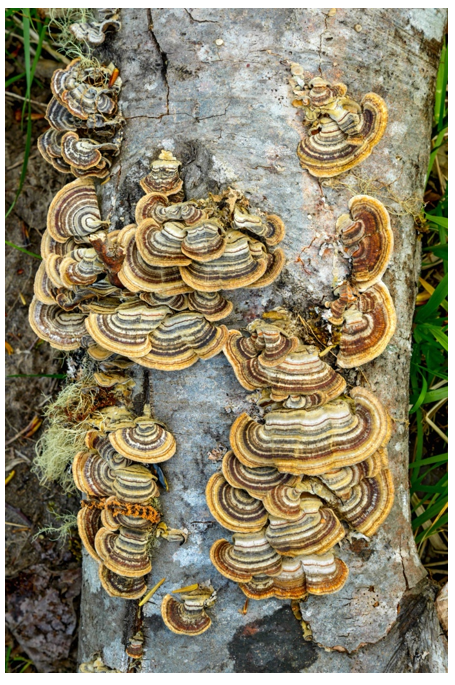
Figure 3: Turkey tail (Trametes versicolor) mushroom growing on a hardwood log.
FIGURE 4
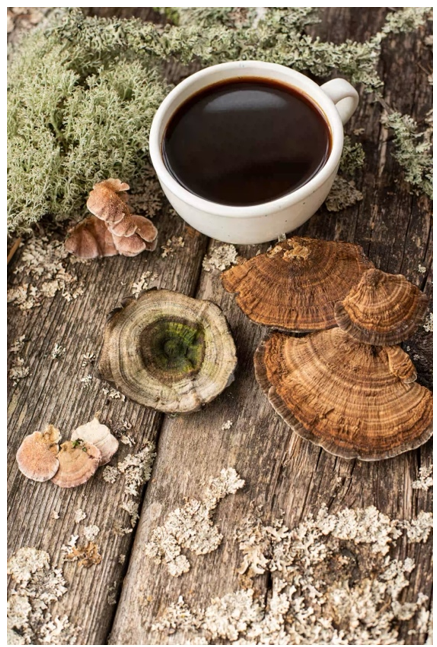
Figure 4: Turkey tail is used as an ingredient in some coffee and tea products.
FIGURE 5
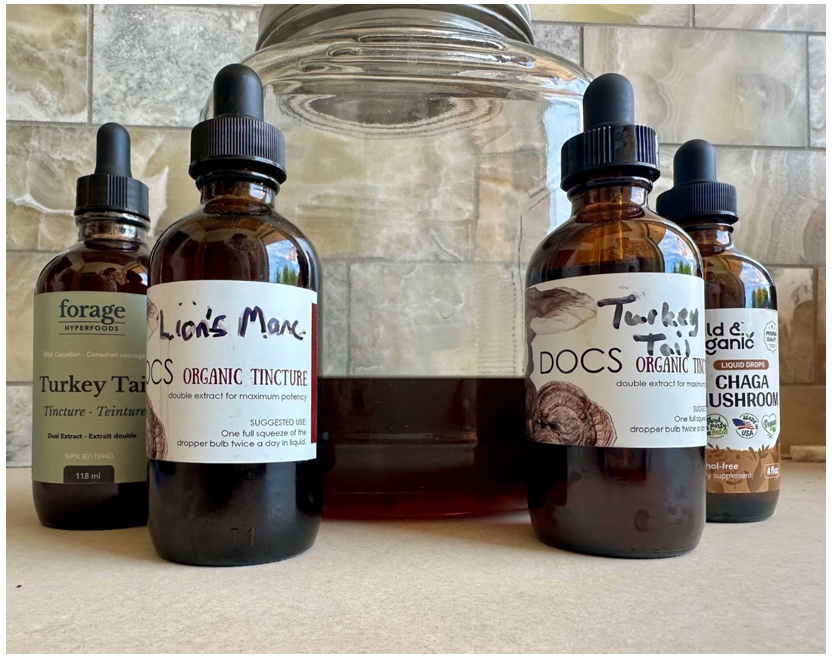
Figure 5: Turkey tail tinctures are widely available commercially or can be made yourself using a simple recipe.
FIGURE 6
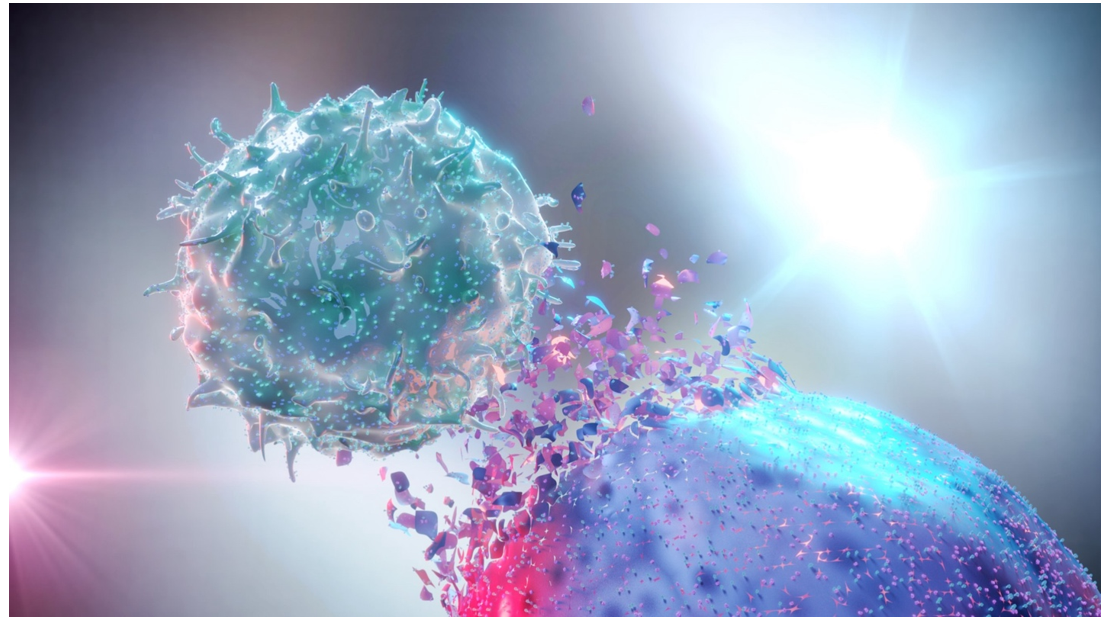
Figure 6: PSK activates natural killer cells that protect against pathogens and cancerous tumors.
Tables at a glance
Figures at a glance