
Resveratrol: A Two-Faced Sword for Health Advantages
Received Date: December 24, 2023 Accepted Date: January 24, 2024 Published Date: January 27, 2024
doi: 10.17303/jmph.2024.3.101
Citation: Akshita Rana, Shashikant Bagade, Vanshita Hardiya, Nishi Mohile, Krisha Patel (2024) Resveratrol: A Two-Faced Sword for Health Advantages. J Med Plant Herbs 3: 1-18
Abstract
Natural polyphenol resveratrol, which can be present in some meals, has drawn a lot of attention due to its dual potential benefits to health and concerns. Due to its antioxidant qualities, this chemical may provide anti-aging benefits as well as help reduce oxidative stress. Resveratrol also shows potential for cardiovascular health by lowering inflammation and enhancing blood vessel function. Its attraction is further enhanced by its alleged anti-cancer qualities and beneficial effects on metabolic function. Harnessing its benefits is complicated by issues like low bioavailability, dose-dependent effects, and inconsistent clinical evidence.
Keywords: Resveratrol; Antioxidant; Anti-Inflammatory; Biological Activities
Introduction
The growing number of people over 60 has become a major Concern. The proportion of people over 60 in the world rose from 8% to 10% in the preceding 60 years, a negligible increase [1]. But in the next forty years, this group is predicted to grow from 0.8 billion to 2 billion people, accounting for 22% of the world's population [2].Living beings aged by undergoing a series of progressively degenerative changes and by becoming more susceptible to internal and external stimuli [3]. This modification included increased oxidative stress, inflammation buildup, cell apoptosis, significant harm to the cellular and organ systems' structural and functional components [4,5]. Therefore, there is an increased chance of developing multiple diseases (e.g., illnesses of the nervous system, sarcopenia, heart problems, diabetes, obesity, and malignant tumors) as well as an increased chance of dying as one ages [6]. In this sense, reducing the negative effects of aging on health and halting the development of age-related disorders present a challenge to the aging population [2,7]. Numerous studies have confirmed that using natural products or bioactive substances from traditional Chinese medicine could be a safe and effective way to prevent Aging and illnesses linked to aging.
In the world of nutraceuticals, some phytochemicals and phytoestrogens which contains bioactive compounds and is mostly present in fruits, veggies, and soy have seek attention of researchers and health enthusiasm [8]. These substances consist of four main categories: lignans, isoflavonoids, flavonoids, and stilbenes. Out of them, the stilbenes particularly resveratrol is generally acknowledged to be good for human health [5,9]. The polyphenolic phytoalexin molecule resveratrol (3,5,4'-trans-trihydroxystilbene) is a member of the stilbene family of phytochemicals [10]. In addition to grape skins and seeds, other foods that contain resveratrol include wines, peanuts, berries, and tea [11]. Resveratrol is reported with many biological activities like antioxidant, anticarcinogenic, antitumor and estrogenic. Resveratrol is a biologically active chemical that is produced by plants that are exposed to radiation or infection [12]. Resveratrol was originally extracted from the roots of white hellebore (veratrum grandiflorum O. Loes) in 1940. It was then extracted from the roots of polygonum cuspidatum in 1963 [13]. The herb Polygonum cuspidatum is utilized as an anti-inflammatory and anti-platelet agent in traditional Chinese and Japanese medicine [14]. More than 70 plant species have been shown to contain resveratrol, particularly in small amounts seen in red wines and other human diets [15]. Due to Vitis vinifera's reaction to fungus, resveratrol is found in high concentrations in grapes.
Chemistry of ResveratrolAs a stilbenoid polyphenol, resveratrol consists of an ethylene bridge joins two rings of phenol. Resveratrol (trans-3,5,40-trihydroxystilbene) has been found to exist in two isomeric forms: Resveratrol, both trans- and cis-form. Trans form is more common than other forms and is thought to have a variety of biological effects, including triggering cellular reactions such as apoptosis, differentiation, and cell cycle arrest, as well as strengthening the ability of cancer cells to resist proliferating. The molecular formula for resveratrol is E-5-(4-hydroxystyryl) benzene1,3-diol (IUPAC nomenclature) [20]. There are two geometric isomers of it: trans-(E) and cis-(Z). When trans form is exposed to UV radiation, it can isomerize into cis form. It was discovered that Trans-resveratrol powder remained stable at "accelerated stability" conditions of 40 °C and 75% humidity in the presence of air [21]. The restricted bioavailability of resveratrol impeded its use in medicine. Because of this, researchers have concentrated especially on altering the structure of resveratrol, leading to the development of several resveratrol derivatives, such as hydroxylated, methoxylated, and halogenated derivatives. These substances all appear to have prospective medicinal uses.
Biological Activities of Resveratrol
Anti- oxidantReactive oxygen species (ROS) production and antioxidant defence are out of balance in oxidative stress, which can result in a number of age-related illnesses include diabetes, cancer, chronic renal disease, cardiovascular disease, and neurological diseases. Overproduction of ROS causes inflammation, mitochondrial dysregulation, and cell death. If Glucose is autoxidized it may contribute to the overproduction of ROS and oxidative stress. Resveratrol is one of the powerful antioxidant drugs, due to three hydroxyl groups in structure [22].It inhibits the effect of excessive ROS production. When resveratrol is administered to primary epidermal keratinocytes, endogenous glutathione production increases 1.3-fold, while the cellular redox environment and endogenous ROS production are quantitatively reduced [23]. Resveratrol appears to play a part in preserving cellular redox equilibrium since it inhibits both a rise in the production of reactive oxygen species and a fall in the potential of the mitochondria in astrocyte cells treated with ammonia. Resveratrol has a protective effect against the damaging effects of reactive oxygen species (ROS) by preventing the attenuation of oxidative phosphorylation, decreasing mitochondria fragmentation, and maintaining the potential of the mitochondrial membrane in fibroblasts exposed to rotenone [24]. Resveratrol inhibits oxidative stress and inflammation in obese mice fed a high-fat diet, preventing hepatic steatosis.
Anti-inflammatoryResveratrol inhibits the transcription and translation of IL-6, which reduces the amount of the protein secreted by macrophages. Similarly, resveratrol treatment to monocyte cells reduces the production of two inflammatory mediators, TNF-α and IL-8, without leading to cytotoxicity. According to Xia et al. (2018) [25], resveratrol dramatically reduces pancreatic stellate cells' ability to produce extracellular matrix proteins, which is a step towards the development of pancreatic fibrosis [26]. Moreover, resveratrol contributes to the suppression of toll-like receptors, which when activated can increase the activation of both h innate and adaptive immunity and induce the production of proinflammatory cytokines and chemokines [27]. Resveratrol dose-dependently inhibits the synthesis of TNF-α, IL-1, and IL-6 in chondrocytes with osteoarthritis and decreases matrix-metalloprotease expression. Moreover, oral implantology patients who receive resveratrol treatment have decreased serum levels of TNF-α, IL1β, and IL-17A, and elevated levels of IL-2, IL-6, and IL-10. resveratrol effectively inhibits NF-κB signaling by reducing the activities of NF-κB and IκB kinase as well as by regulating the phosphorylation of JAK/STAT signaling pathways.
By preventing mast cell degranulation and lowering intestinal epithelial cell apoptosis, resveratrol protects against intestinal ischemia-reperfusion injury and averts total organ failure [28].
Antiglycation ActivityTissue injury can result from the physiological, non-enzymatic process of glycosis. It takes place between proteins, DNA, and lipids and free reducing sugars. Sugars' reactive carbonyl groups, which produce intermediate Amadori products, typically start the process [22]. Advanced glycation end products (AGEs) are created by further modifying these products by oxidation, dehydration, polymerization, and cross-linking. Furthermore, hyperglycaemia can result in the formation of glycated macromolecules during oxidative stress [29]. Glycated macromolecule accumulation, primarily of proteins, is thought to be a reasonable marker of tissue damage associated with aging and age-related disorders and has been demonstrated to affect organ function. Impairment to the elastic and collagen fibers caused by AGEs is intimately linked to changes in the dermal layer's fibroblast-rich top layer, which interacts with the epidermis directly to reduce epidermal thickness and stratifi-cation [6,30,31]. The presence of resveratrol and its derivatives can inhibit the senescent phenotypes that are caused when cultured dermal fibroblasts are treated with methylglyoxal. Glycation of the skin damages the top layers of the dermis, especially the collagen and fibroblast-dense area that interacts directly with the epidermis, resulting in senescence like alterations. These occurrences are intimately linked to changes in the epidermalization kinetics, as shown by the build-up of nucleated keratinocytes that have a reduced ability to differentiate and contribute to the stratified layers that constitute the skin barrier. Natural compounds have the ability to prevent or restore these glycation-related consequences [31]. Resveratrol has been shown to have the strongest effect on AGE formation suppression, fibroblast density enhancement, ROS production inhibition, collagen repair, and epidermal stratification.
Anti-Cancer ActivityAnti-cancer drug resveratrol has been demonstrated to change a number of cellular pathways related to tumor growth. It has been demonstrated to be chemo preventive in a number of tumor types, such as canine oral mucosal melanoma cells, which upregulate differentiation marker mRNA expression and improve sensitivity to cisplatin [32]. Additionally, it possesses the capacity to inhibit 17β-estradiol in breast cancer cells, perhaps boosting its bioactivity. It can also make colorectal cancer cells more sensitive to 5-fluorouracil, which may help them overcome resistance to more potent treatments. In tumor cells, resveratrol stimulates the pathways leading to programmed cell death while inhibiting the PI3-kinase, AKT, and NF-κB. signaling pathways [33]. Through the SIRT1 signaling pathway, it suppresses NF-κB phosphorylation, and its actions are connected to the growth of tumors through other processes. According to recent research, resveratrol causes lung cancer cells to undergo autophagy and death, with protective autophagy being boosted at concentrations lower than 55 µM. It also inhibits the growth of osteosarcoma cells and removes the capacity for self-renewal of MG-63 and MNNG/HOS cells. Resveratrol suppresses Wnt signaling in colon cancers, reducing cell migration and proliferation [34]. It inhibits the expression of β-catenin, targeting the genes c-Myc, MMP7, and surviving, and stops the growth of breast cancer stem like cells. Cancer types have higher levels of Nrf2 expression, and resveratrol stimulates the Nrf2 signaling pathway, which leads to the separation of the Nrf2-Keap1 complex and increased transcription of antioxidant enzymes. Resveratrol decreases the production of hypoxia-inducible factor-1 and vascular endothelial growth factor, which lowers the release of VEGF. It affects autophagy, DNA transcription, cell cycle regulation, and drug bioavailability [35].Additionally, it suppresses leukaemia cell growth and induces apoptosis through pro-apoptotic and anti-metastatic action. Cancer treatment and prevention can benefit from these benefits. Resveratrol enhances cancer cell sensitivity to chemotherapeutic agents by promoting drug absorption, limiting drug metabolism, and reducing efflux [36]. By altering ROS levels, modifying DNA repair mechanisms, and impacting cell death pathways, it targets resistance factors in cancer cells. By suppressing the stem-like characteristics of lung cancer stem cells and lowering IL-6 levels, resveratrol nanoparticles reduce tumor activity in lung cancer. It also targets non-coding RNAs and cancer stem cells, which are important for drug resistance and stemness and have an impact on the development and spread of cancer. Resveratrol inhibits the initiation, development, and advancement of tumors at every stage of the carcinogenesis process. It inhibits enzymes that lead to the formation of cancer, detoxifies carcinogens, offers antioxidant defence, and shields DNA from oxidative damage [32]. Resveratrol is a promising anti cancer drug for use in upcoming cancer prevention and therapy plans because of its wide range of anticancer actions.
Resveratrol has been shown to have anti-cancer properties; thus, nano-formulations such as polymeric, liposome, micelle, metallic, and solid lipid nanoparticles have been created [34,37]. These systems enhance stability, solubility, and penetration across biological membranes. Resveratrol can also be used in nanomedicines with compounds like curcumin, quercetin, paclitaxel, docetaxel, 5-fluorouracil, and siRNAs to increase its anti-cancer activity. In solid tumor cell lines MCF-7, HeLa, and HepG2, resveratrol enhanced cytotoxicity and reduced side effects when coupled with standard anti-cancer medications docetaxel and doxorubicin. Additionally, it strengthened fluorouracil's anti-tumor action in murine hepatoma22 cells. Resveratrol encapsulation in silica nanoparticles significantly enhances solubility and release kinetics, enhancing antibacterial and anti cancer effects. Human breast cancer cells have demonstrated anti-cancer activity towards nano-resveratrol encapsulated in lecithin. The stability and solubility of resveratrol may be increased by novel delivery methods such as metallic nanoparticles, liposomes, micelles, and polymeric nanoparticles. Combining resveratrol with other anti-cancer drugs can increase cytotoxic effects and decrease side effects. However, clinical studies on nano-resveratrol in various cancers are limited, and most trials have not been completed.
Mitochondria-Related Anti-Cancer Effects of ResveratrolResveratrol inhibits the apoptotic pathways of the mitochondria, interferes with energy metabolism, increases oxidative stress, modifies mitochondrial calcium, targets cancer stem cells, reduces inflammation, and eliminates mitochondria.
It has been discovered that resveratrol causes cancer cells to undergo mitochondria-mediated apoptosis, which is essential for unchecked cell division. The release of cytochrome c, an essential element in the apoptotic cascade, is the cause of this [38]. Proapoptotic proteins like Bak and Bax are activated by resveratrol, and this permeabilization of the mitochondrial outer membrane can result in the release of apoptogenic substances. Additionally, it tips the scales in favor of apoptosis by inhibiting antiapoptotic proteins including Bcl-2 and Bcl-xL. Resveratrol has the ability to increase oxidative stress in the mitochondria, which can cause dysfunction in the mitochondria and accelerate apoptosis. Additionally, it can affect different signaling pathways within the cell, which can affect mitochondrial activity and trigger apoptosis, ultimately resulting in the death of tumor cells [32]. Resveratrol dose-dependently decreased cell viability and increased ROS level and apoptosis in human colorectal cancer cells. Additionally, it showed how various pro-apoptotic effects in colorectal cancer might be achieved via p53 and Sirt-1 regulation. Resveratrol is therefore a substance of interest for therapeutic uses in oncology since it has the ability to inhibit tumor growth.
By modifying the energy metabolism of cancer cells, resveratrol affects a vital mitochondrial function. The Warburg effect refers to the tendency of cancer cells to refocus their metabolic attention toward glycolysis, even in the presence of oxygen. By preventing aerobic glycolysis, resveratrol lowers the survival and growth of cancer cells. It can also alter gene expression, transcription factors, and several signaling pathways to change how glucose and carbohydrates are metabolized in cancer cells [34]. Research has demonstrated that resveratrol suppresses development in PC3 prostate cancer cells by metabolically switching from aerobic glycolysis to oxidative phosphorylation, inhibits glycolysis through the PI3K/Akt/mTOR signaling pathway in human cancer cells, and decreases the intake of glucose by cancer cells. Additionally, resveratrol raises the amount of vascular endothelial growth factor and inhibits the growth of colon cancer cells. Because resveratrol inhibits mitochondrial ATP synthase, it may reduce the amount of ATP produced by cancer cells, which may suppress the growth of tumors [37]. This mitigates the Warburg effect and increases the effectiveness of cancer treatments by increasing the susceptibility of tumor cells to therapeutic actions. It has been shown that resveratrol, a substance that can function in cancer cells as a potent pro-oxidant as well as an antioxidant, is specifically harmful to cancer cells. It increases the level of oxidative stress in the mitochondria, which damages and kills cells while preserving healthy ones. Both pro- and antioxidant actions are involved in resveratrol's anti-cancer properties. Research has demonstrated that in HeLa cells, resveratrol can suppress light chain 3-II expression, ROS activation, and cell proliferation. It also reduces OxPhos protein concentrations and fluxes in tumor mitochondria, increasing cellular ROS production and decreasing SOD activity and GSH levels. Through strong mitophagy activation and increased ROS production, resveratrol can kill cells by preventing OxPhos from functioning and halting the growth of metastatic HeLa cancer cells. By interacting with mitochondrial calcium channels, resveratrol influences intracellular calcium levels as well as cellular functions like apoptosis and energy metabolism [36]. The survival and proliferation of cancer cells depend on these modifications. Elevated calcium concentrations can change the potential of the mitochondrial membrane and activate enzymes, which can impact the viability and functions of cells. Additionally, resveratrol can interfere with cellular signaling pathways, which can impact the differentiation, cell cycle progression, and stress response. This has the potential to stress cancer cells, interfere with their capacity to adjust metabolically, and make them more vulnerable to anti-cancer therapies. Research indicates that resveratrol increases the uptake of calcium into the mitochondria of cancer cells, hence inducing cell death in a specific manner [33]. This modification can increase cancer cells' susceptibility to anti-cancer treatments. Metabolic plasticity and chemotherapeutic medicines' harmful effects on tumor cells are crucial. Resveratrol can weaken these resistances by altering mitochondrial functions and causing apoptosis. Combining resveratrol with standard medicines can increase cytotoxic effects, potentially reducing drug dosages while enhancing the results of therapy. Because of their resistance mechanisms, cancer stem cells, a distinct subpopulation of tumor cells, frequently evade standard therapies. Because of their mitochondrial metabolism, which depends on oxidative phosphorylation to provide energy, they could be the subject of therapeutic interventions. Resveratrol, a drug, has been suggested to target these cells by inhibiting their bioenergetic function, potentially depleting their energy reserves and promoting cell death [39]. This strategy may lessen tumor recurrence and improve the effectiveness of current cancer treatments. The extracellular matrix, stromal cells, and cancer cells that make up the tumor microenvironment frequently display pro-inflammatory states that aid in tumor growth and immune system evasion. Resveratrol, an anti-inflammatory agent, can modulate mitochondrial functions, reducing the production of pro-inflammatory cytokines like TNF-α, IL-6, and IL-1β. This mitigation can potentially hinder tumor growth and progression, and restore immune cell function, making them more effective in targeting and eliminating cancer cells. Mitophagy, a specialized autophagy, is crucial for maintaining cellular homeostasis by selectively degrading damaged mitochondria. Dysregulated mitophagy can lead to diseases like cancer, as it can cause oxidative stress and DNA damage. Resveratrol, an antioxidant, can activate mitophagy pathways by upregulating proteins and receptors, preventing mitochondrial dysfunction and reducing the harmful effects of oxidative damage. This makes cancer cells more vulnerable to therapies, thereby enhancing their survival benefits under stress.
Cardiovascular ProtectiveAtherosclerosis is the most prevalent cause of cardiovascular diseases (CVDs), which are conditions that affect the heart and blood vessels. These conditions include coronary heart disease, cerebral vascular disease, peripheral arterial disease, rheumatic heart disease, hereditary heart illnesses, thrombosis, and embolism [40].
Approximately 20 molecular targets have been identified by resveratrol, through which it interacts and influences the activity of numerous molecules linked to cardiovascular disease. Since resveratrol is often regarded as a weaker antioxidant than frequently supplied vitamin C, it is through these direct and indirect actions that resveratrol displays its promising potential in treating numerous diseases, including antioxidant properties. Among these molecular targets, the estrogen receptor (ER), nuclear factor erythroid-derived 2-related factor-2 (Nrf2), AMP-activated protein kinase (AMPK), and class III histone deacetylase sirtuin 1 (SIRT1) are of particular significance. Patients with a variety of cardiovascular illnesses always have some degree of impairment in the endothelial relaxation process [41]. Its malfunction as a precursor to atherosclerosis is closely linked to NO generation and bioactivity, both of which are positively impacted by resveratrol. Protein deacetylase Sirtuin 1 (SIRT1) has the ability to alter a wide range of metabolic pathways by deacetylating a large number of histone and non-histone proteins. SIRT1 is a member of the seven genes that make up the conserved family of silent information regulatory genes (SIR). High expression of SIRT1 occurs in endothelial cells, where it can regulate angiogenic activity during vascular remodeling and growth [42]. SIRT1 is a shuttle between the nucleus and cytoplasm. SIRT1 appears to promote mRNA stability and the transcription of the nitric oxide synthase (eNOS) gene. Resveratrol's impact on endothelial cells' eNOS expression is mediated via SIRT1 rather than the estrogen receptor. The upregulation caused by resveratrol is inhibited when the SIRT1 gene is knocked down by siRNA, whereas eNOS production is elevated when the gene is overexpressed. Furthermore, SIRT1 increases eNOS activity in two ways: (a) SIRT1 and eNOS colocalize in endothelial cells, where SIRT1 deacetylates eNOS; and (b) the calmodulin-binding domain of eNOS's lysines 496 and 506 mediate the SIRT1- induced rise in endothelial NO. To provide more insight into the RESV/STAT 1/eNOS pathway, Xia et al. [25] have demonstrated that downregulating the forkhead box proteins O 1 and 3a (FOXO1 and FOXO3a), which are located downstream of signal transducer and activator of transcription 1 (STAT 1), may inhibit the transcriptional activation of eNOS induced by resveratrol. Similar to SIRT1, AMP-activated protein kinase (AMPK) is a conserved enzyme whose activity is correlated with the cell's energy condition. The effects of RESV on the cell are mediated by the SIRT1 and AMPK signaling pathways. Through direct contact with SIRT1, RESV may cause liver kinase (LKB 1) to become deacetylated, which may then phosphorylate and activate AMPK [43]. By competitively blocking the enzyme that breaks down cAMP, phosphodiesterase (PDE), RESV may also indirectly activate SIRT1 [40,42]. When cAMP builds up, it activates the cAMP effector protein Epac1, raises intracellular Ca2+ levels, and Activates the pathway of CamKKβ-AMPK. In both scenarios, PGC-1α is phosphorylated as a result of AMPK activation, preparing it for SIRT1's final deacetylation.
An important regulator of mitochondrial biogenesis and oxidative metabolism, activated PGC-1α, coactivates nuclear respiratory factors (NRF-1 and NRF-2). The transcription of genes involved in mitochondrial biogenesis is brought on by these factors. The nicotinamide salvation route, which involves nicotinamide phosphoribosyl transferase (NAMPT) and nicotinamide mononucleotide adenylyl transferase (NMNAT), increases the NAD+/NADH ratio as a result of AMPK activation. This, in turn, positively loops to activate NADsensitive SIRT1. Because AMPK activation needs multiple ATPs, which may not always be present in particular pathophysiological situations, NAD+ levels may not always rise as a result of it.
Resveratrol and Estrogen Receptor (ER)In addition to the conventional route, which involves the ER's activation of a signaling cascade in response to estradiol and other estrogenic compounds, the ER can also repress genes related to inflammation by means of transrepression, which is achieved through its interaction with activator protein complexes and NF-κB. Resveratrol was found to be one of the most successful ligands in a screening procedure for estrogen receptor-α (ERα) ligands that block the generation of IL-6 by Srinivasan et al. in 2013 [40]. The same group subsequently provided evidence that RESV's anti-inflammatory effect is predominantly ERα mediated and showed how it modulates the inflammatory response by acting as an ERα ligand, but not cell proliferation. Although they do not bind normal ER ligands, orphan receptors—also referred to as estrogen-related receptors—have a structure similar to that of ER. There are three isoforms of ERRs, and the principal respiratory chain gene regulator is designated as ERRα, the alpha isoform. In addition to cells and tissues, resveratrol's activity is reliant on several metabolic processes. For example, resveratrol activated the ER and ERRα signaling pathways as well as SIRT1 and AMPK-independent mitochondrial activity in human fibroblasts.
Resveratrol and CVD Related to COVID-19Meta-analyses conducted in 2020 indicate a strong correlation between the severity of COVID-19 sickness and underlying disorders, including cardiovascular disease (CVD). Functional supplement resveratrol may be used to treat COVID-19 by reducing COVID-19 severity and mitigating CVD risk factors in patients with poor prognoses.
It was discovered that resveratrol, which is well-- known for its antiviral properties against respiratory viruses, inhibited SARS-CoV-2 replication in Vero cells, indicating promise as a therapeutic treatment. Additionally, it acts as a cardioprotective supplement, reducing the cardiotoxicity that SARS-CoV-2 patients may experience from treatment with chloroquine or hydroxychloroquine. Patients with COVID-19 have a procoagulative state; thrombotic lesions in pulmonary microvessels are twice as common in critical patients as in noncritical ones. Severe COVID-19 is correlated with a high risk of thromboembolism, which raises the risk of mortality [40]. With its antithrombotic properties, resveratrol is suggested as a supportive care measure. SARS-CoV-2-induced hyper inflammatory syndrome increases COVID-19 disease severity and death. Studies on the anti-inflammatory effects of resveratrol have revealed decreased generation of inflammatory cells and pro-inflammatory cytokine buildup. Agent’s nutraceutical that target microRNAs that modulate inflammation may be able to stop cytokine storms. It has been discovered that resveratrol has a sanatory effect on the pathophysiology of SARS-CoV-2 linked to CVD. To avoid lung and heart damage, it boosts the angiotensin 1-7/Mas receptor axis and decreases the angiotensin II/angiotensin II type 1 receptor axis.
This implies that resveratrol might be a useful dietary supplement to lessen the renin-angiotensin system imbalance associated with the pathophysiology of COVID-19. In advanced COVID-19 instances [44], SARS-CoV-2 infects vascular endothelial cells, resulting in inflammation and damage. Resveratrol can shield vascular function, averting end-organ damage and thrombotic events by increasing endothelial NO production and lowering oxidative stress. Drugs that influence immune cell activity, such as resveratrol, may have enhanced the cytotoxic capability of immune cells in COVID-19 patients, assisting in the removal of SARS-CoV-2 infection and regaining control over immune responses, ultimately minimizing tissue/organ damage. Resveratrol may lessen COVID-19-induced tissue and organ damage and stop viral protein binding on host cells, which could help treat the infection [45]. It also has the potential to decrease oxidative stress [40,44]. Resveratrol has potential to alleviate COVID-19 disease, reduce its consequences, and potentially decrease morbidity risk during infection and convalescence.
Effects of Resveratrol on Human KidneyTwo clinical trials have looked into how RSV affects kidney illness in people [46]. A pilot study found no significant effects and low toxicity in non-Dialysis Chronic Kidney Disease patients, with antioxidant and anti-inflammatory markers unchanged. A study by Lin et al. [47] found that low-dose or high-dose RSV intake for 12 weeks improved mean net ultrafiltration volume and rate in peritoneal dialysis (PD) patients. High-dose RSV reduced angiogenesis markers and increased angiopoietin receptor and thrombospondin-1 levels in peritoneal dialysate effluent. The study suggests that longer administration duration of specific doses may be required for beneficial effects. Research shows that RSV administration can improve insulin sensitivity, reduce serum glucose and cholesterol levels, and improve kidney function in type 2 diabetic patients. A randomized study found that oral RSV administration increased insulin sensitivity, reduced serum creatinine levels, and maintained GFR [46]. A related study discovered that RSV treatment enhanced the lipid profile and decreased the levels of triglycerides and total cholesterol, indicating improved kidney function. Research indicates that administering RSV to patients with established renal disease and diabetic nephropathy protects the kidneys, emphasizing the necessity for more clinical trials to determine the precise benefits of the medication.
NeuroprotectiveOne possibility for a neuroprotective agent against Alzheimer's disease is resveratrol and its derivatives. They can lessen AD-related neurodegeneration by preventing toxic Aβ from aggregating [48]. Additionally, they contain anti-inflammatory and free radical scavenging qualities, which may guard against cerebrovascular endothelial dysfunction and preserve the integrity of the blood-brain barrier. Drug design may employ modifications based on hybrid resveratrol derivatives and selenium nanoparticles [49]. But resveratrol's limited therapeutic applicability stems from its low bioavailability. With improved pharmacokinetic characteristics, gnetin C—a naturally occurring stillben resveratrol dimer—has the potential to lessen the incidence of neurodegenerative illnesses like Alzheimer's. Additional research is required to confirm its impact on human metabolism.
Anti-BacteriaThe chemical resveratrol interacts with more than 20 proteins in eukaryotic species, such as Escherichia coli and bovine ATP synthase [50]. It partially inhibits the processes of ATP generation and hydrolysis in Arcobacter spp., Mycobacterium smegmatis, and Escherichia coli. Additionally, it stops E. Coli cells from growing on non-fermentable carbon sources and restricts growth on fermentable glucose by inhibiting oxidative phosphorylation.
In E. coli, resveratrol causes DNA fragmentation and increases the SOS stress-response regulon, but these actions are not directly linked to growth inhibition. By inhibiting the production of ftsZ, a crucial protein in septum formation during cell division, it also has an impact on cell division [50]. Treatment with resveratrol has been linked to membrane damage because of increased uptake of propidium iodide and increased leakage of potassium, but not Staphylococcus aureus. Resveratrol's pleiotropic effects imply that different bacterial species may have different targets, although the exact mechanism underlying the inhibition of bacterial growth is still unknown.
Antifungal ActivityRSV often had minimum inhibitory concentrations (MICs) that demonstrated considerably stronger antifungal than antibacterial activity [50]. RSV inhibitory activity varies from 25 to 50 μg/mL for the fungal dermatophytes Trichopterone mentagrophytes, Trichopterone tonsurans, Trichopterone rubrum, Epidermophyton floccosum, and Microsporum gypseum. The inhibitory action against Candida albicans, Saccharomyces cerevisiae, and Trichosporon beigelii is 10–20 μg/mL.
Another study has not shown up any evidence of candidiasis. The plant pathogen against which RSV activity proven to be inhibitory is B. cinerea, the whole gray mold organism in which B germination has been occurring [51]. There have been reports of doses ranging from 60 to 140 μg/mL for B. cinerea conidia and mycelial development.
Ant virulence PropertiesThe term "virulence" refers to a pathogen's capacity to infect a host. Its virulence factors encompass the host-- damaging mechanisms (e.g., toxin excretion) as well as the instruments it uses to establish a condition (e.g., adhesion, invasion, invasion, and biofilm development) [50,52]. Quorum sensing (QS) and two-component systems (TCSs) also tightly control virulence gene expression, enabling timely and well-organized environmental adaptation. The method by which ant virulence substances disarm a pathogen's potential to injure a host and, depending on the host immune system, eliminate the germs is the main focus of their therapeutic usefulness.
Antibiofilm PropertiesBacteria can exist as extracellular materials called biofilms or as planktonic cells that are grouped together and adhered to surfaces. One benefit of bacterial biofilm production is that it produces a more stable habitat that protects against environmental threats such as antibiotics and phagocytosis [53,54]. Biofilms are now recognized as a therapeutically important issue associated with recurring and longlasting infections. RSV has also been shown to have the ability to reduce the growth of biofilms on certain bacterial infections. At dosages 4–64 times below the lowest inhibitory concentration, RSV inhibits the growth of biofilms in the Gram-negative anaerobic bacteria Fusobacterium nucleatum, which is implicated in dental plaque, without affecting the development of planktonic cells. Additionally, RSV exhibits antibiofilm qualities against E. coli, P. acnes, and V. cholerae, two to six times the minimum inhibitory concentration (MIC).
Antimotility PropertiesMotility is essential for many bacterial species when they are colonizing an area. Motion might be produced, for example, by swimming and swarming, which need the development of functional flagella, and twitching, which requires type IV pili. P. mirabilis shows a dose-dependent decrease in swarming capacity at subinhibitory concentrations of RSV [23,53,54]. The TCS protein RsbA is a negative swarming regulator that is essential to RSV's capacity to regulate swarming. Inhibiting certain genes related to motility and flagellar function, RSV restricts the ability of E. coli to swim and swarm. There have also been reports of Vibrio vulnificus having less ability to swarm.
Toxin InterferenceDue to their numerous structurally and functionally unique toxins, bacterial pathogens play a major role in the development of disease. Remarkably, some research suggests that RSV obstructs the expression of toxins. RtxA1 is a multifunctional cytotoxic toxin needed for death in mice caused by V. vulnificus, and treatment with RSV reduces rtxA1 expression. SV specifically binds cholera toxin (CT) in V. cholerae and inhibits its endocytosis into host cells, potentially preventing diarrhea caused by CT. Consequently, RSV dramatically lowers S. aureus in human blood cells; however, the mechanism of suppression is yet unknown.
Interference with Quorum SensingThrough cell-to-cell communication, quorum sensing mechanisms enable bacteria to respond to density and control gene expression. QS controls the expression of virulence genes in bacterial pathogens, enabling a coordinated attack that may be able to overcome host defenses [55,56]. QS entails the production and release of signal molecules known as autoinducers, which increase cell density. The bac-teria alter gene expression when they identify an autoinducer threshold limit. At a concentration that has no effect on growth characteristics, RSV prevents Yersinia enterocolitica and Erwinia carotovora from synthesizing the autoinducers Nacyl-homoserine lactones [57]. RSV uses an unidentified mechanism to impact QS systems in Chromobacterium violaceum and Escherichia coli. Therefore, at doses up to 64 times lower than growth-inhibitory values, RSV influences a variety of virulence properties [58]. If RSV can have some uses as a compound for ant virulence needs to be tested in appropriate animal studies.
Resveratrol Interactions: Drugs Perspective
Interaction with Cytochrome P450Patients who use conventional medications frequently use natural goods, which increases the possibility of drug interactions between natural products and medications. Numerous drugs may interact with resveratrol [39]. At high concentrations, it may cause interactions with different forms of cytochrome P450 (CYP). It has been documented that resveratrol inhibits CYP3A4 activity in both healthy volunteers and in vitro. Consequently, high resveratrol intakes, even when taken as supplements together with other medications, may lessen the metabolic clearance of drugs that go through a lot of first-pass CYP3A4 metabolism, which would increase the drugs' bioavailability and toxicity risk. These polyphenols may be advantageous or detrimental because they have been shown to have substantial interactions with phase I and II enzymes both in vitro and in vivo. In fact, those on medications like tamoxifen, whose effectiveness depends on CYP enzymes and is highly specific, may be especially vulnerable [3,52]. Therefore, when using higher amounts of supplementary resveratrol for health benefits like chemoprevention, care should be exercised.
Interaction with TransportersIn pharmacological interactions, resveratrol has been shown to inhibit P-glycoprotein, MRP2, and OAT1/OAT3. Few clinical investigations have been done, and interactions with transporters are not thoroughly known [59]. Higher dosages are thought to compete with other polyphenols for transporters, which would limit their absorption and any possible synergistic benefits. There is a need for more research because the absorption, distribution, renal excretion, and elimination of the active components in resveratrol in humans have not been thoroughly studied.
Interaction with Anticoagulant and Antiplatelet DrugsResveratrol has been shown to stop human platelet aggregation in vitro. Large doses of resveratrol supplements taken in conjunction with anticoagulant, antiplatelet, and even non-steroidal anti-inflammatory drugs (NSAIDs) may make bleeding and bruising more likely.
Side-Effects of ResveratrolFuture research on the medication resveratrol may be beneficial because it hasn't demonstrated any harmful or incapacitating adverse effects. Although it has been utilized in a number of in vitro and in vivo investigations, it is still important to determine the best dose and mode of administration. In tumor tissues, resveratrol causes cell death with comparatively no impact on the neighboring normal tissues. Disparities in the cellular targets that are accessible and the expression of certain genes in as a result, resveratrol is particular to tumors [60]. Higher doses cause tumor cells to die through pro-apoptotic actions, whilst lower amounts may have positive health consequences.
While 2.5 g or more per day may cause nausea, vomiting, diarrhoea, and liver damage in people with nonalcoholic fatty liver disease, short-term dosages (1.0 g) do not seem to have any negative effects. However, long-term clinical investigations revealed no significant adverse effects. It has been determined that resveratrol, either taken as part of a multi-day dosing regimen or as a single dose up to 5 g/day, is safe and well-tolerated [61].
The fact that resveratrol taken orally is metabolized by the gut microbiota complicates the dose-dependency and mode of delivery, making it challenging to distinguish between effects that are exclusively attributable to resveratrol and those that are also caused by its metabolites. Research has demonstrated that, in hypercholesterolemic rabbits, resveratrol does not prevent atherosclerosis; on the contrary, it accelerates its development.
High doses of resveratrol have been shown to both inhibit cell growth and trigger apoptosis in normal cells, demonstrating the biphasic nature of the compound's effects throughout a range of concentrations [62]. It quickly and in a dependent manner activates Src, matrix metalloproteinase, epidermal growth factor receptor, mitogen-activated protein kinase (MAPK) in MEK-1.
In summary, resveratrol has demonstrated encouraging promise for use in the development of pharmaceuticals that don't have harmful or incapacitating side effects. To find the best dosage and mode of administration for this intriguing medication, more research is required.
Negative Effects of ResveratrolIt has been discovered that resveratrol, a well known antioxidant with positive biological benefits, acts as a pro-oxidizing agent, which may have an effect on the pathophysiology of a number of disorders.
Its ability to upregulate cells' antioxidant defense and scavenge reactive oxygen species (ROS) is responsible for its antioxidant potential. According to studies, resveratrol can function as a signaling substance found in tissues and cells that controls the expression of genes and proteins via redox-sensitive intracellular activation of pathways.
ROS can be produced by the (auto-) oxidation of resveratrol, which produces semiquinones and the relatively stable 40-phenoxyl radical. The pH and the existence of organic bases or hydroxyl anions affect the oxidative responses of polyphenols [63]. According to a study by Martins et al. [64], depending on the dose or treatment duration specified, resveratrol can regulate many pathways at once, producing unique and even opposing biological effects.
Over shorter exposure times, resveratrol's dose-dependent pro-oxidative action causes oxidative stress in cells; however, at the same dose and longer exposure times, less pronounced cytotoxicity was observed. This shows that, as resveratrol's effects lessen with duration of treatment, surviving cells appear to be more resilient to the damage it causes [65]. It has been shown that low concentrations of resveratrol (0.1–1.0 µg/mL) increase cell proliferation, whereas greater levels (10.0–100.0 µg/mL) cause endothelial cells and human malignancies to undergo apoptosis and have less mitotic activity.
Recently, it was shown that resveratrol had dual pattern effects on the death and proliferation of HT-29 colon cancer cells [31,53]. At low concentrations, resveratrol increased the number of cells, but at larger dosages, it decreased the number of cells and raised the percentage of necrotic or apoptotic cells.
Acute resveratrol administration's dose-time dependence on lipoperoxidation levels (in the liver, kidney, and heart of male rats synchronized with a 12-hour light dark cycle) was examined [66]. Resveratrol was discovered to exhibit pro- and pro-oxidant behavior during the light and dark periods, which may be a reflection of the postprandial oxidative bursts that follow meals or the putative shifting ratio between pro- and antioxidant activities in different organs during 24-hour cycles.
According to research, resveratrol's pro-oxidant impact can cause DNA damage as well as an interruption of the cell cycle that can be either reversible or permanent. According to Plauth et al. [67], the physiological resistance against oxidative stress is increased when cells respond to resveratrol therapy through an oxidative triggering action that leads to a more reductive state through hormetic induction of cell fitness. According to Ahmad et al. [68], resveratrol's pro-oxidant effect—which is demonstrated by a marked increase in intracellular O2-production—rather than its antioxidant activity is what causes its inhibitory effect on H2O2-induced apoptosis. This creates an intracellular environment that is not favorable for the execution of apoptosis.
The structure-activity connection of resveratrol, a molecule possessing both pro- and antioxidant qualities, has been investigated in cell-free systems. It has not been shown to have cytotoxic, cytostatic, cytoprotective, or antioxidant properties in cultured cells, according to earlier research.
However, the pro-oxidant action of resveratrol was initially discovered in the presence of transition metalions, such as copper, using a plasmid-based DNA cleavage assay [69]. Metal-chelating agents have the ability to mobilize copper ions from chromatin, which results in internucleosomal DNA breakage, a feature of dying cells.
Resveratrol has a strong relationship with bases of DNA, specifically guanine, which can be mobilized by metal-chelating agents and cause fragmentation of inter-nucleosomal DNA [22]. This implies that the anticancer action of resveratrol is a result of its anticancer action. Additionally, it functions as a phytoestrogen, displaying varying degrees of estrogen receptor agonist activity in various systems [70]. Resveratrol functions as a superagonist in some cell types and provides an activation that is either equivalent to or less than that of estradiol in others.
Mitochondrial complex I (CI) is the direct target of resveratrol's regulation of mitochondrial respiratory chain function [71]. According to in vivo research, resveratrol raises CI in the brain mitochondria of both young and elderly mice, but it also causes oxidative stress in older animals with weakened antioxidant defenses [72]. Age and dosage determine how important it is to maintain a balance between the pro- and antioxidant effects of resveratrol.
In pancreatic cancer cells, resveratrol plays two different roles: first, through up-regulating Bax, it suppresses tumor growth, and second, through up-regulating VEGF-B, it activates tumor growth. These studies demonstrate the critical roles that aging and dose-dependency play in the responses to health benefits that resveratrol elicits [32]. In a different study, resveratrol increased insulin sensitivity in elderly mice given regular diets but did not change the insulin resistance of these mice given high-protein diets.
On the other hand, resveratrol showed adverse effects through raising the level of inflammation, producing superoxide, and lowering aortic distensibility.
Conclusion
Resveratrol is a substance that may be beneficial to health, especially in terms of its cardioprotective and antioxidant properties. Notwithstanding, obstacles pertaining to bioavailability, ideal dosage, and coherent clinical evidence underscore the necessity for additional investigation. As with many other nutritional substances, resveratrol's full health advantages can only be realized with a well-rounded, multifaceted approach to lifestyle and nutrition. People should speak with medical professionals to determine whether resveratrol supplementation is appropriate for their unique health circumstances and goals before considering it.
- Chinedu Ugoeze K, Singh Bakshi I, Chukwuemeka Chinko B, Emeka Oluigbo K (2023) Augustine Okoronkwo, N.; Arerusuoghene Alalor, C. Phytopharmaceutical Benefits of Resveratrol in the Management of Diseases and Health Maintenance: A Review. Biomedical Sciences.
- Liao W, Zhang L, Chen X, Xiang J, Zheng Q et al. (2023) Targeting Cancer Stem Cells and Signalling Pathways through Phytochemicals: A Promising Approach against Colorectal Cancer. Phytomedicine.
- Salehi B, Mishra AP, Nigam M, Sener B, Kilic M et al. (2018) Resveratrol: A Double-Edged Sword in Health Benefits. Biomedicines.
- Aschemann-Witzel J, Grunert KG (2015) Resveratrol Food Supplements: A Survey on the Role of Individual Consumer Characteristics in Predicting the Attitudes and Adoption Intentions of US American and Danish Respondents. BMC Public Health 15: 1.
- Asemi R, Rajabpoor Nikoo N, Asemi Z, Shafabakhsh R, Hajijafari M et al. (2023) Modulation of Long Non-Coding RNAs by Resveratrol as a Potential Therapeutic Approach in Cancer: A Comprehensive Review. Pathology Research and Practice.
- de Ligt M, Timmers S, Schrauwen P (2015) Resveratrol and Obesity: Can Resveratrol Relieve Metabolic Disturbances? Biochimica et Biophysica Acta - Molecular Basis of Disease.
- Badawi JK (2023) Resveratrol Used as Nanotherapeutic: A Promising Additional Therapeutic Tool against Hormone-Sensitive, Hormone-Insensitive and Resistant Prostate Cancer. Am J Clin Exp Urol 11: 1.
- Burns J, Yokota T, Ashihara H, Lean MEJ, Crozier A (2002) Plant Foods and Herbal Sources of Resveratrol. J Agric Food Chem 50: 11.
- Beekwilder J, Wolswinkel R, Jonker H, Hall R, De Rie Vos CH, Bovy A (2006) Production of Resveratrol in Recombinant Microorganisms. Appl Environ Microbiol 72: 8.
- Meng Q, Li J, Wang C, Shan A (2023) Biological Function of Resveratrol and Its Application in Animal Production: A Review. Journal of Animal Science and Biotechnology.
- Wang Y, Halls C, Zhang J, Matsuno M, Zhang Y, Yu O (2011) Stepwise Increase of Resveratrol Biosynthesis in Yeast Saccharomyces Cerevisiae by Metabolic Engineering. Metab Eng 13: 5.
- Li M, Kildegaard KR, Chen Y, Rodriguez A, Borodina I, Nielsen J (2015) De Novo Production of Resveratrol from Glucose or Ethanol by Engineered Saccharomyces Cerevisiae. Metab Eng 32.
- Li J, Qiu Z, Zhao GR (2022) Modular Engineering of E. Coli Coculture for Efficient Production of Resveratrol from Glucose and Arabinose Mixture. Synth Syst Biotechnol 7: 2.
- Keylor MH, Matsuura BS, Stephenson CRJ (2015) Chemistry and Biology of Resveratrol-Derived Natural Products. Chemical Reviews.
- Renaud S, de Lorgeril M (1992) Wine, Alcohol, Platelets, and the French Paradox for Coronary Heart Disease. The Lancet 339: 8808.
- Rauf A, Imran M, Butt MS, Nadeem M, Peters DG, Mubarak MS (2018) Resveratrol as an Anti-Cancer Agent: A Review. Crit Rev Food Sci Nutr 58: 9.
- Duessel S, Heuertz RM, Ezekiel UR (2008) Growth Inhibition of Human Colon Cancer Cells by Plant Compounds. Clin Lab Sci 21: 3.
- Lima MDS, Da Conceição Prudêncio Dutra M, Toaldo IM, Corrêa LC, Pereira GE et al. (2015) De Oliveira, D.; Bordignon-Luiz, M. T.; Ninow, J. L. Phenolic Compounds, Organic Acids and Antioxidant Activity of Grape Juices Produced in Industrial Scale by Different Processes of Maceration. Food Chem 188.
- Athar M, Back JH, Kopelovich L, Bickers DR, Kim AL (2009) Multiple Molecular Targets of Resveratrol: Anti Carcinogenic Mechanisms. Archives of Biochemistry and Biophysics.
- Abo-Kadoum MA, Abouelela ME, Al Mousa AA, Abo-Dahab NF, Mosa MA et al. (2022) Resveratrol Biosynthesis, Optimization, Induction, Bio-Transformation and BioDegradation in Mycoendophytes. Frontiers in Microbiology.
- Kulkarni SS, Cantó C (2015) The Molecular Targets of Resveratrol. Biochimica et Biophysica Acta - Molecular Basis of Disease.
- Mahjabeen W, Khan DA, Mirza SA (2022) Role of Resveratrol Supplementation in Regulation of Glucose Hemostasis, Inflammation and Oxidative Stress in Patients with Diabetes Mellitus Type 2: A Randomized, Placebo-Controlled Trial. Complement Ther Med 66.
- Meng X, Zhou J, Zhao CN, Gan RY, Li H Bin (2020) Health Benefits and Molecular Mechanisms of Resveratrol: A Narrative Review. Foods.
- Inchingolo AD, Malcangi G, Inchingolo AM, Piras F, Settanni V et al. (2022) Benefits and Implications of Resveratrol Supplementation on Microbiota Modulations: A Systematic Review of the Literature. International Journal of Molecular Sciences.
- Xia Y, Xiao HT, Liu K, Zhang HJ, Tsang SW (2018) Resveratrol Ameliorates the Severity of Fibrogenesis in Mice with Experimental Chronic Pancreatitis. Mol Nutr Food Res 62: 16.
- Meng T, Xiao D, Muhammed A, Deng J, Chen L, He J (2021) Anti-Inflammatory Action and Mechanisms of Resveratrol. Molecules.
- Gowd V, Kanika Jori C, Chaudhary AA, Rudayni HA, Rashid S, Khan R (2022) Resveratrol and Resveratrol Nano-Delivery Systems in the Treatment of Inflammatory Bowel Disease. Journal of Nutritional Biochemistry.
- Malaguarnera L (2019) Influence of Resveratrol on the Immune Response. Nutrients.
- Zhou DD, Luo M, Huang SY, Saimaiti A, Shang A et al. (2021) Effects and Mechanisms of Resveratrol on Aging and Age-Related Diseases. Oxidative Medicine and Cellular Longevity. Hindawi Limited.
- Mongioì LM, Vignera S La, Cannarella R, Cimino L,Compagnone M et al. (2021) The Role of Resveratrol Administration in Human Obesity. International Journal of Molecular Sciences.
- Springer M, Moco S (2019) Resveratrol and Its Human Metabolites—Effects on Metabolic Health and Obesity. Nutrients.
- Jang JY, Im E, Kim ND (2022) Mechanism of Resveratrol-Induced Programmed Cell Death and New Drug Discovery against Cancer: A Review. International Journal of Molecular Sciences.
- Roshani M, Jafari A, Loghman A, Sheida AH, Taghavi T et al. (2022) Applications of Resveratrol in the Treatment of Gastrointestinal Cancer. Biomedicine and Pharmacotherapy.
- Annaji M, Poudel I, Boddu SHS, Arnold RD, Tiwari AK et al. (2021) Resveratrol-Loaded Nanomedicines for Cancer Applications. Cancer Reports.
- Xiao Q, Zhu W, Feng W, Lee SS, Leung AW, Shen J et al. (2019) A Review of Resveratrol as a Potent Chemoprotective and Synergistic Agent in Cancer Chemotherapy. Frontiers in Pharmacology.
- Ko JH, Sethi G, Um JY, Shanmugam MK, Arfuso F et al. (2017) The Role of Resveratrol in Cancer Therapy. International Journal of Molecular Sciences.
- Ren B, Kwah MXY, Liu C, Ma Z, Shanmugam MK et al. (2021) Resveratrol for Cancer Therapy: Challenges and Future Perspectives. Cancer Lett 515: 63-72.
- Kursvietiene L, Kopustinskiene DM, Staneviciene I, Mongirdiene A, Kubová K et al. (2023) Anti-Cancer Properties of Resveratrol: A Focus on Its Impact on Mitochondrial Functions. Antioxidants 12: 12- 2056.
- Poór M, Kaci H, Bodnárová S, Mohos V, FliszárNyúl E et al. (2022) Kunsági-Máté, S.; Özvegy-Laczka, C.; Lemli, B. Interactions of Resveratrol and Its Metabolites Resveratrol-3-Sulfate, Resveratrol-3-Glucuronide, and Dihydroresveratrol. with Serum Albumin, Cytochrome P450 Enzymes, and OATP Transporters. Biomedicine and Pharmacotherapy 151.
- Gligorijević N, Stanić-Vučinić D, Radomirović M, Stojadinović M, Khulal U et al. (2021) Nedić, O.; Ćirković Veličković, T. Role of Resveratrol in Prevention and Control of Cardiovascular Disorders and Cardiovascular Complications Related to COVID-19 Disease: Mode of Action and Approaches Explored to Increase Its Bioavailability. Molecules. MDPI AG.
- Hasan MM, Bae H (2017) An Overview of Stress-Induced Resveratrol Synthesis in Grapes: Perspectives for Resveratrol-Enriched Grape Products. Molecules.
- Su M, Zhao W, Xu S, Weng J (2022) Resveratrol in Treating Diabetes and Its Cardiovascular Complications: A Review of Its Mechanisms of Action. Antioxidants.
- Nawaz W, Zhou Z, Deng S, Ma X, Ma X et al. (2017) Therapeutic Versatility of Resveratrol Derivatives. Nutrients.
- Lin SC, Ho CT, Chuo WH, Li S, Wang TT et al. (2017) Effective Inhibition of MERS-CoV Infection by Resveratrol. BMC Infect Dis.
- Filardo S, Di Pietro M, Mastromarino P, Sessa R (2020) Therapeutic Potential of Resveratrol against Emerging Respiratory Viral Infections. Pharmacology and Therapeutics.
- Den Hartogh DJ, Tsiani E (2019) Health Benefits of Resveratrol in Kidney Disease: Evidence from in Vitro and in Vivo Studies. Nutrients. MDPI AG.
- Lin CT, Sun XY, Lin AX (2016) Supplementation with High-Dose Trans-Resveratrol Improves Ultrafiltration in Peritoneal Dialysis Patients: A Prospective, Randomized, Double-Blind Study. Ren Fail, 38: 2.
- Wiciński M, Domanowska A, Wódkiewicz E, Malinowski B (2020) Neuroprotective Properties of Resveratrol and Its Derivatives—Influence on Potential Mechanisms Leading to the Development of Alzheimer’s Disease. Int J Mol Sci, 21: 8.
- Wiciński M, Domanowska A, Wódkiewicz E, Malinowski B (2020) Neuroprotective Properties of Resveratrol and Its Derivatives—Influence on Potential Mechanisms Leading to the Development of Alzheimer’s Disease. Int J Mol Sci, 21: 8.
- Vestergaard M, Ingmer H (2019) Antibacterial and Antifungal Properties of Resveratrol. International Journal of Antimicrobial Agents. Elsevier B.V, 716–23.
- Hecker A, Schellnegger M, Hofmann E, Luze H, Nischwitz SP et al. (2022) The Impact of Resveratrol on Skin Wound Healing, Scarring, and Aging. International Wound Journal. John Wiley and Sons Inc, 9–28.
- Galiniak S, Aebisher D, Bartusik-Aebisher D (2019) Health Benefits of Resveratrol Administration. Acta Biochimica Polonica. Acta Biochimica Polonica, 13–21.
- Feng C, Chen J, Ye W, Liao K, Wang Z et al. (2022) Synthetic Biology-Driven Microbial Production of Resveratrol: Advances and Perspectives. Frontiers in Bioengineering and Biotechnology.
- Chaplin A, Carpéné C, Mercader J (2018) Resveratrol, Metabolic Syndrome, and Gut Microbiota. Nutrients.
- Costa CE, Romaní A, Teixeira JA, Domingues L (2022) Resveratrol Production for the Valorisation of Lactose-Rich Wastes by Engineered Industrial Saccharomyces Cerevisiae. Bioresour Technol, 359.
- Chimento A, De Amicis F, Sirianni R, Sinicropi MS, Puoci F et al. (2019) Progress to Improve Oral Bioavailability and Beneficial Effects of Resveratrol. International Journal of Molecular Sciences.
- Delmas D, Cornebise C, Courtaut F, Xiao J, Aires V (2021) New Highlights of Resveratrol: A Review of Properties against Ocular Diseases. International Journal of Molecular Sciences.
- Bryl A, Falkowski M, Zorena K, Mrugacz M (2022) The Role of Resveratrol in Eye Diseases—A Review of the Literature. Nutrients.
- Szkudelski T, Szkudelska K (2015) Resveratrol and Diabetes: From Animal to Human Studies. Biochimica et Biophysica Acta - Molecular Basis of Disease.
- Li YR, Li S, Lin CC (2018) Effect of Resveratrol and Pterostilbene on Aging and Longevity. BioFactors.
- Li H, Xia N, Hasselwander S, Daiber A (2019) Resveratrol and Vascular Function. Int J Mol Sci, 20: 9.
- Barber TM, Kabisch S, Randeva HS, Pfeiffer AFH, Weickert MO (2022) Implications of Resveratrol in Obesity and Insulin Resistance: A State-of-the-Art Review. Nutrients.
- Abedini E, Khodadadi E, Zeinalzadeh E, Moaddab SR, Asgharzadeh M et al. (2021) A Comprehensive Study on the Antimicrobial Properties of Resveratrol as an Alternative Therapy. Evidence-based Complementary and Alternative Medicine. Hindawi Limited.
- Martins LAM, Coelho BP, Behr G, Pettenuzzo LF, Souza ICC et al. (2014) Resveratrol Induces Pro-Oxidant Effects and Time-Dependent Resistance to Cytotoxicity in Activated Hepatic Stellate Cells. Cell Biochem Biophys, 68: 2.
- Hecker A, Schellnegger M, Hofmann E, Luze H, Nischwitz SP et al. (2022) The Impact of Resveratrol on Skin Wound Healing, Scarring, and Aging. International Wound Journal. John Wiley and Sons Inc, 9–28.
- Breuss JM, Atanasov AG, Uhrin P (2019) Resveratrol and Its Effects on the Vascular System. Int J Mol Sci, 20: 7.
- Pannu N, Bhatnagar A (2019) Resveratrol: From Enhanced Biosynthesis and Bioavailability to Multitargeting Chronic Diseases. Biomedicine and Pharmacotherapy.
- Ahmad KA, Clement MV, Pervaiz S (2003) Pro-Oxidant Activity of Low Doses of Resveratrol Inhibits Hydrogen Peroxide - Induced Apoptosis. In Annals of the New York Academy of Sciences, 1010.
- Mousavi P, Rahimi Esboei B, Pourhajibagher M, Fakhar M, Shahmoradi Z et al. (2022) Hejazi, S. H.; Hassannia, H.; Nasrollahi Omran, A.; Hasanpour, H. Anti-Leishmanial Effects of Resveratrol and Resveratrol Nanoemulsion on Leishmania Major. BMC Microbiol, 22: 1.
- Lin MH, Hung CF, Sung HC, Yang SC, Yu HP et al. (2021) The Bioactivities of Resveratrol and Its Naturally Occurring Derivatives on Skin. J Food Drug Anal, 29: 1.
- Farkhondeh T, Folgado SL, Pourbagher-Shahri AM, Ashrafizadeh M, Samarghandian S et al. (2020) The Therapeutic Effect of Resveratrol: Focusing on the Nrf2 Signaling Pathway. Biomedicine and Pharmacotherapy.
- Wang P, Sang S (2018) Metabolism and Pharmacokinetics of Resveratrol and Pterostilbene. BioFactors.
FIGURE 1
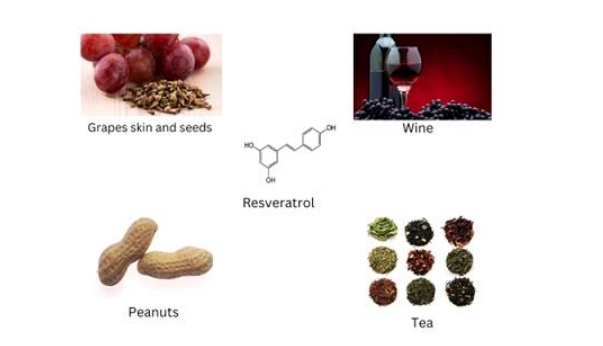
Figure 1: source of resveratrol
FIGURE 2
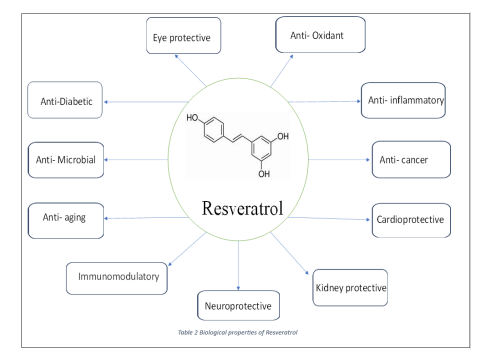
Figure 2: Biological properties of Resveratrol
Tables at a glance
Figures at a glance