
A Review on Manufacturing and Technology Advancement in Gummies
Received Date: December 24, 2023 Accepted Date: January 24, 2024 Published Date: January 27, 2024
doi: 10.17303/jmph.2024.3.102
Citation: Shashikant B. Bagade, Krisha Patel, Vanshita Hardiya, Akshita Rana, Nishi Mohile (2024) A Review on Manufacturing and Technology Advancement in Gummies J Med Plant Herbs 3: 1-15
Abstract
Whether it's a popular new product or a novel innovation, everyone is searching for the next great thing in confections. One could argue that gummies are the next big thing, with projected retail sales of $5 billion by 2022 and growth of 3 to 4 per cent yearly. Innovation is required to keep up with the gummi industry's growth and meet consumer demand. Thankfully, the gummi's adaptability promotes the development of new formulation and production techniques. This section goes over what gummi is, gummi recipes, the different kinds of cookers that are used, starch-less depositing, reducing the amount of gelatin, making reduced-sugar and vegan gummies, and, finally, ways to lower the cost of producing gummies.
Keywords: Gummies; Vegan Gummies; Cardiovascular Diseases; Cardiac Problems; Expert Market Research
Introduction
It is projected that the global gummy market, valued at USD 16.28 billion in 2020, will develop at a compound annual growth rate (Compound annual growth rate) (CAGR) of 12.6% between 2020 and 2028. The market is increasing rapidly because more and more people are becoming health-conscious and prefer convenient dose forms of supplements. The rapid pace of social and technological change has led to unhealthy and stressful lives, which has increased the prevalence of cardiovascular diseases (CVDs) and cardiac problems. The aspiration and apparent capacity to live longer and healthier lives have a significant impact on preventive health practices. Gummies have a gel-like consistency and are simpler to chew than hard pills and tablets. The product is available in a variety of tastes as well. Global product demand is rising due to all of these factors, which are also encouraging market expansion (Gummy Market Size 2022) [1].
One of the largest vegan food marketplaces in the Asia Pacific area is the Indian market, per a report by Expert Market Research. The rise of the vegan food market in India is being aided by the global market, which is expected to reach a valuation of USD 15.4 billion in 2020. From 2022 to 2027, the vegan food market is expected to grow at a compound annual growth rate (CAGR) of 26%. Most people agree that supplements created without using any animals are safer and healthier than those made with. Furthermore, ethical issues around the use of animal components are opening doors for expansion [1].
Sugary confections are being consumed in greater quantities, which may pose a risk to public health. Items that may be detrimental to human health include food additives, sugar, and glucose syrup provided at a high level (over 50%) (Garcia 2000). According to Garcia (2000), the confectionery category which comprises hard and soft candies, nougat, and gummies makes up around half of the market [1].
Gummies and jellies may be healthier if sugar is reduced or even replaced with other sweetening items like honey [2]. For example, rats fed honey exhibited considerably less anxiety than rats fed sucrose, according to research by Jacques et al. [3]. However, cutting back on sugar usually increases moisture content, which raises the possibility of microbiological hazards. This is unlikely to occur in the case of gummies and jellies since the lowering of sugar levels does not alter the water content to a degree that would encourage the growth of microorganisms. However, any modifications to product compositions should be assessed in compliance with HACCP guidelines to safeguard consumer health [4].
When making jellies, natural orange, strawberry, and other red fruit juices or purees, as well as fruit by-products, have been explored [5,6]. These can provide healthier formulations with antioxidant qualities in addition to enhancing the organoleptic (colour, flavour, and texture) qualities of candies and jellies [7]. According to recent research, adding anthocyanin extracts to gelatin and pectin gels can have additional positive health impacts for people who consume the products in moderation, in addition to serving as a substitute for artificial colourants [8,9].
Standard Gummy FormulationA gummi is a rubbery-textured gelatin dessert created with flavour, acid, bulk sweeteners, and colours. In addition to stabilizing the product, the distinctive texture of gummies sets them apart from other chewy candies like liquorice or spearmint leaves. This texture is attributed to the gelatin [10].
Collagen is the source of gelatin, a gelling agent. Generally speaking, a gummi has 6 to 8 per cent gelatin, although you can use more or less depending on the texture you want. The ingredients in Gummies are rather simple: sweeteners, stabilizers, flavours, and colours. Nonetheless, several modifications result in a diverse array of profiles and textures [10].
Gelatin comes in two varieties: Type A and Type B. Type A gelatin is utilized in the formulations shown in Figure 1. The term "type" describes the method used to extract gelatin. Type B is an alkali extraction, whereas Type A is an acid extraction. The most common source of Type A gelatin is pork skin, while the most common source of Type B gelatin is bones. The isoelectric point of the two gelatin varieties differs primarily; Type B's is 4.7 to 5.4 and Type A's is 7.0 to 9.0. There is a large variety of bloom or gel strengths for gelatins. More costly gummies typically have firmer gelatin due to a higher bloom number. Gelatin typically has a bloom of 125 to 250, although there are instances of lower and greater blooms. Changing the bloom strength, from a greater to a lesser bloom, is a simple method to cut sugar while maintaining product quality, cost, and texture optimization. If variations in gelatin blooms are of significance, the Figure 2 chart serves as an excellent resource for facilitating a seamless transition in formulation. It's crucial to remember that gelatins with a lower bloom strength tend to result in gummies with a more chewy, elastic texture [10].
Variations in gelatin composition are not the only thing that might cause gummies to have different textures. The amount of corn syrup in a recipe, as well as the corn syrup's dextrose equivalent (de) and associated carbohydrate profile, are additional variables that impact texture. Often, the main component of gummies is corn syrup. Corn syrup serves as an anti-crystallizer and provides the gummi body. These anti-crystallizing qualities extend the shelf life of the product in addition to preventing crystallization. Higher de-syrups provide sweetness, reduce viscosity, and extend shelf life, whereas lower de-syrups typically give a gummi body and strength [10].
The quantity of reducing sugars (dextrose/glucose) in the product is known as its "dextrose equivalent," and when corn syrup is thinner, the cooked sugar slurry becomes less sticky and simpler to deposit. In addition to being sweeter than lower de, higher de also somewhat increases the final product's stability. These alterations are accompanied by a shift in texture. A product with a higher de corn syrup content will be less chewy and softer than one with a lower de corn syrup content [10].
It is possible to alter the carbohydrate profile in addition to d e. Compared to regular 42 per cent corn syrup, high-malose corn syrup (65% maltose) has more sweetness, reduced viscosity, and superior humectant properties. A high-maltose corn syrup will yield a sweeter, more stable product and be simpler to deposit, much like the higher d e corn syrup. Using high-maltose corn syrup also makes the finished product less sticky [10].
There are other syrup alternatives available for gummies besides corn syrups. You can also use tapioca syrup and rice syrup. The de and carbohydrate profiles of the rice and tapioca syrups affect the gummi's texture, much like they do with corn syrup. The fact that these syrups are natural, organic, and GMO-free is becoming more and more important to today's consumers [10].
Gummi Cooking MethodsTraditionally, gummies are prepared in coil cookers, which circulate a pre-dissolved slurry through stainless steel coils that are indirectly heated by steam. After the slurry is heated to the proper solids, moisture is removed by passing it through a vacuum aid. The slurry is heated, and then flavours and colours are added before being sent to the depositor. This cooking technique is well-known and essentially error-free until the operator rushes and scorches the product inside the coil. This may lead to undercooked syrups, product deposits at the incorrect solids, and a mess that needs to be cleaned up for engineering or maintenance.
Jet cookers are becoming a competitive alternative to coil cookers, which are still a very popular way to cook gummies. Starch-based goods are frequently cooked in jet cookers. These cookers are a very simple and simplest way to cook. Additionally, because of their tremendous efficiency, they are very inexpensive. Jet cookers swiftly cook slurries by using direct, high-pressure, extremely hot, food-- grade steam. Together, the steam's sensible and latent heat accelerate the cooking process. After being heated, the slurry is poured into a flash chamber, where other components like acid, colour, and flavour are added as it cools. In starch cooking, especially when using high-amylose starch, this rapid, high-heat heating is crucial [10].
Jet cookers were not traditionally considered the preferred way for cooking gummies since gelatin does not require such high temperatures and heat to activate. But today, gelatin gummies are being prepared in jet cookers through retrofitting. Product manufacturers who use jet cookers for gummies are benefiting from the steam's capacity to cook food quickly. Another advantage of the jet cooker is that it uses less water in the initial syrup slurry because the steam is direct. Unlike coil cookers, which use indirect steam to heat the coils that contain the slurry, jet cookers have the problem of requiring food-grade steam because it is in direct contact with the product [10].
Degradation of the gelatin must be prevented in any cooking procedure. This happens when the gelatin is overcooked or kept at a high temperature for an extended amount of time. Because of this deterioration, the gel becomes less hard and loses structure due to a decrease in bloom strength [10].
Depositing MethodsAny production process's ultimate purpose is to maximize manufacturing efficiency. Maximum gummi depositing efficiency requires output rates of more than 2,000 pounds per hour. The slurry is "stoved," or dried, to the final solid state after being placed at a lower, less stringy solid level into dry moulding starch to operate at such high efficiency. A refractometer will be used to measure the final solids, which should be between 78 and 82 per cent after the syrup is dried to a deposit of around 75 to 77 per cent. Excess moisture can be wicked out of the pieces and into the atmosphere thanks to the molding starch. moguls, a term for depositing lines—are very big production lines that need a significant amount of room to operate as efficiently as possible. Furthermore, moguls might cost as much as $10–$12 million and need between 500,000 and 1,000,000 pounds of dry moulding starch [10].
Starchless SystemsStarchless moulding is an alternate technique for gummi depositing. It involves depositing gummi into silicon/metal moulds or thermoformed plastic trays, which are typically oiled with a release agent to enhance release after setting. Faster set times, less capital investment, less need to mould starch, and a lower danger of product cross-contamination are benefits of starchless depositing. In light of current notifications on food safety and traceability, starch contamination is growing in importance. In connection with this, gummies have developed into an excellent vehicle for the delivery of vitamins and pharmaceuticals, which emphasizes the importance of preventing contamination. When tailings or product residue are left in the starch, contamination occurs. Cross-contamination can lead to concerns with allergens or active ingredients [10].
Using plastic or rubber mould inserts in the starch boards and doing away with starch moulding has allowed for a fair amount of success in adapting moguls to operate without starch. The formulations utilized typically a combination of gelatin and pectin, pectin, or another stabilizer and the requirement for a mould release agent to help the product come out of the moulds once it has set determines how successful the process is. As an alternative, specialized systems that use silicon, plastic, or metal moulds similarly can be used; these systems are typically much smaller in design than a typical starch-based system and include a mould, depositor, cooling or setting chamber, mould, and de-moulding section; some of these systems even can run book moulds, which are costly but enable the creation of three-dimensional pieces.
While there are starchless deposits that resemble book moulds in use, none of them is yet able to produce gummies with the rubbery texture that comes with starch moulding. Despite the gelatin in the recipe, these deposits are instead yielding a more jelly-like texture in their result.
Specialized European gelatin for starchless moulding was tested at 11% and compared to a 6.5 per cent starch-moulded control piece to create a gummi that was starch-moulded equivalent to a starch-moulded product. The texture of the starch-free product was comparable to the starch-molded portion, but it was less elastic and harder to chew through despite having nearly twice as much gelatin. Furthermore, the taste was not as intense, and to be honest, even when they are fresh, starchless portions can taste a touch stale. Texture can be adjusted by adding pectin or adjusting the amount of gelatin; nonetheless, it could require a lot of time and resources to obtain a texture that is exactly like a gummi made in a starch mogul [10].
Formula AdvancementsAlthough different amounts of gelatin are commonly used to make gummies, there are certain disadvantages to using it, including expense, thermos-reversibility, and dietary restrictions (such as vegan, kosher, and halal). Nevertheless, combinations of stabilizers—some with and without gelatin are still being tested and employed for financial savings, albeit with varying degrees of success [10].
It's not new that starches can be used to make gummies; in fact, several businesses are already using them to cut costs. The purpose of adding starches to gummies is to lower the price and increase stability without sacrificing the product's natural gummi qualities. This reasoning is based on the notion that the starch addition will aid in the piece's gelling, and the smaller amount of gelatin will subsequently contribute to its rubbery texture. This helps to a certain amount, but problems with cloudiness, taste masking, and loss of certain textural quality are common. Furthermore, it's concerning that some of these starches need to be fully activated, which calls for the usage of a jet cooker.
Even though starches are widely utilized and recognized today, their ability to degrade product quality still limits their acceptability. The majority of thin-boiling starch variants result in a piece that seems hazy, as the comparison in Figure 8 illustrates. One of the most popular modified starches in chewy treats is thin-boiling starch. Because of its decreased viscosity at high temperatures, this hydrolyzed starch is perfect for effective deposition in a manufacturing environment. However additional starch modifications, such as cross-linking and heat treatment, are required to replicate the texture of gelatin. While many of these starches require the high heat and shear of a jet cooker for gelatinization, some modifications to starch perform a better job at producing a rubbery, gelatinous texture [10].
Despite all of these changes, the product still has the relative stickiness of starch, its impact on the pure gelatin's clean bite or chew, and its taste mask (certain starches, even when designated as flavourless, nevertheless leave starchy undertones). Because of these drawbacks, it has been challenging to lower the cost of gummies by using conventional corn-based starches, as the end product frequently changes in texture, appearance, flavour, and quality.
Research on substitutes for or extensions of gelatin, such as carrageenans or other speciality starches, is also ongoing. High-methoxyl pectin is commonly added to gummies to address stability concerns, but once more, this addition is usually seen as changing the final chewiness and texture of the product. Additionally, pectin is a more expensive substitute in terms of price.
Utilizing modified potato starches has been proven to have substantial value and benefits in recent studies. Potato starch has similar benefits to modified starches derived from corn, such as neutral taste, stability, and no need for additional cooking. It also offers a superior gelatinous texture that is chewable, bite-sized, and malleable. For many years, gelatin extenders and substitutes have been the subject of testing; recently, one was found to merit further investigation. This is a Danish potato starch that has been modified. It has been confirmed that combining this modified potato starch with a mixture of gelatin will result in a high-quality gummy that can be cooked in any kind of cooker. It can also be prepared using an open pan method [10].
Formulation TechniquesVarious fruit combinations (apple, orange, strawberry, and mixed berries) were tested in this study along with other ingredients to create some recipes. However, following initial screening, some of the formulations were deemed unsatisfactory in terms of texture, appearance, consistency, or taste (basic qualitative evaluation made only by the developers) [1].
Two varieties of gummy jellies were used in the experiments, and the thickening agents were pork gelatin (ROYAL, Portugal) and agar (NATALI Biologique). The gum preparation process is depicted in Figure 1 and can be summed up as follows: Slow dissolution of thickeners occurred in heated liquids. The mixture was left in a water bath at a temperature of between 70 and 75 degrees Celsius for an extended period, allowing the ingredients to dissolve completely. Following full homogenization, the mixture was poured into heart-shaped tray moulds, producing around 5g of gums. Before cooling to a temperature that balanced with the kitchen, these trays were left at room temperature for roughly thirty minutes. They were then kept in a refrigerator at +4°C for a whole day. They were taken out of the moulds after a day and placed in a covered container that was refrigerated for additional examination. After a week, no overall changes in appearance have been seen [4].
Reduced-sugar GummiesSugar-free gummies are another popular trend in gummi formulation. These recipes have included reduced-- sugar basic recipes, sugar-free recipes made with polyols, and most recently, no-sugar/no-polyol gummies. With their sugar-free and polyol-free gummies, a few firms have made a significant sensation in the market, and it's feasible that more will follow suit in the future. The development of durable starches, fibres, and gums (bulking agents) has made it possible to formulate and manufacture these kinds of materials. However, the formulation is challenging because, similar to starch, not all fibre is created equal. These useful fibres come from chicory roots, tapioca, and corn, among other plants. While some are offered in liquid form, others are in powdered form. Different fibres have different uses; some work well for candies like gummies or other hard sweets or chews, while other types work better for things like granola bars or drinks [10].
Vegan GummiesVegan substitutes for candies are yet another area of growing attention. Are vegan gummies possible given the developments in starches and fibres? Both yes and no. It is feasible to make vegan products, however, depending on how they feel, they can be mistaken for liquorice rather than gummies since starch replaces all of the gelatin, which takes away part of the texture and bounce that makes a product unique. Several of these starches were subjected to vegan substitute testing, and one of them turned out to be comparable to a piece of gelatin. This starch is an additional type of modified potato starch from Denmark. While it's not quite a German-style gummi, this vegan product is still of excellent quality. The texture is considerably more gelatinous than some of the other vegan gummies that are now being made with pectin or cornstarch, making this one a better product overall, in the opinion of many.
Vegan gelatin is another alternative that isn't accessible right now, but it might be sooner rather than later. A business based in the San Francisco Bay area has successfully created vegan gelatin that is devoid of fish, cow, and pig hides, hooves, and bones. This company uses animal protein and collagen sequences to sequence DNA, which is then converted into gelatin by these bacteria. The corporation decided to use the d n a sequence of a mastodon, a prehistoric ancestor of the elephant, to demonstrate that no animals were injured in the process. Although they were successful in producing gelatin, it was not on par with the animal-based product that is currently on the market. The company is still searching for the right sequencing that will yield stiff gelatin that is both FDA-approved and generally recognized as safe (g r an s) and similar in texture to the present animal-sourced varieties. The FDA closely monitors the practice of mimicking nature, which is cause for serious concern; still, a DNA sequence.
If authorized, the bacterium wouldn't be the first to be genetically altered. Success with modified oils and proteins has been comparable [10].
Gummy candies production with a natural sugar sourceMolasses is a naturally occurring, healthful product that is often manufactured from sugar-rich fruits like grape, mulberry, and carob by heating their juices to 70–80 soluble dry matter content to increase shelf life, without adding any additional ingredients [11]. Its high sugar content, which is primarily made up of monosaccharides like glucose and fructose that readily enter the bloodstream without digestion, is linked to its healthful qualities in human nutrition, in addition to minerals, organic acids, and bioactive compounds [12]. In Turkey and Iran, molasses is a typical breakfast food, either eaten by itself or combined with tahini [13,14]. Numerous studies on enrichment have demonstrated that adding molasses to formulations of different dairy (yoghurt, ice cream), bakery (cake), confectionery, and meat products can improve their nutritional quality, increase their antioxidant potential, and improve their mineral pattern without adversely affecting their palatability and acceptance [15-18]. This study is the first to attempt using grape, mulberry, and carob molasses in gummy candy as a high-sugar system. Both adults and children consume large quantities of candy items [19].
The main ingredients used in the making of gummy candy are sucrose, glucose syrup, water, gelling agent (a combination of gelatin, starch, and pectin), and small amounts of food acids, flavourings, and colourings [20]. International health experts believe that candy's high glycemic index and high-calorie content contributed to the rise in everyday candy consumption and related health issues such as obesity, dental decay, and hyperglycemia [5,21]. As a result,the food industry and health-conscious consumers are always looking for sugar-free substitutes that may be used in candy production without sacrificing the product's texture, volume, taste, shelf life, or processability [22]. In addition to being a sweetener, sugar also affects how water and hydrocolloids behave during the sol-gel transition, increases brix, and causes caramelization and/or the Maillard process. The solubility (i), sweetness (ii), interaction with the gelling agent (iii), and effect on the structure (iv) of new materials with the balance with other components are the primary issues in the sugar replacement research for the manufacturing of gummy candy [21,23].
In agar-based fruit jellies, oligofructose and polydextrose syrup, sucralose, and erythritol were partially or completely substituted with sucrose and glucose syrup, and similar outcomes were seen across samples [22]. In a different study, the appropriate jam-like texture was achieved by replacing sugar with 25% stevioside and sucralose in mangos [24]. According to [5], the manufacture of healthier candies using honey instead of sugar was also examined to demonstrate the impact of hot and cold mixing strategies. Although mixing methods did not affect the texture parameters of the gels, they found that 55 C was the ideal temperature to protect the diastase activity in the honey-based gummy candies, which had a high level of sensory acceptability
However, using molasses directly in the production of gummy candy presents a collective solution to the problems of sugar and its alternatives. Molasses include naturally soluted forms of glucose, fructose, and sucrose with varied ratios which led to the processability of the gummy candy mixture without the need for high temperature. The adjustment problem of total soluble solids in these products is the main constraint for satisfactory product development. Therefore, dietary fibre addition as a bulking agent was considered to be a new and widespread approach to resolving this problem [21]. These molasses sugar profiles influence the gelation and crystallization behaviour of the candy structure in addition to intensifying the sweetness of the candy.
Additionally, Maillard products, Strecker decomposition products, and compounds created by caramelization reactions are the sources of molasses' distinct flavour and dark colour [14]. Molasses offers a chance to create functional confectionery products, which frequently have a high glucose syrup/sucrose ratio due to its many sugar types and bioactive components [20,25]. Therefore, the purpose of this study was to ascertain how grape, mulberry, and carob molasses affected the texture formation and gelation properties, which are essential for exposing the gummy candies' physical and sensory qualities.
Production of molasses-based gummy candiesFor the manufacturing of candies, a slightly modified version of Mutlu et al.'s (2018) methodology was used [5]. 50 mL of room temperature distilled water was added to a beaker containing 5.0, 7.5, and 10.0 g/100g gelatin dosages of the entire formulation (gelatin dissolution water and molasses weight). To allow the gelatin to take water into its structure and swell, five minutes were given. Parafilm-sealed beakers with expanded gelatin were placed in the water bath at 70 C for 30 minutes. After adding 0.1 g/100 g of potassium sorbate, the solubilized gelatin solutions were cooled by swirling in a magnetic stirrer at 50–55 C for one to two minutes. For an additional two to three minutes, the room-temperature molasses was combined with a gelatin mixture. Pour into silicone moulds, the mixes at 36–38 C are stored at 4 C for 24 hours. After that, the samples were taken out of the moulds and allowed to sit for two days in a desiccator filled with saturated potassium carbonate solution. Samples of the candies made with molasses were removed from the desiccator and kept in plastic boxes at 4 C
Development and characterisation of healthy gummy jellies containing natural fruitsBoth adults and children consume a lot of candy products. 86.8% of 6- to 8-year-olds in Portugal eat these goods at least three times a week . Because they are chewy and natural, jelly beans and gummies are especially well-- liked by younger people [26]. These goods have a structure that resembles gel and contain fruits (at least 45 g/100 g) and sugars (in the form of glucose or sucrose syrup, at around 55 g/100 g) together with food colouring, fragrances, and gelling ingredients [5,27]. However, because jellies and gummies contain a lot of sugar and food additives, along with undesirable compounds like acrylamide or hydroxymethyl-2-furaldehyde that are produced during the heat treatment process, excessive and widespread consumption of these confections is believed to hurt public health. A significant prevalence of obesity, dental decay, and hyperglycemia has been linked to these goods [28,29]. In response to customer demands for better formulations, companies are under increasing pressure to reduce sugar in these goods, and their low nutritional benefits have also been questioned. Gummies and jellies may be healthier if sugar is reduced or even replaced with other sweetening items like honey [2]. For example, rats fed honey exhibited considerably less anxiety than rats fed sucrose, according to research by Jacques et al. [3]. However, cutting back on sugar usually increases moisture content, which raises the possibility of microbiological hazards. This is unlikely to occur in the case of gummies and jellies since the lowering of sugar levels does not alter the water content to a degree that would encourage the growth of microorganisms. However, any modifications to product formulas should be assessed using the HACCP principles to safeguard consumer health.
To make jellies, natural orange, strawberry, and other red fruit juices or purees, as well as fruit by-products, have been studied [5,6]. These can provide healthier formulations with antioxidant capabilities in addition to enhancing the organoleptic (colour, flavour, and texture) qualities of candies and jellies [7]. According to recent research, adding anthocyanin extracts to gelatin and pectin gels can have positive health consequences for people who consume the products in moderation, in addition to serving as an alternative to synthetic colourants [8,9].
Our research team created several substitute formulations in response to consumer demand for jellies or gummies that retain their typical tactile qualities while offering enhanced nutritional benefits. Guiné et al. [30] conducted a previous study wherein they experimented with various combinations based on fruits and herbs to incorporate both natural colourants for colour and flavour. The compositions included berry fruits with high concentrations of anthocyanins and other phenolic compounds with antioxidant activity, such as blueberries, raspberries, and strawberries [31,32]. Additionally, the natural taste enhancers anise and mint, which were also included in these formulations, include advantageous elements with biological activity [33].
In light of this, the purpose of this study is to create tasty and nutritious gummy jellies made entirely of natural components like orange juice and red fruit puree, free of artificial sweeteners or food additives. This is a first step towards solving the issue. To illustrate the health benefits of these gummy jellies while retaining the majority of their desirable organoleptic properties, we have also evaluated them in terms of colour, texture, antioxidant activity, microbiologic safety, nutritional composition, and sensorial evaluation at this stage. Furthermore, a comparison was made between the nutritional value of the homemade gummy jellies and commercial formulations.
Natural Colors and FlavorsAll food product categories are starting to eliminate artificial additives these days, and gummies are no exception. Industry discussion on natural ingredients, especially colours, has been rather extensive. To clarify, several natural hues are sensitive to pH and heat. The final product's pH has the potential to impact both the colour and stability over time. Regarding colour use issues, colour providers should be engaged as they possess extensive knowledge in this area [10].
Sustainable performance of cold-set gelation in confectionery manufacturing and its effects on the perception of sensory quality of jelly candiesIn the candy industry, jellies and gummies are a well-liked and rapidly expanding category of confections [34]. They consist of a wide range of goods made from a blend of sugar syrups and hydrocolloids, or gelling agents, including pectin, starch, and gelatin [35]. Depending on the hydrocolloid utilized and the final moisture content of the confection, their technological and organoleptic properties change [36]. Confectionery launches with labels touting sustainability, fortified formulation, healthfulness, and usefulness have recently invigorated the candy market [37,49]. The need for more mindful, practical, wholesome, and natural food options has surged due to consumers' growing interest in maintaining a sufficient diet [37]. Gummies and jellies containing fruit ingredients are an excellent way for the confectionery industry to capitalize on promises of naturalness and healthfulness. Fruit jelly candies are distinguished by their superior sensory quality, reduced sugar level, and lack of artificial flavourings and colouring [38].
Regarding sustainability claims, the candy industry has placed a lot of emphasis on environmentally friendly production techniques like "fair trade," organic, and other processes that try to lower energy use and waste emissions for the environment throughout the whole food processing and packaging chain [37]. Labels for claimed launches must adhere to technical specifications and existing laws. Food labelling regulations must be adhered to by formulations using natural ingredients and enhanced nutritional composition [39]. To adopt environmental labelling on their products, companies must incorporate environmental audits or get third-party certification [40]. The packaging for International Standards Organization (ISO) certification is frequently sought in this context [41].
The most prevalent sustainable labels in the world are those that are self-declared to be environmental. They are based on self-declarations by manufacturers or merchants and provide a low-cost, easily applicable way to display environmental information for consumers [41]. Various types of environmental labels, such as energy labels, carbon labels, green stickers, eco-labels, and product labels, are available.
Due to their potential to reduce carbon emissions and be more energy-efficient, a growing percentage of consumers are willing to pay extra for green products [42]. The scientific literature has thoroughly examined and documented novel technologies and approaches that seek to improve the environmental management of the confectionery production sector. The use of cold-set gelation technology in the production of jelly sweets is notable among the recently appointed alternatives [43].
The process of creating gels by mixing particular hydrocolloids in particular ways without heating them is known as "cold-set gelation." This method shows promise for industrial processing of low-temperature stable products [44]. Two gelling substances that have a particular ability to cause cold-set gelation are sodium alginate and high methoxylation pectin. These hydrocolloids can form cohesive nets at room temperature when combined with a medium that has a pH of 3.4–3.8 [45].
Because of its low processing temperatures, which allow the preservation of thermosensitive compounds in fruit ingredients and produce fruit candies with higher nutritional value [43], as well as its promising lower energy requirement, recent studies have suggested that the sodium alginate/high methoxylation pectin cold-set gelation could be a sustainable technology that could replace the traditional jelly candy manufacturing process.
While the process of making jellies and gummies varies slightly depending on the gelling agent used, all conventional manufacturing processes generally involve the following steps: (i) mixing ingredients to dissolve all sweeteners and solubilize hydrocolloid; (ii) cooking to reduce water content and induce gelation); (iii) cooling the syrup and adding food additives (colours, flavours, and acids); (iv) dosing the syrup in dried starch powder moulds in starch mogul systems; (v) Curing or stoving (drying the moulded candies in curing rooms to remove excess moisture, cool, and solidify the candies); (vi) finishing (coating the candies with oil or sugar coating) [36].
The cooking stage can be carried out using various machinery systems, including coil cooking, swept surface heat exchangers, vacuum cooking, and batch kettle cooking [36]. A group states that, in addition to cool rooms, cooling towers, and conveying systems, the most energy-intensive processes in confectionery production lines are cooking systems and hot water and boiler systems, which supply energy for the cooking equipment [36].
Too many nations rely on fossil fuels (coal, oil, natural gas, and secondary fuels) to run their boiler and hot water systems, which has negative environmental effects like a large carbon footprint [47]. The amount of fossil fuels burned varies depending on the nation's consumption, but roughly 37% of the world's CO2 emissions are thought to come from them [48]. With about 294 GWh of primary energy consumed and 60,000 t CO2 emissions annually, the industrial production of jellies and gummies accounts for almost 25% of the energy consumption of the entire confectionery industry [49].
The cold-set gelation technique stands out as a substitute for the cooking process in the creation of jelly sweets since it aims to reduce energy requirements and environmental emissions. When alginate/pectin cold-set gelation is used in conjunction with component mixing, direct syrup dosing in dry starch moulds, curing or stoving, and finishing, sweet-gelled structures can be produced without the need for heating, as stated by Avelar & Efraim. In cold-setting manufacture, electric-moved mixing equipment takes the role of the normal cooking step's machinery, and heat generation systems are not needed. This lowers the candy manufacturing line's energy consumption and environmental emissions.
Only laboratory-scale evaluations of cold-set processing have been conducted in published studies yet [43]. However, a higher-scale analysis of its sustainability potential is still required to obtain a more accurate assessment of the environmental effects on industrial lines.
It is also necessary to assess the impact of this new technology on sensory consumer acceptability and the potential for environmental claims to be made about the produced items. These data can be a valuable source for guiding the industrial confectionery industry, as studies about consumer behaviour and the sensory perception of environmentally marked candies are not widely available in the literature.
In this context, the study's objectives were to assess the high methoxylation/sodium alginate cold-set gelation technique's sustainable performance as a tool for processing jelly candy in comparison to the conventional manufacturing process in transposed processing scale lines and confirm the effect of sustainable claims on the produced candy's label on its sensory acceptability
Improvement of Vitamin C Stability in Vitamin Gummies by Encapsulation in Casein GelChewable gels also referred to as gummies that contain vitamins have become more and more popular in recent years because they are easy to swallow, have a pleasing look, and have delicious flavours, especially for kids and older persons. By 2025, the chewable gummy market in the US is expected to grow to $4.17 billion. Water-soluble vitamin C promotes healthy growth and improves the absorption of iron. The recommended daily allowances (RDAs) for vitamin C are 45–75 mg for children and teenagers (≤18 years old) and 75–90 mg for adults (19 years of age and over). Vitamin C can be added to gummies as a single vitamin or as part of a multivitamin with other vitamins. During food processing and storage, vitamin C is vulnerable to heat, light, humidity, oxygen, and pH variations from its ideal range [50]. To make up for the vitamin C lost during processing and storage, gummy manufacturers typically add excessive amounts of the vitamin during manufacturing, which causes a disparity between the quantity of vitamin C that is labelled and the real amount [51,52]. Consequently, to minimize the excessive amount given to vitamin C supplements during the gummy manufacturing process, it is imperative to enhance vitamin C stability and decrease degradation during processing and storage. Boiling sugars and gelling ingredients to high temperatures (>110°C) is how gummies are made.
The mixture is boiled, flavoured, and coloured, and contains active substances like vitamins. It is then moulded and dried [5]. Under typical storage circumstances (20–25°C, 50–60% relative humidity (RH)), gummy supplements typically have a shelf life of 1-2 years [53]. The main factor affecting the shelf life of gummies is moisture migration, which can be caused by loss or uptake and is influenced by the encapsulant materials and processing techniques used [54]. Depending on the variation in their water activity and the relative humidity of the surrounding air, gummies may absorb or lose moisture [55]. Furthermore, vitamin gummies must retain their purported vitamin potency throughout their shelf life as dietary supplements [56]. As previously stated, vitamin C is susceptible to changes in pH, high temperatures, humidity, light, and oxygen. To guarantee vitamin C stability in gummy supplements, it would be desirable to employ encapsulating materials with high stability against the aforementioned conditions.
Conclusion
The popularity of gummies as a dessert is still rising. They are also still expanding in the supplement industry as a means of distributing active substances. Gummies are a highly versatile food. They can be made to be stretchy, soft, or stiff by varying the concentration and potency of gelatin. Additionally, gummies can be vegan, sugar-free, organic, or natural.
In our investigation, potato starches produced the greatest outcomes, lowering the need for gelatin while preserving product integrity at a lower expense. Better heat stability and the versatility of potato starch to be cooked in any kind of cooker are two other benefits. Potato starch can be used in place of gelatin to create high-quality vegan gummi.
Although gummies are the main topic of this essay, many of the ideas discussed here also apply to other candies. With any luck, this material has helped clarify the current state of gummies and inspire others to work toward developing the next wave of gummies.
- Dey K, Sheth MJFP (2023) Processing, Nutrition. Development of Galactooligosaccharide (GOS) added gummies: sensory, characterization and shelf quality 5: 1-12.
- Rivero R, Archaina D, Sosa N, Leiva G, Baldi Coronel B, Schebor CJJotSoF et al. (2020) Development of healthy gummy jellies containing honey and propolis 100: 1030-7.
- Jacques A, Chaaya N, Beecher K, Ali SA, Belmer A, Bartlett SJN, et al. (2019) The impact of sugar consumption on stress driven, emotional and addictive behaviors 103: 178-99.
- Edite T-L, Rita AA, Beatriz V, Cátia M, Inês C, Pedro P, et al. (2021) Development and characterization of healthy gummy jellies containing natural fruits.
- Mutlu C, Tontul SA, Erbaş MJL (2018) Production of a minimally processed jelly candy for children using honey instead of sugar 93: 499-505.
- Cano‐Lamadrid M, Nowicka P, Hernández F, Carbonell‐Barrachina AA (2018) Agriculture. Phytochemical composition of smoothies combining pomegranate juice (Punica granatum L) and Mediterranean minor crop purées (Ficus carica, Cydonia oblonga, and Ziziphus jujube) 98: 5731-41.
- de Moura SC, Berling CL, Garcia AO, Queiroz MB, Alvim ID, Hubinger MDJFRI (2019) Release of anthocyanins from the hibiscus extract encapsulated by ionic gelation and application of microparticles in jelly candy 121: 542-52.
- Maier T, Schieber A, Kammerer DR, Carle RJFC (2009) Residues of grape (Vitis vinifera L.) seed oil production as a valuable source of phenolic antioxidants 112: 551-9.
- Xie L, Su H, Sun C, Zheng X, Chen WJTiFS (2018) Technology. Recent advances in understanding the anti-obesity activity of anthocyanins and their biosynthesis in microorganisms 72: 13-24.
- Puch N, Bobadilla M, Boutin BJTMC (2019) Advancements in gummies 67-75.
- Akbulut M, Çoklar H, Özen GJFS, International T (2008) Rheological characteristics of Juniperus drupacea fruit juice (pekmez) concentrated by boiling 14: 321-8.
- Karaman S, Kayacier AJL-FS (2011) Technology. Effect of temperature on rheological characteristics of molasses: Modeling of apparent viscosity using Adaptive Neuro–Fuzzy Inference System (ANFIS) 44: 1717-25.
- Akbulut M, Bilgicli NJJoFPE (2010) Effects of different pekmez (fruit molasses) types used as a natural sugar source on the batter rheology and physical properties of cakes 33: 272-86.
- Filipčev B, Mišan A, Šarić B, Šimurina OJIJoFS (2016) Nutrition. Sugar beet molasses as an ingredient to enhance the nutritional and functional properties of gluten-free cookies 67: 249-56.
- Karaca OB, Saydam IB, Güven MJIJoDT (2012) Physicochemical, mineral and sensory properties of set‐type yoghurts produced by addition of grape, mulberry and carob molasses (Pekmez) at different ratios 65: 111-7.
- Sert D, Yilmaz MT, Karakaya M, Bayrak EJJots (2009) Pekmez‐dairy desserts fortified with spray‐dried dairy powders: effects of the interaction between skim milk powder, yoghurt powder and buttermilk powder by a mixture design approach 40: 606-22.
- Soukoulis C, Tzia CJIdj (2018) Grape, raisin and sugarcane molasses as potential partial sucrose substitutes in chocolate ice cream: A feasibility study 76: 18-29.
- Temiz H, YeşilSu AFJCjofs (2010) Effect of pekmez addition on the physical, chemical, and sensory properties of ice cream 28: 538-46.
- Kurt A, Bursa K, Toker OSJFS, International T (2022) Gummy candies production with natural sugar source: Effect of molasses types and gelatin ratios 28: 118-27.
- Burey P, Bhandari B, Rutgers R, Halley P, Torley PJIJoFP (2009) Confectionery gels: A review on formulation, rheological and structural aspects 12: 176-210.
- Altınok E, Palabiyik I, Gunes R, Toker OS, Konar N, Kurultay SJL (2020) Valorisation of grape by-products as a bulking agent in soft candies: Effect of particle size 118: 108776.
- Riedel R, Böhme B, Rohm HJIJoFS (2015) Technology. Development of formulations for reduced‐sugar and sugar‐free agar‐based fruit jellies 50: 1338-44.
- Di Monaco R, Miele NA, Cabisidan EK, Cavella SJCoifs (2018) Strategies to reduce sugars in food 19: 92-7.
- Basu S, Shivhare U, Singh TJJoFE (2013) Effect of substitution of stevioside and sucralose on rheological, spectral, color and microstructural characteristics of mango jam 114: 465-76.
- Edwards WP (2018) The science of sugar confectionery: Royal Society of Chemistry.
- Moloughney SJNW (2011) Functional confectionery: Finding the sweet spot 2011-03.
- Cappa C, Lavelli V, Mariotti MJL-FS (2015) Technology. Fruit candies enriched with grape skin powders: physicochemical properties 62: 569-75.
- Khawaja AH, Qassim S, Hassan NA, Arafa E-SAJD (2019) Research MSC, Reviews. Added sugar: Nutritional knowledge and consumption pattern of a principal driver of obesity and diabetes among undergraduates in UAE 13: 2579-84.
- Rippe JM (2016) Angelopoulos TJJN. Relationship between added sugars consumption and chronic disease risk factors: current understanding 8: 697.
- Guiné R, Correia P, Florença SJJoISPA (2018) Food. Development of Jelly gums with fruits and herbs: colour and sensory evaluation 6: 340-9.
- Dzhanfezova T, Barba-Espín G, Müller R, Joernsgaard B, Hegelund JN, Madsen B, et al. (2020) Anthocyanin profile, antioxidant activity and total phenolic content of a strawberry (Fragaria× ananassa Duch) genetic resource collection 36: 100620.
- Soutinho S, Guiné R, Jordão A, Gonçalves F (2013) editors. Phenolic compounds in red fruits produced in organic farming at maturation stage. WASET–International Conference on Food Processing and Technology.
- PF Guiné R, J Gonçalves FJMrimc (2016) Bioactive compounds in some culinary aromatic herbs and their effects on human health 16: 855-66.
- Board EJEIRIND (2012) India. Hand Book of Confectionery with Formulations.
- Coyle SJMC (2007) Cooking Equipment for Jelly Candies. 87: 36.
- Hartel RW, von Elbe JH, Hofberger R (2018) Confectionery science and technology: Springer.
- de Avelar MHM, de Castilho Queiroz G, Efraim PJCE (2020) Technology. Sustainable performance of coldset gelation in the confectionery manufacturing and its effects on perception of sensory quality of jelly candies 1: 100005.
- Mongia GJTMC (2014) Fruit ingredients in confectionery applications 94: 73-82.
- Food U (2013) Guidance for Industry: Food Labeling Guide.
- Castka P, Corbett CJJF (2015) Trends® in Technology I, Management O. Management systems standards: Diffusion, impact and governance of ISO 9000, ISO 14000, and other management standards 7: 161-379.
- Ertz M, François J, Durif FJJoICM (2017) How consumers react to environmental information: An experimental study 29: 162-78.
- Kaenzig J, Wüstenhagen RJJoIE (2010) The effect of life cycle cost information on consumer investment decisions regarding eco‐innovation 14: 121-36.
- de Avelar MHM, Efraim PJL (2020) Alginate/pectin cold-set gelation as a potential sustainable method for jelly candy production 123: 109119.
- Bolder SG, Hendrickx H, Sagis LM, Van der Linden EJAr (2006) Ca2+-induced cold-set gelation of whey protein isolate fibrils 16: 258-64.
- Walkenström P, Kidman S, Hermansson A-M, Rasmussen PB, Hoegh LJFh (2003) Microstructure and rheological behaviour of alginate/pectin mixed gels 17: 593-603.
- Miah JH (2018) From Factory to Supply Chain: Reducing Environmental Impacts of Confectionery Manufacturing using Heat Integration and Life Cycle Assessment: University of Surrey (United Kingdom).
- Chala GT, Abd Aziz AR, Hagos FYJE (2018) Natural gas engine technologies: Challenges and energy sustainability issue 11: 2934.
- Davis SJ, Peters GP, Caldeira KJPotNAoS (2011) The supply chain of CO2 emissions 108: 18554-9.
- Wojdalski J, Grochowicz J, Dróżdż B, Bartoszewska K, Zdanowska P, Kupczyk A, et al. (2015) Energy efficiency of a confectionery plant–Case study 146: 182-91.
- Abbas S, Da Wei C, Hayat K, Xiaoming ZJFRI (2012) Ascorbic acid: microencapsulation techniques and trends—a review 28: 343-74.
- Andrews KW, Roseland JM, Gusev PA, Palachuvattil J, Dang PT, Savarala S, et al. (2017) Analytical ingredient content and variability of adult multivitamin/mineral products: national estimates for the Dietary Supplement Ingredient Database 105: 526-39.
- Binns CW, Lee MK, Lee AHJAroph (2018) Problems and prospects: public health regulation of dietary supplements 39: 403-20.
- Yan B, Davachi SM, Ravanfar R, Dadmohammadi Y, Deisenroth TW, Van Pho T, et al. (2021) Improvement of vitamin C stability in vitamin gummies by encapsulation in casein gel 113: 106414.
- Hartel RW, von Elbe JH, Hofberger R, Hartel RW, von Elbe JH, Hofberger RJCs, et al. (2018) Jellies, gummies and licorices 329-59.
- Ergun R, Lietha R, Hartel RWJCrifs (2010) nutrition. Moisture and shelf life in sugar confections 50: 162-92.
- Andrews KW, Gusev PA, McNeal M, Savarala S, Dang PTV, Oh L, et al. (2018) Dietary Supplement Ingredient Database (DSID) and the application of analytically based estimates of ingredient amount to intake calculations 148: 1413S-21S.
FIGURE 1
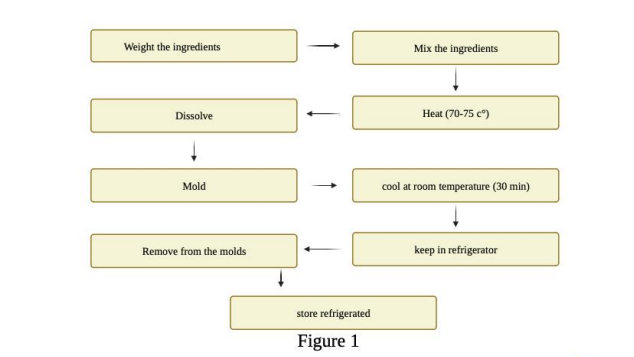
Figure 1:
Figures at a glance