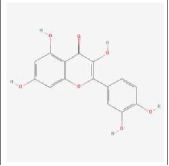
 Quercetin Whole plant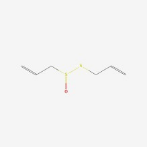
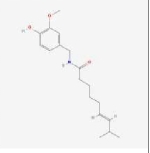
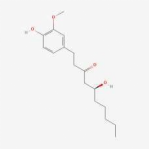
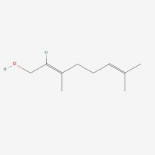
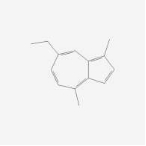
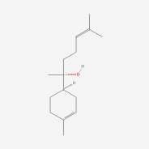
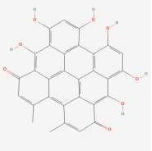
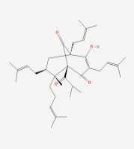
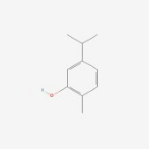
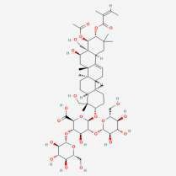
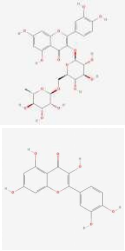
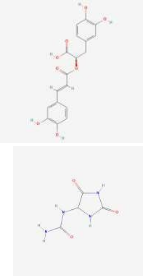
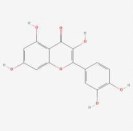
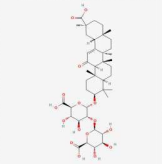
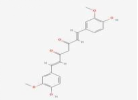
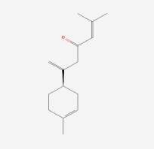
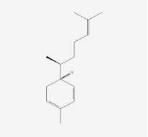
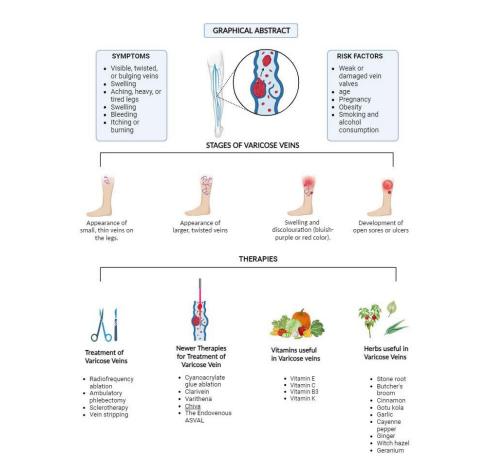
Figure 1:
S.N. |
Plant Name |
Family |
Ingeredient Responsible For Activity |
Structure |
Plant Part Use |
Benefits |
1. |
Stone root |
Lamiaceae |
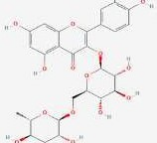
Rutin |
|
Root and rhizome |
Antioxidant and anti- inflammatory |
2. |
Butcher's broom |
L i li ace ae (Ruscus aculeatus) |
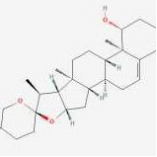
Ruscogenin |
|
leaves and rhizome |
Anti- inflammatory, vasoconstrictor, antihemorrhagi c |
3. |
Cinnamon |
L a urace ae (Cinnamomu m verum) |
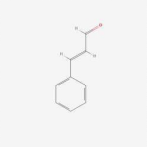
Cinnamaldehyde, cinnamic acid and cinnamate |
|
Inner bark |
Anti-inflammatory, antioxidant, |
4. |
Gotu kola |
Umbelliferae (Centella asiatica) |
|
Antioxidant and anti- inflammatory |
||
5. |
Garlic |
Amaryllidacae (Alliums tivum) |
Allicin |
|
Leaves, flower, and cloves |
Antioxidant and |
6. |
Cayenne pepper |
Solanaceae (Capsicu annum) |
Capsaicin |
|
Seedand fruits |
Antioxidant and |
7. |
Ginger |
Z in g i b erace ae (Zingiber officinale) |
Gingerol |
|
Rhizome, ginger root |
Antioxidant and |
8. |
Witch hazel |
Hamamelidaceae (Hamamelis virginiana) |
Tannins, flavonoids, and other polyphenols |
|
Bark |
Astringent, antioxidant and anti- inflammatory |
9. |
Geraniu m |
Geraniaceae (Pelargonium gra- veolens) |
Geraniol, citronellol, and linalool |
|
Roots |
Antispasmodic, anti- oxidant and anti- inflammatory |
10. |
Oak bark |
Fagaceae (Quercus spp.) |
Tannins, flavonoids, a n d other polyphenols |
|
Bark |
Astringent, anti inflammatory, and antioxidant |
11. |
Yarrow |
Asteraceae (Ach- illea millefolium) |
Chamazulene and bisabolol |
|
Flowers and leaves |
Anti-inflam- matory, |
12. |
Saint John's Wort |
Guttiferae (Hypericum perforatum) |
Hypericin, hyperforin, |
|
Flowering tops |
Anti-inflam- matory |
13. |
C a len - dula |
Asteraceae (Calendula officinalis) |
Flavonoids, triterpenoids, carotenoids, |
|
F l o w e r s priorto ful- ly opens |
antisepti- canti-in- flammato- ry,antiox- idant, and astringent |
14. |
Horse ches nut |
Sapindaceae (Aesculus hippocastanum) |
Aescin |
|
Ripe ches nut and bark |
Anti-inflammatory, anti-edematous,and venotonic properties |
15. |
Agrimoy |
Rosaceae (Agrimonia eupatoria) |
Quercetin and rutin |
|
Aerial parts |
anti-inflammatory, antioxidant, and astringent |
16. |
Slippery elm |
Ulmaceae (Ulmus rubra) |
Plant's mucilage |
|
Inner bark |
Anti-inflammatry |
17. |
Comfrey |
Boraginaceae (Sym- phytum officinale) |
Allantoin, rosmarinic |
|
Root and main rib of leaves |
Anti- inflammatory, astringent |
18. |
Red root |
Rhamnaceae (Ceanothus americanus) |
Quercetin |
|
Root |
Antioxidant that has anti-inflammatory and antiplatelet |
19. |
Licorice |
Fabaceae (Glycyrrhi- za glabra) |
Glycyrrhizin |
|
Roots |
Anticoagulant, anti- inflammatory |
20. |
Turmeric |
Zingiberaceae (Curcuma longa) |
Curcumin, turmerone, atlantone, |
|
Rhizome s |
Anti- inflammatory, anticoagulant and antioxidant |
|
|
|
|
|
|
|
21. |
Hazel |
Betulaceae (Ham melis virginiana) |
Tannins |
|
Fruits |
Anti-inflammatry, antioxidant, astrigent and venoton action |
22. |
Raw potatoes |
Solanaceae (Solanum tuberosum) |
Vitamin, potassium, and fiber |
|
Fruit pulp |
Paste is used on varicose veins legs |
23. |
Raw Grated Apples |
Rosaceae (Malus pumila) |
Vitamins, minerals, |
|
Fruit pulp |
Apple cider vinegar used |
24. |
Brahmi |
Plantaginaceae (Bacopa monnieri) |
Bacosides and sapnins |
|
Leaves and stems |
Neuroprotectiv e andantioxidant, anti- inflammato- ry |
25. |
Pine |
Pinaceae (Pinus) |
Procyanidins and flavonoids, phenolic acids |
|
Bark |
Anti- inflammato- ry, antioxidant |
Table 1: Details of herbs that can be used in the treatment of varicose veins
Figure 1:
Tables at a glance
Figures at a glance